malvernmugadzikwa
Gabriel Manyeruke
IN a visionary move, the Zimbabwe primary and secondary education system has seen cross-cutting themes being seamlessly woven into its updated curriculum, transforming the learning experience for schoolchildren.
Cross-cutting themes transcend individual subjects and disciplines.
They create a cohesive tapestry that prepares learners for the multifaceted challenges of the modern world. The cross-cutting themes are environmental issues, safety and health, disaster risk management, enterprise, sexuality, heritage, climate change, financial literacy, gender and technology.
These serve as vital threads that knit together diverse aspects of life within the educational framework.
It is important for all learners to have an appreciation of these themes that appear in their syllabuses across different subjects in the curriculum.
This write-up looks at the impact of these themes on the current curriculum and provides examples to illustrate their significance.
Zimbabwean schools now prioritise environmental education. This comes amid heightened awareness of climate change and biodiversity loss the world over. Schoolchildren learn not only about the causes and consequences of pollution, degradation and climate change but also how to take appropriate action.
Tree planting initiatives, recycling programmes and environmental clean-up days engage learners in tangible conservation efforts. Learners are encouraged to take action, whether through conservation efforts or advocacy. This way, they become stewards of a greener, sustainable future.
Furthermore, the country faces natural disasters such as tropical cyclones, floods and droughts.
To mitigate the adverse effects of these weather events, schools incorporate disaster risk management in their programmes. Evacuation drills and emergency protocols ensure that schoolchildren respond effectively during crises. The disaster preparedness and crisis response are vital in safeguarding communities.
Safety and health are non-negotiable components of the updated curriculum. Lessons on nutrition, physical fitness and mental health also equip learners with essential life skills.
Enterprise education is one of the cornerstones of the updated curriculum. Entrepreneurship, business planning, financial literacy and understanding of market dynamics in the world of business and trade are paramount for learners. These enable them to have business acumen and thrive in the workforce of a competitive world.
To embrace globalisation trends, the curriculum further emphasises the use of contemporary technology and the need for learners to acquire digital skills, including coding and online safety.
Sexuality education is also thoughtfully integrated into the curriculum.
Schoolchildren are educated on gender roles, stereotypes and discrimination. By challenging primitive societal norms, they become advocates of change pertaining to women’s rights and gender equality. This helps in combating gender-based violence.
Empowering girls and women is central in fostering a fair and inclusive society.
Also, heritage education fosters cultural pride and identity.
Through lessons on traditional music, dance and art, learners connect with their roots. Understanding Zimbabwe’s rich heritage ensures that cultural diversity remains a cherished asset.
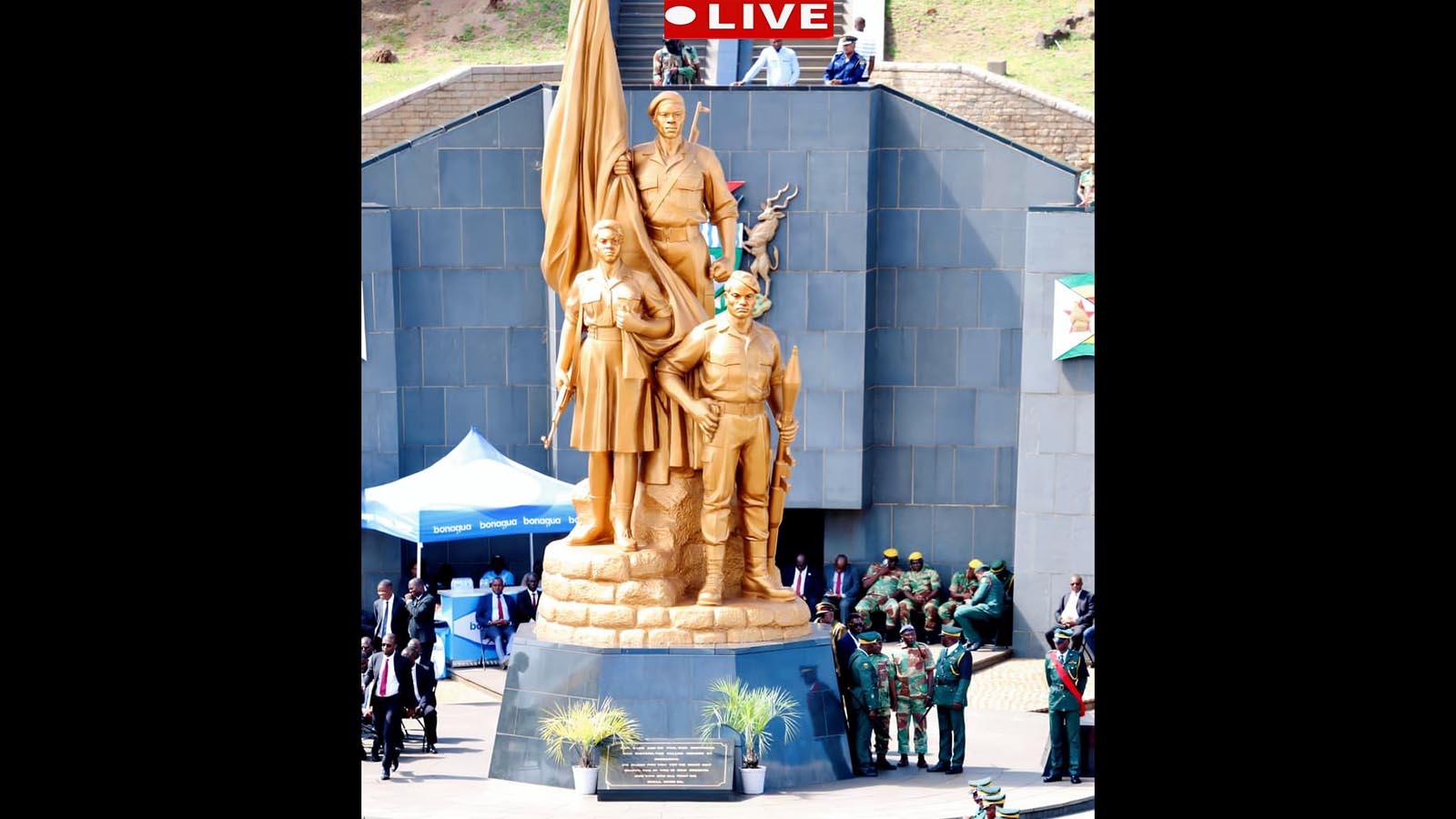
By recounting the nation’s struggle for independence, learners reflect on patriotism and the courage to stand up for what is right, even in adversity.
Zimbabwe’s holistic education transcends textbooks. These themes, interwoven seamlessly, play a crucial role in shaping the attitudes, values and behaviours of learners, as well as preparing them for the challenges and opportunities of the 21st century.
Gabriel Manyeruke is an author and educator at Wise Owl High School in Marondera. Contact details: 0774122288 or [email protected]



 Online Reporter