Online Reporter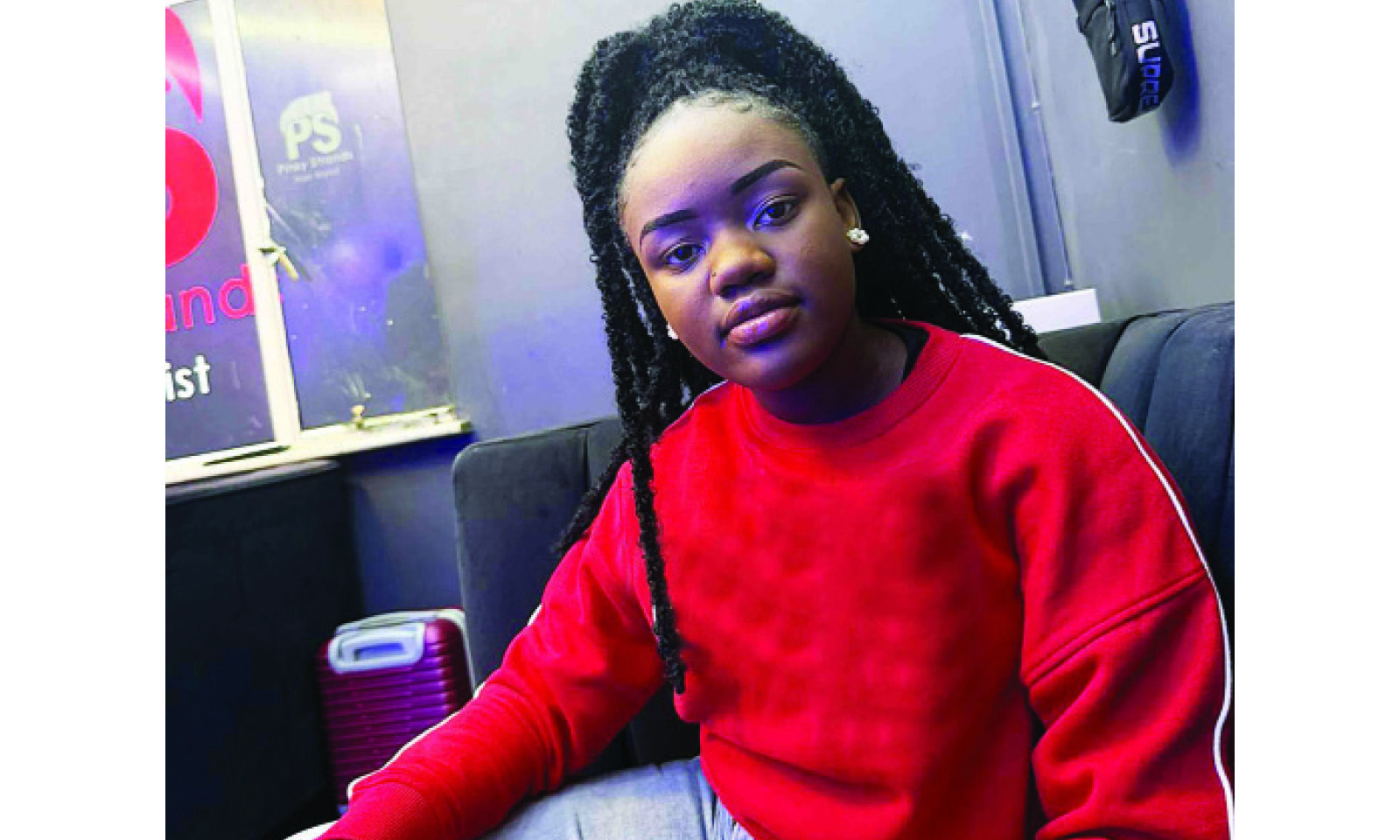
Robson Sharuko
H-Metro Editor
TEENAGE schoolgirl Mikaylah Mushinga has revealed she faced a barrage of queer questions from her new schoolmates in England − did she live in a hut, did she wear real clothes and did she even go to school during her time back home in Zimbabwe?
Remarkably, one of her schoolmates even asked her a bizarre question – do you have water in Zimbabwe?
She ended up providing a sarcastic reply and told them there was no water in Zimbabwe and she used to drink animal milk instead.
One of her schoolmates even asked her if she was a refugee?
Some will dismiss it as schoolyard banter.
But, for Mikaylah, it was much more than that.
It was about race – about being the only black student at an English primary school.
“Yes, being Black in the UK is hard, It’s layered, It’s tiring. But, it’s also powerful,” she says.
“I carry generations with me. A language, a rhythm, a history that goes deeper than anything they’ll ever learn from TikTok.”
Now, the 13-year-old has put all her feelings in a book titled ‘I’m More Than The Black Girl,’ which was unveiled in Harare on Tuesday night.
In May 2022, Mikaylah was just 10.
That was the month and year she arrived in England after her family decided to settle in the UK.
She had just flown on a plane for the first time with her flight taking her from Harare to Doha in Qatar where she connected to Belgium and finally landed in Birmingham.
For the last three years, England has been her home, far away from her real home.
Now, she has become the first Zimbabwean teenager to compress all that she has gone through, in the difficult transformation that has come with the change of location, into a book.
Her book is a bold and fascinating read in which she bravely tackles all the challenges, including racism, which she has faced.
“I have always known that I was Black. Always been okay with it,” she writes in Chapter 4 of her book.
“In Zimbabwe, it was just normal. It wasn’t something that needed defending or explaining – it simply was.
“Everyone looked like me − my friends, my teachers, the shopkeepers, even the people on TV.
“Being black wasn’t political or loud, it was peaceful, background, freedom.
“But, when I started attending school as the only black pupil (at her school) in England, everything changed.
“Here, being black isn’t just who I am – it’s what I am to other people. A label. A burden. Something they notice before they notice me.
“The hardest part was realising that people saw me differently before I even opened my mouth. It wasn’t one big, dramatic moment. It was subtle – a look, a question, a feeling.
“’Where are you from?’
“’I live here,’ I would answer.
“I couldn’t possibly just exist here without some exotic, faraway story attached.”
She added:
“In my first weeks of Year 7, someone even asked if I was a refugee. We were reading a book called Bone Sparrow in class − about a refugee child in a detention centre.
“Maybe, that’s why they asked but it didn’t feel random. It felt like they were placing me in a story they’ve already decided for me instead of letting me tell my own.
“That moment stuck. I didn’t know what to say. Inside, everything tightened confusion, frustration, sadness. I wasn’t a refugee. I was just a girl trying to live her life.
“But, suddenly, my presence wasn’t neutral anymore. It carried assumptions I hadn’t chosen. In Zimbabwe, no one ever asked me that. I never had to explain my identity or prove I belonged.
“I never had to shrink myself to feel safe.
“Here I had to learn that existing, while Black, came with conditions. They would ask questions meant to be ‘funny’ but far from it.
- ‘Do you have water in Zimbabwe?’
- ‘Did you live in a hut?’
- ‘Did you wear real clothes?’
- ‘Did you go to school?’
“The way they asked me, it was a trivia game.”
Mikaylah had a balancing act to deal with.
“Sometimes I’d answer calmly, pretending it didn’t bother me. Other times I’d be sarcastic – ‘No, there was no water, we drank animal milk.’
“Most of the time I’d just stare, wondering how someone could be this clueless and this confident at the same time.
“It was as if my presence made people curious – but not in a kind or respectful way. In a ‘you’re not like us’ way.
“And, no matter how much I smiled, softened my voice, or proved I was smart, there was always something in their eyes that said, ‘you’re not like us.’
“These subtle hints made me realise that I was Black – not just in skin but in how the world treated me.”
She adds:
“Suddenly, I had to be careful because everyone was always watching how the black girl behaved.
“Too loud, and I was aggressive. Too quiet, and I was rude. Too confident, and I was intimidating. Too expressive, and I was ‘too much.’
“There was no right way to exist – just a constant balancing act, trying not to be too Black for their comfort. And, the worst part? I tried.
“I changed my voice, I softened my hair, I avoided speaking Shona in public. I studied how the other girls dressed, acted, even laughed – and copied them.
“Just to blend in, just not to be freshie.
“But, no matter what I did, I was still the African girl with the accent. The Black girl. The one who didn’t know how things worked here.
“That’s when it clicked. I could never truly be one of them. Even when they smiled at me. Even when we sat together. Even when they added me to the group chat. I was still different.”
That’s when she started to find her freedom.
“And, strangely, that realisation was freeing. Because, if I didn’t belong, then I didn’t have to keep trying. There is a heaviness that comes with being Black here – a weight I never carried in Zimbabwe.
“There, my race didn’t define me. My personality did. Here, people see my blackness first and decide everything else from there. But, over time, I stopped trying to erase it.
“Yes, being Black in the UK is hard, It’s layered, It’s tiring. But, it’s also powerful. I carry generations with me. A language, a rhythm, a history that goes deeper than anything they’ll ever learn from TikTok.
“And, no matter how much they stare, question or joke − I know who I am.
“The truth is that we’re not always living here. We’re surviving. We’re resisting. We’re growing. And, somehow, that survival alone feels like a flex.
“So, when I say the first time I realised I was Black, I’m not saying that I didn’t know that my skin was brown. I’m saying I realised, for the first time, that other people would treat me differently because of it.
“And, once I saw it, I could never unsee it.”