Online Reporter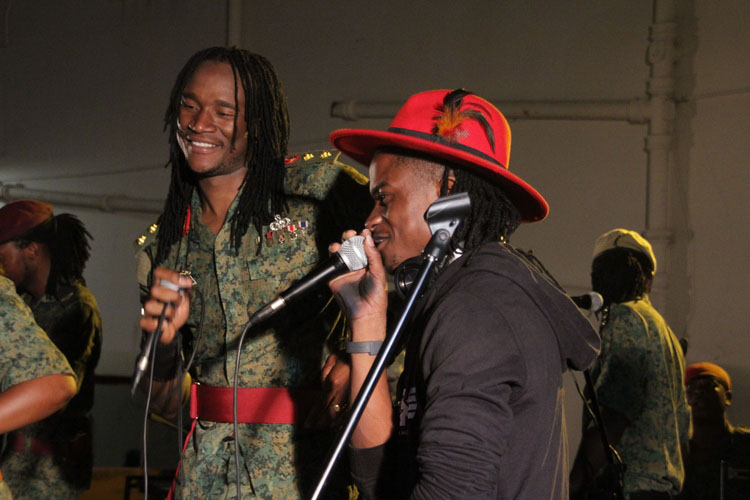
JAH Prayzah’s decision to accept Andy Muridzo’s public apology has been widely welcomed by fans and observers of Zimbabwe’s music industry.
It’s not only because it brought closure to a tense episode, but also because it demonstrated maturity, humility, and leadership at a time when divisions among artists often escalate into long-running feuds.
In an industry where egos, competition, and social media pressure can easily fuel conflict, Jah Prayzah’s response has stood out as a reminder that reconciliation is both possible and powerful.
For many followers of local music, the disagreement between the two artists was disappointing.
Jah Prayzah and Andy Muridzo are both respected figures, each with a distinct style and loyal fan base.
When misunderstandings or perceived disrespect arise between such prominent musicians, the ripple effects go beyond the individuals involved.
Fans take sides, narratives become exaggerated, and the focus shifts away from music to personal drama.
Against this backdrop, Andy Muridzo’s apology was an important step, but it was Jah Prayzah’s willingness to accept it publicly that truly reset the tone.
Accepting an apology is often harder than offering one, especially when pride and public perception are involved. Jah Prayzah could easily have chosen silence or prolonged the issue by responding defensively.
Instead, he chose grace.
By acknowledging the apology and signalling forgiveness, he showed confidence rather than weakness.
This act reinforced the idea that true strength lies in emotional intelligence and self-assurance, not in holding grudges or proving dominance.
The significance of this moment also lies in the example it sets for younger artists.
Zimbabwe’s music industry is growing, with many emerging talents watching how established stars handle conflict.
Jah Prayzah’s approach sends a clear message: disagreements do not have to end careers or relationships, and unity is more beneficial than rivalry.
When senior artists model respectful conflict resolution, they help create an environment where collaboration, mentorship, and mutual respect can thrive.
From a cultural perspective, the acceptance of the apology resonates with values deeply rooted in African societies, where reconciliation and communal harmony are highly regarded.
Forgiveness is often seen as a way of restoring balance, not just between individuals but within the wider community.
By embracing this principle, Jah Prayzah aligned himself with a tradition that prioritises peace over prolonged hostility.
Fans also benefit from this outcome. Music lovers ultimately want to enjoy art without being dragged into unnecessary drama.
The reconciliation allowed supporters of both artists to move forward, celebrate their favourite music, and even imagine the possibility of future collaborations. Such unity strengthens the industry as a whole, creating space for creativity rather than conflict.
In the end, Jah Prayzah’s acceptance of Andy Muridzo’s apology was more than a personal gesture.
It was a statement about leadership, maturity, and the direction the Zimbabwean music industry should take.
It reminded everyone that while disagreements are inevitable, how artists handle them defines their legacy. By choosing forgiveness, Jah Prayzah not only protected his own reputation but also contributed positively to a culture of respect and unity in Zimbabwean music.