daniel chigunwe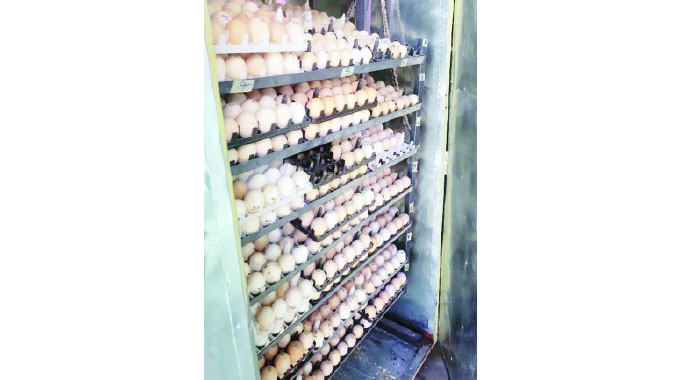
Ivan Zhakata
Herald Correspondent
HARARE Children’s Home continues to receive donations from well-wishers after one of its hostels was razed by fire about a month ago.
The tragic incident left 80 children without shelter and corporates have been extending various donations to the children’s home.
While celebrating World Egg Day recently, Irvine’s donated 2 500 eggs and 100kg of chicken to children and staff members at Harare Children’s Home.
World Egg Day, a global event celebrated on the second Friday of October every year, is a day set aside to raise awareness about the nutritional benefits of eggs and their importance in people’s daily diet.
People worldwide celebrate the power of the egg and all its nutritional and environmental benefits.
This year’s World Egg Day was celebrated under the theme, “Eggs for a healthy future”.
Irvine’s commercial director, Mr Anele Zunga, said in the past years, they used to celebrate the day with their team members, schools and customers.
“This year we saw it fit to celebrate with the disadvantaged and vulnerable children in our communities,” said Mr Zunga.
“In light of this, we are giving away more than 2 500 eggs and 100kg of frozen chicken to children and staff members at Harare Children’s Home as eggs are a source of essential nutrients for children.
“Each child will get at least a dozen eggs to be part of their meal for a healthy today and future in line with this year’s global theme.”
Mr Zungu said this year’s theme emphasises the importance of eggs in people’s daily nutrition and encourages them to include an egg in their daily diet for a healthy future.
Owing to their range of nutrients, eggs are a healthy, nutritious and affordable part of the diet for people at all stages of life, including teenagers, pregnant and lactating women, the elderly, and infants, particularly those in nutritionally vulnerable areas.
Mr Zunga said as one of the country’s leading chicken and poultry products producers in Zimbabwe, Irvine’s mandate is to change the lives of people in Zimbabwe and Africa through producing affordable protein.



 Online Reporter