admin
admin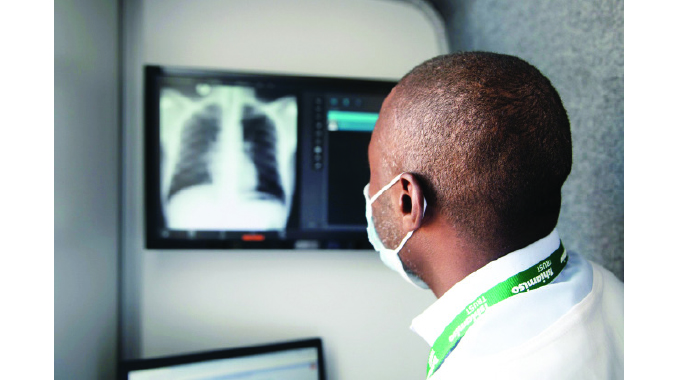
Zvamaida Murwira-Senior Reporter
COMPENSATION of Zimbabweans who contracted respiratory diseases, while working in South African gold mines from the 1960s to the 1980s is now at an advanced stage, with the process of engaging local service providers to make essential medical assessments on the beneficiaries set to begin.
The development is expected to provide closure to an issue that has remained unresolved for more than 50 years. At least 1 000 Zimbabweans who worked under the Witwatersrand Native Labour Association (Wenela) are set to benefit.
Tshiamiso Trust, an entity established to facilitate compensation, said it has started the process of contracting local service providers aimed at gathering crucial information that would lead to the compensation of deserving beneficiaries.
The Trust, which was established to provide compensation to former mineworkers suffering permanent lung impairment from silicosis or work-related Tuberculosis, has invited qualified service providers in Zimbabwe to assist claimants in the country.
In a statement posted on its website, Tshiamiso Trust said following several engagements with different stakeholders, they were now poised to start processing compensation claims for ex-Wenela mineworkers.
“Zimbabwe has long been a focal point for our compensation efforts. We’re excited to announce that we are now commencing the process of sourcing local service providers to establish crucial services in the country.
“These services will ensure that ex-Wenela mineworkers and their families have access to the support they deserve, streamlining the claims process and providing essential medical assessments.
“The establishment of these services is key to the Trust being able to provide access to compensation through the Trust,” said Dr Munyadziwa Kwinda, who is Tshiamiso Trust’s chief executive.
Tshiamiso Trust was established to give effect to the settlement agreement reached between six mining companies and claimant attorneys in the historic silicosis and TB class action.
The companies are African Rainbow Minerals, Anglo American South Africa, AngloGold Ashanti, Harmony Gold, Sibanye Stillwater and Gold Fields.
The Trust started operations in 2021 and, through its footprint in South Africa, Lesotho, Mozambique and Eswatini, has paid 19 000 beneficiaries so far, to the value of R1,77 billion (over US$100 million).
Some of the service providers the Trust is looking for are claim Lodgment Facilities that will provide a centralised location for claimants to submit documents, undergo biometric verification, and receive guidance on the claims process.
They also want Benefit Medical Examinations (BMEs) which will conduct thorough medical assessments to determine eligibility for compensation based on the severity of lung impairment caused by high exposure to silica dust.
“Qualified medical service providers with experience in diagnosing occupational lung diseases are encouraged to submit proposals. The Trust has set a deadline of 18 October 2024 for proposals. In addition to the administrative requirements associated with the lodgement process, the medical service providers need to have the necessary qualifications, registration and experience in the diagnosis of occupational lung diseases. The facilities, with specific staffing and technological requirements, would need to be equipped to conduct digital chest x-rays, vital screening and physical examinations, lung function/spirometry tests, and issue medical reports,” reads the statement.
Dr Kwinda emphasised the need for them to have service providers equal to the challenge.
“It is crucial that we find the correct service providers. There is a thorough accreditation, on boarding and quality control process to ensure that the medical examinations are done accurately and meet the standards described in the Trust Deed.
“We have set an ambitious procurement timeline so that services can be enabled as quickly as possible,” he said.
Dr Kwinda said interested service providers should register for the mandatory online briefing to be held on 4 October 2024, ahead of the proposal deadline on 18 October 2024.


 Online Reporter