


 admin
admin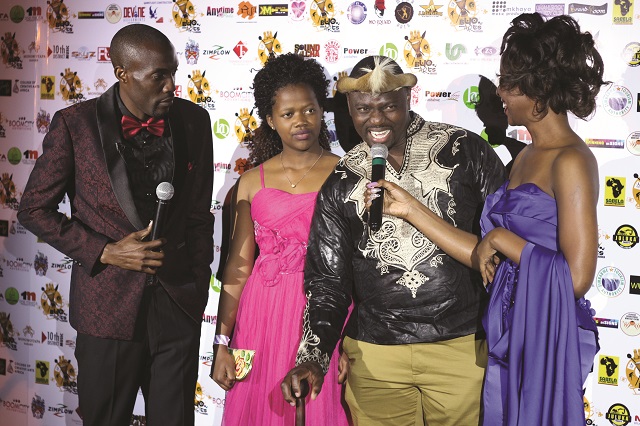

Bruce Ndlovu
ORGANISERS of the annual ROIL Bulawayo Arts Awards (RBAAs) say they are not in competition with National Arts Merit Awards (Namas), despite hosting a five-star event last year that many felt was better organised than the country’s premier awards ceremony whose recent editions have been plagued by various problems.
The RBAAs were hailed as a standard bearer after the debut edition, which saw Bulawayo residents from all walks of life come out in their numbers to rally behind those that had excelled in the arts the previous year.
Businesspeople, artistes, socialites and ordinary citizens came out dressed to the nines as the award ceremony delivered a glamorous and glitzy night to remember at the Large City Hall.
Now the organisers of 2017’s event of the year stand on the cusp of more glory, with the second edition of the award ceremony, now backed by the financial firepower of ROIL, set for the City of Kings on 26 May.
However, despite its stellar entrance into the scene last year, the RBAAs have not been without their fair share of naysayers. Among the chief criticisms of the ceremony was that it was trying to upstage already established award ceremonies like the Namas.
“Because we live in a world where products that are alike are bound to be compared it’s inevitable that such comparisons are bound to happen,” said veteran arts practitioner Raisedon Baya, one of the organisers of the groundbreaking award ceremony.
“However, we believe that we’re not competing with the Namas. Rather we’re complementing them in the same way that the Skyz Metro awards are complementing the RBAAs.
“It is our belief that if Nama sees what we’re doing and are inspired to do better, it can only be for the benefit of everyone because we will get a better award show.”
The award ceremony seemed to have also ruffled the feathers of some who felt that the award ceremony had erred in pronouncing that it celebrated artistes from one city.
“They’re called the Bulawayo Arts Awards because of where they’re held but we accommodate artistes from Matabeleland North and South. For me and the other guys, this started when we felt like we needed to celebrate our own. There’re a lot of artistes in Bulawayo that aren’t recognised either nationally or internationally not because they’re not doing well but because perhaps their work is overlooked,” said Baya.
He added that they would not apologise for their desire to celebrate some of Bulawayo’s finest artistes.
“We’re unapologetic about our desire to celebrate Bulawayo. It’s like having a family celebration then having your neighbours asking you why you’re having that celebration. If there’s anyone who would like to join us in our celebration they’re free to do so.
“That’s why the criteria says you’re eligible if you were either born in Bulawayo or you were born elsewhere but practice your art in Bulawayo. It says nothing about race, gender or tribe so I don’t see how it can be described as discriminatory,” said Baya.


 Blessing Chizhande
 Online Reporter