admin
adminSamuel Kadungure Farming Reporter
MANICALAND has received moderate rains — after a month of intense dry condition, but the wet spell has brought smiles more on livestock farmers than their staple grain crop counterparts.
Resources for poor farmers in natural regions three, four and five of the province are already suffering from the severe effects of the worst drought in decades as lack of rain and scorching heat had irreversibly damaged food crops and forced some to leave fields untilled.
Agronomists in the province this week confirmed that the damage had already been done and farmers can hardly salvage anything from their fields though the rain was welcome.
Even the small grains wilted in the scotching heat.
The province last received rains mid-January and what followed was an arid spell which destroyed the early planted staple maize. There is need for contingencies as the province has no potential to harvest enough to feed a quarter of its growing population.
The severe weather vagaries’ worst impact was being felt in the southern parts of the province like Chipinge, Buhera and Mutare districts, and a portion of Makoni South where some could not till their land because it was not worthwhile.
Tobacco
Tobacco farmers can afford a smile because the rains came just on time.
The leafy crop has been rejuvenated and the majority of tobacco farmers are expecting a boom. The crop is in a good shape and ripping is progressing well. Lack of resources has left most farmers with no choice, but to cure their tobacco using only firewood as they cannot afford other fuels such as coal and electricity.
However, to preserve the environment, farmers should use coal energy to cure tobacco. Tobacco farmers, especially small should sustainably cure their crop to sell it for higher prices. Tobacco farmers must establish their own plantations to curb deforestation during tobacco curing time.
Livestock
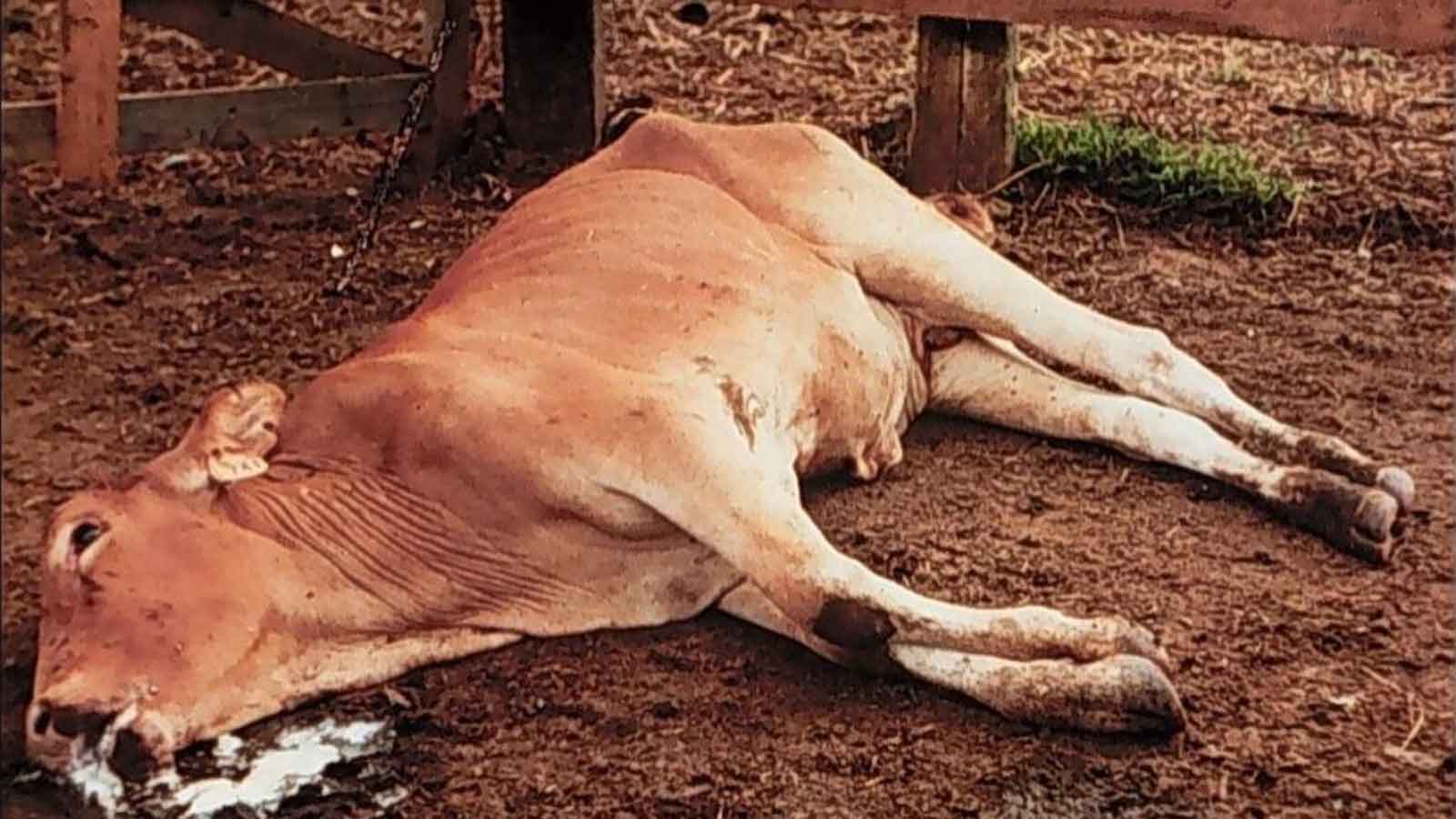
The lengthy dry spell had also caused pastures to dry up, but the impact was being mitigated by the current rains. The rains have rejuvenated pastures and replenished reservoirs for livestock drinking water. The cattle have been dying at an alarming rate due to a combination of feed and water shortages as well as exposure to diseases like foot and mouth and anthrax. Farmers were forced to sell their cattle and prices at one point plummeted to as little as $20. At least 4 000 cattle were lost in Manicaland and the rains have came as a huge relief for livestock farmers since the pastures have turned green again and streams started flowing and dams filling up.
Farmers cannot afford such losses as it spells a disaster for the livestock sector. It is a disaster and it is prudent that they strategically destock their herd and use the proceeds to tender the breeding stock. The clever ones can now start preparing fodder banks of either crop residue or green grass to feed their cattle at a later stage.
This challenge can be mitigated if readily available farm by-products such as maize, millet and sorghum stovers (mashanga/magonje) are treated for utilisation by cattle and other domestic ruminants. Maize stover consists of residues of maize plants left in a field following the harvest of the grain. It includes stalks, leaves, husks, and cobs. Farmers will best utilise the stovers and straws to feed the ruminant livestock especially during this dry season where the grass has dried and falling prey to veld fires. Maize stover is the main roughage available during the dry season because these are gathered into fodder banks after harvest.
However, the missing link is the knowledge that these maize stovers have low nutritional value (about 6 percent protein) if fed as they are, but can be improved in quality and digestibility by treating them with a three-week fermentation period using a urea-water solution. The crude protein content of stovers and straws increases when treated with urea. There is also increased dry matter intake, live-weight gain and milk production from urea-treated stovers and straw compared to untreated material that our small-scale farmers are accustomed to. Of concern is that small-scale farmers usually fed the whole stalk and leaves without chopping or any kind of treatment. This results in high wastage and very low intake.
The stover enrichment process is simple; but urea is potentially poisonous, hence it is important that the process be adhered to religiously.
Animal health
The most prominent constraint in small-scale livestock farming includes disease and pest control and the quantity and quality of feed offered to the animals.
Farmers need to ensure that their animals are in the best health condition especially this drought period because if an unhealthy animal is attacked by a disease it ultimately results in a loss.
Animals in Manicaland are constantly exposed to anthrax, black leg and foot-and-mouth diseases and farmers should be on the look-out.
Farmers should regularly dip their cattle, because non-dipping accounts for 65 percent of cattle deaths. Ticks have a negative impact on the production of cattle.
They cut a small hole in the skin and insert their mouth parts into the opening, thus attaching themselves to their host, thereby causing damage to hides and skins as well as damage organs such as the udder, scrotum and the ears of cattle. The wounds around these areas will often get infected with bacteria and might be attacked by flies.
Also less well known is the effect known as “tick worry” – which is the suppressive effect on the appetite of the animal due to a component in the tick saliva.
Good supervision and management is required for intensive tick control as some tick species are potential transmitters of diseases such as heart water, red water, anaplasmosis and tick toxicoses.
Heavy infestations have a negative effect the growth rate and production of the animals –which means compromise meat and milk production. Sporadic deaths due to tickborne disease can still occur and vaccination should be practiced.
Why dips sometimes appear not to work
Farmers become annoyed when there are still ticks present after dipping or ticks reappear rapidly on their cattle after dipping.
It is important to understand the many factors that can play a role in the efficacy of dips. Some of the reasons include:
Poor Application
• The dip may be too weak due to over dilution or under replenishment. This often occurs due to the capacity of the dip tank being underestimated. Testing of the dip wash will establish if the concentration is sufficient.
• The dip tank may be too shallow and does not wet the heads of the cattle.
• Wetting in a spray race may be poor due to structural and functional defects.
• With hand or mechanical spraying, problems are almost always due to insufficient dip being used to wet the animal.
Dipping Intervals
MLs take time to act because the ticks have to feed before there are any effects.
Pyrethroids can take up to two days to kill ticks and some stay attached despite being dead, especially the males.
Pour-ons may take two to three days to spread over the animal and their effect on the lower body areas will be slower than on the head and neck.
Ticks may climb on animals after the residual effect is past (after three days). This occurs especially when farmers put animals in new camps which are alive with thousands of hungry ticks.
Other reason
Rain and wet grass washes off dip.
The animals used for stirring the dip are not returned to the dip when it is at the proper concentration.
IGRs will not kill adult ticks.
When there is a massive population of ticks due to warm wet conditions, frequent dipping is required to reduce the numbers.
Resistance can be suspected when a dip group has been used for long periods of time. Ticks can be collected and tested for resistance.
Product is damaged, under standard or expired.


 Online Reporter