Online Reporter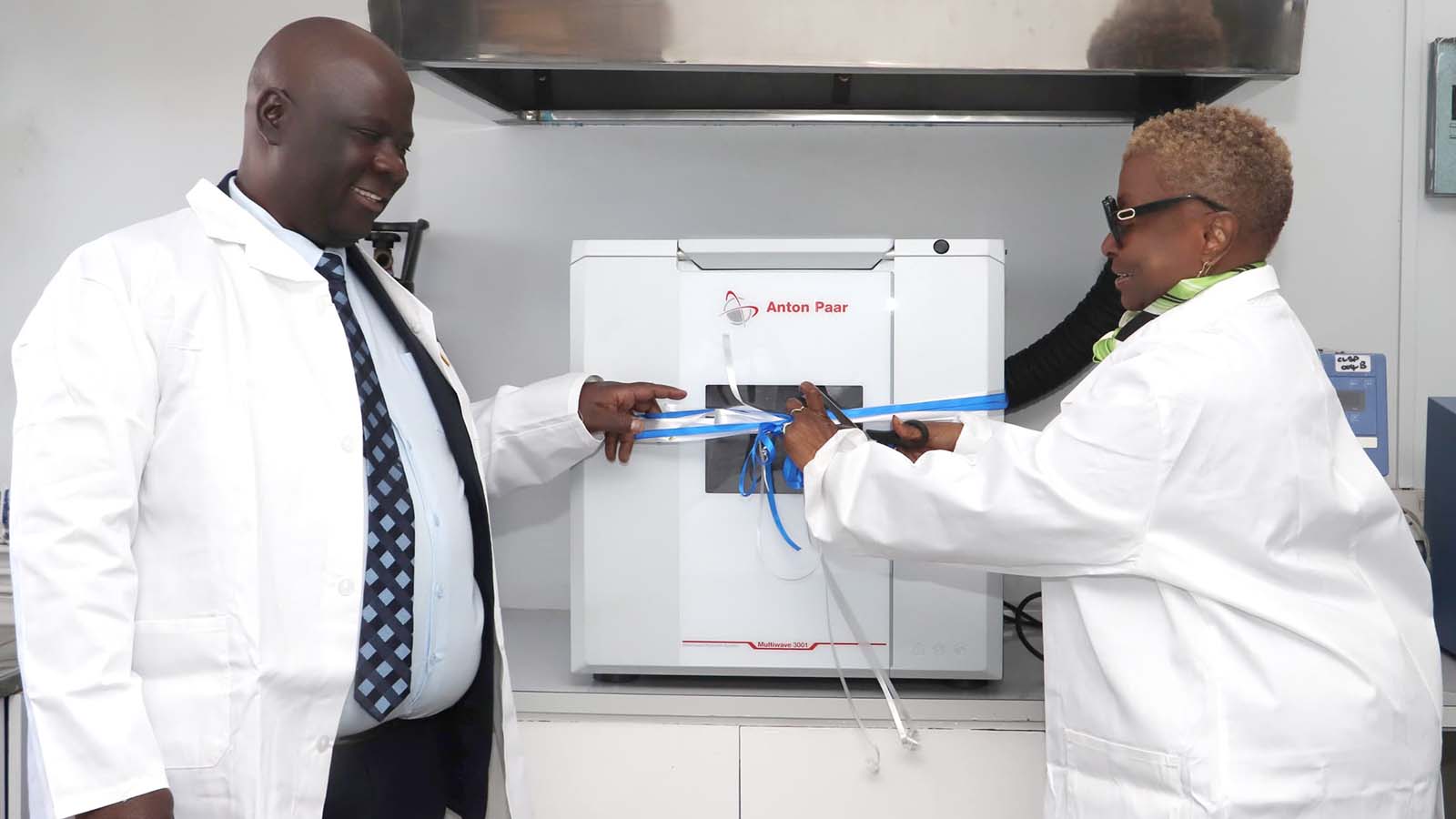
Theseus Mauruki Shambare
Herald Correspondent
THE United Nations World Food Programme (WFP) has donated laboratory equipment worth US$70 000 to the Standards Association of Zimbabwe (SAZ) in a move expected to strengthen the country’s food safety testing capacity, improve turnaround times and enhance confidence in Zimbabwe’s food quality systems.
The donation, which includes a microwave digestion system and a laboratory grinding mill, was officially handed over during a ceremony in Harare on Wednesday, where the two institutions also signed a Memorandum of Understanding formalising the transfer of ownership and future collaboration.
Speaking at the event, WFP Zimbabwe Representative and Country Director Ms Barbara Clemens said the investment was aimed at enabling faster food quality testing while strengthening Zimbabwe’s food systems.
“Our motivation is threefold. The first one is to speed up the rate of testing and reduce the lead time,” she said.
“Prior to buying this equipment, we would have to send our samples out to get them tested to complete the full range of analyses that are required.”
She said localising testing would shorten procurement processes whenever WFP sources food within Zimbabwe for humanitarian assistance programmes.
“We hope this contribution will strengthen food quality and safety systems while supporting Zimbabwe’s broader ambitions of rebuilding a resilient and competitive agricultural sector,” she said.
SAZ director general Mr Cosmus Mukoyi described the donation as a strategic investment that addresses critical gaps in the country’s laboratory infrastructure.
“The equipment being commissioned today consists of a microwave digestion system and a laboratory grinding mill,” he said.
“These are not ordinary instruments. They are important additions to the technical capability of our laboratories.”
“The microwave digestion system will enhance efficient sample preparation for routine and advanced analysis, while the grinding mill will strengthen sample preparation for grain-related products, supporting analysis of moisture, protein, fat content and other quality parameters.”
Mr Mukoyi said the equipment would enable SAZ to conduct more specialised tests locally, reducing reliance on laboratories outside Zimbabwe.
“We are now able to localise most of this testing, and this is going to be critical in improving turnaround times,” he said.
“We will be able to service industry, WFP and other stakeholders much quicker than before, giving Zimbabwe a competitive edge.”
He said the growing demand for reliable and internationally credible testing services made the investment timely.
“As the national standards body, SAZ has a mandate to facilitate the development and use of standards, provide testing and inspection services, support certification and contribute to safeguarding communities,” he said.
“The reliability of our laboratory infrastructure is therefore central to the confidence that consumers, regulators, producers, exporters and development partners place in our national quality system.”
Mr Mukoyi said the partnership goes beyond the transfer of equipment, noting that SAZ and WFP would also collaborate on developing standards that support food quality, safety and resilient food systems.
He pledged that SAZ would maintain the equipment to ensure it delivers lasting value to manufacturers, farmers, processors, exporters, regulators and consumers.
The donation aligns with the strategic priorities of both organisations, supporting the WFP Zimbabwe Country Strategic Plan and the SAZ Strategic Plan 2026-2030, which seek to strengthen food safety, quality assurance and national laboratory capacity.