admin
adminwhen African pop music was isolated to townships, everybody danced to tsava-tsava or tsaba-tsaba, depending on which part of the country one came from.
As things moved on, we all began to aspire to Western pop music from The Beatles, Bob Dylan, The Rolling Stones and Elvis Presley.
In the process it was no longer fashionable to be seen dancing to tsava-tsava or any other traditional Zimbabwean beats.
Thus we lost our music and its name. Whatever we call Zimbabwean music now has been borrowed from somewhere.
I was talking to Suluman Chimbetu the other day when I suggested that his music was called sungura. He suddenly quipped: “My music is not sungura. It is called dendera”.
I quibbled over the difference between these “two” genres but could not find any music expert to shed light on this one.
One thing for certain is that “dendera” is a word which was coined by Suluman’s father, Simon.
Simon Chimbetu ideally called his band The Marxist Brothers in the early 1980s when the Government’s philosophy for Zimbabwe was to follow a socialist political thrust based on the teachings of Karl Marx.
His recording company was not too keen on this name and Mike Ralph, who was working for ZMC at the time before forming his own company, Record and Tape Promotion, persuaded Simon to change the name of his group to Orchestra Dendera Kings. So the term dendera became associated with the Chimbetus and I can understand Suluman’s desire to carry on with his father’s legacy.
But should we call the rest of music from Zimbabwe dendera? If not, then what name shall we give to Zimbabwe’s modern pop music? Some prefer to call it chimurenga, or jiti, others call it sungura or museve. A lot of names have been thrown into the ring.
A lot of controversy has been going on in the last two decades regarding the origins of Zimbabwean music and what Zimbabwean music should be called.
One of the great beauties about Zimbabwean music is its variety. Traces of all different forms of music that Zimbabweans have been exposed to in the past are found in many of the compositions from today’s Zimbabwean pop musicians.
For instance, because of our exposure to rock music before independence, there are traces of Western pop and rock in the music of groups such as Ilanga and Talking Drum while Solomon Skuza, The Pied Pipers and Ebony Sheik fused most of their compositions with reggae music. Brian Rusike composed the classical “Ruva Rangu” which is obviously influenced by Bob Dylan, judging by its chord progression.
John Chibadura, Nyami Nyami Sounds, Marxist Brothers, Devera Ngwena, Leonard Dembo, Naison Chimbetu and many others fused their music with the Zairean rhumba beat.
Their version of rhumba is sometimes referred to as sungura. There are also some groups who fuse their music with South African mbaqanga or other African genres. The likes of Lovemore Majaivana, Fanyana Dube, Jungle Band, Jeys Marabini and Oliver Mtukudzi fall into this category.
To add to this, some groups fuse traditional folk music with modern pop to give a completely new sound, which is now being identified as exclusively Zimbabwean music. Names such as Chimurenga, Jiti, Afro-Acid and Mahobho have emerged in the last 20 or so years as labels for Zimbabwean music. Some names have been adapted wholesale to represent the kind of music being played. Names such as kwela, simanje-manje, jazz, marabi, rhumba and reggae/dancehall are commonplace.
In Jamaica all music played there now came from one source, ska which evolved to reggae and later ragga or dancehall and anyone can tell the differences in these forms of music.
In Britain, skiffle was the music of the 1950s which evolved into rock after influence from America. It is not the same with Zimbabwe.
The Harare Mambo Band, which started in the 1960s and continued into the 1990s, is a typical band which shows the diversity of music in Zimbabwe today.
They played rock, kwela, rhumba, traditional, reggae, soul, sungura, mbaqanga, jazz and jiti in one evening’s programme.
Today’s bands such as Jabavu Drive and Summer Breeze do the same.
It is therefore almost impossible to give one brand name to Zimbabwean music because it does not come in one form.
The best method of identifying each form of music is through its artiste.
When one casts his or her eyes to artistes such as Thomas Mapfumo, Robson Banda and the Four Brothers then he or she knows that traditional mbira music (now commonly known as Chimurenga) will come from that angle.
But let me not contradict myself. Thomas Mapfumo’s “Ndoita Mugara Ndega” which features the late Tobias Areketa is called Chimurenga music but if you listen to the beat, it is purely reggae. As a matter of fact, it was recorded at Addis Ababa Studios in London and the mixing was done by Duxie, Munya Brown and Puck from Misty in Roots who were reggae artistes based in England.
The Bhundu Boys, James Chimombe and Mbombera on the other hand play jiti. Oliver Mtukudzi decided to call his music “Tuku Music”.
Alick Macheso, Pengaudzoke, John Chibadura, Leonard Dembo, Tongai Moyo, Cephas Mashakada and a host of other artistes play what is commonly known as “museve” or “sungura” which is a mixture of local and Zairean beats.
Any name given to the present-day Zimbabwean music is subject to debate.
It was during the euphoria of Independence in 1980 which saw the shaping of sungura bands such as Kassongo Band, Sungura Boys, New Black Montana, Pengaudzoke and Simon Chimbetu who preferred to call his own form of sungura, “dendera” The sungura sound could be described as uniquely Zimbabwean but no single name will suffice as there are hundreds of Zimbabwean musicians who do not play sungura and therefore do not fit into this category (look at Winky D or Stunner).
Record companies have encouraged the recording of sungura because it is their cash cow.
Sungura music became popular in the early 1980s, pioneered by frontman Ephraim Joe and his band Sungura Boys which counted many notable future hitmakers as members.
Their roll included John Chibadura, Simon Chimbetu, Naison Chimbetu, Ronnie Chataika, Michell Jambo, Moses Marasha, Never Moyo, Bata Sintirao and System Tazvida.
The Khiama Boys emerged as natural successors to the Sungura Boys after their demise during the mid-1980s. Members would include System Tazvida, Nicholas Zacharia, Alick Macheso and Zakaria Zakaria. A great number of these artistes have gone on to forge successful careers with their own bands.
In the 1990s sungura musicians included James Chimombe, Leonard Dembo, the effervescent Khiama Boys, veteran Simon Chimbetu and upcoming artistes Alick Macheso, Tongai Moyo and Somandla Ndebele.
To emerge also during this era was Leonard Zhakata whose musical project was a spin-off of the double play Maungwe Brothers, an act fronted by Zhakata and his cousin Thomas Makion.
The decade 2000 till 2010 has been characterised by a wrangle for the crown of sungura kingship between the two great superstars of the decade, Alick Macheso and Tongai Moyo. Having dominated sales, tour and concert attendances, the heckling and counter heckling by the artistes at shows and in some recorded material is strong proof that there is little doubt that the current feud is far from over.
Other artistes to come through this decade include Joseph Garakara, Gift Amuli and Daiton Somanje. These are all sungura artistes but the debate to give Zimbabwean music its proper name still rages on. After all what is in a name?
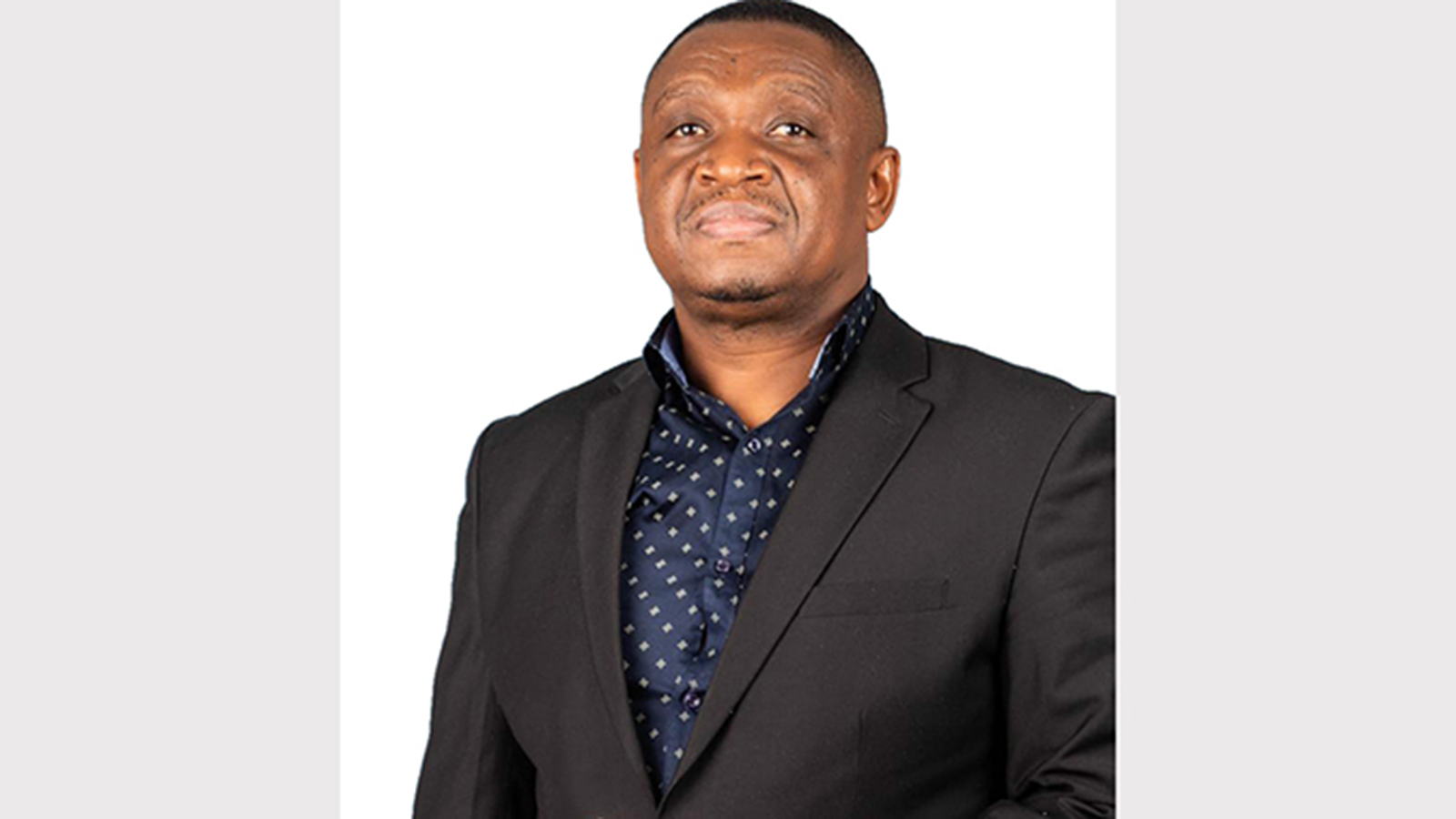
- Fred Zindi is a Professor at the University of Zimbabwe. He is also a musician and an author of several books on music. He can be contacted via e-mail on [email protected]


 Online Reporter