admin
admin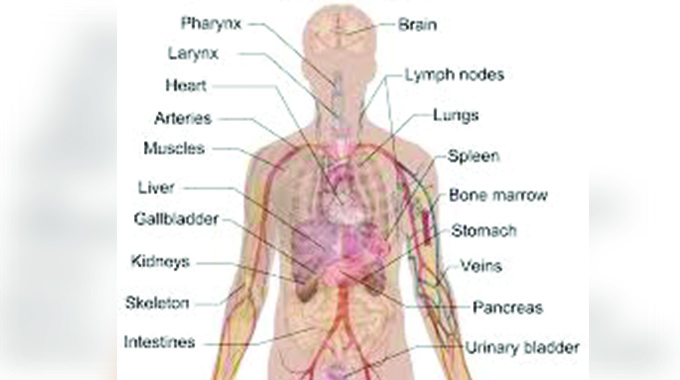
The brain and nerve cells require a constant supply of oxygen and subsequently, they will die within a few minutes, once you stop breathing.
The next to go will be the heart, followed by the liver, the kidneys and pancreas — which can last for about an hour. Skin, tendons, heart valves and corneas will still be alive after a day. White blood cells can keep going for almost three days.
Interestingly, once someone dies, the body quickly enters the so-called “twilight of death” in which gene transcription — the first step of gene expression, where a segment of DNA is copied into RNA — occurs. This could happen within hours or even days after the individual as a whole was declared dead.
For years, researchers have noted that recipients of donor organs often exhibit increased risk of cancer following a transplant and some researchers think that there could be a link between “twilight of death” gene transcription and this increased cancer risk. In some sense, in the aftermath of death, the surviving cells start changing their DNA in a state of blind panic and that could be the very cause of later cancers after transplants. As if death is a cancer in itself — ready, to strike again. (Source: www.quora.com)



 Online Reporter