Online Reporter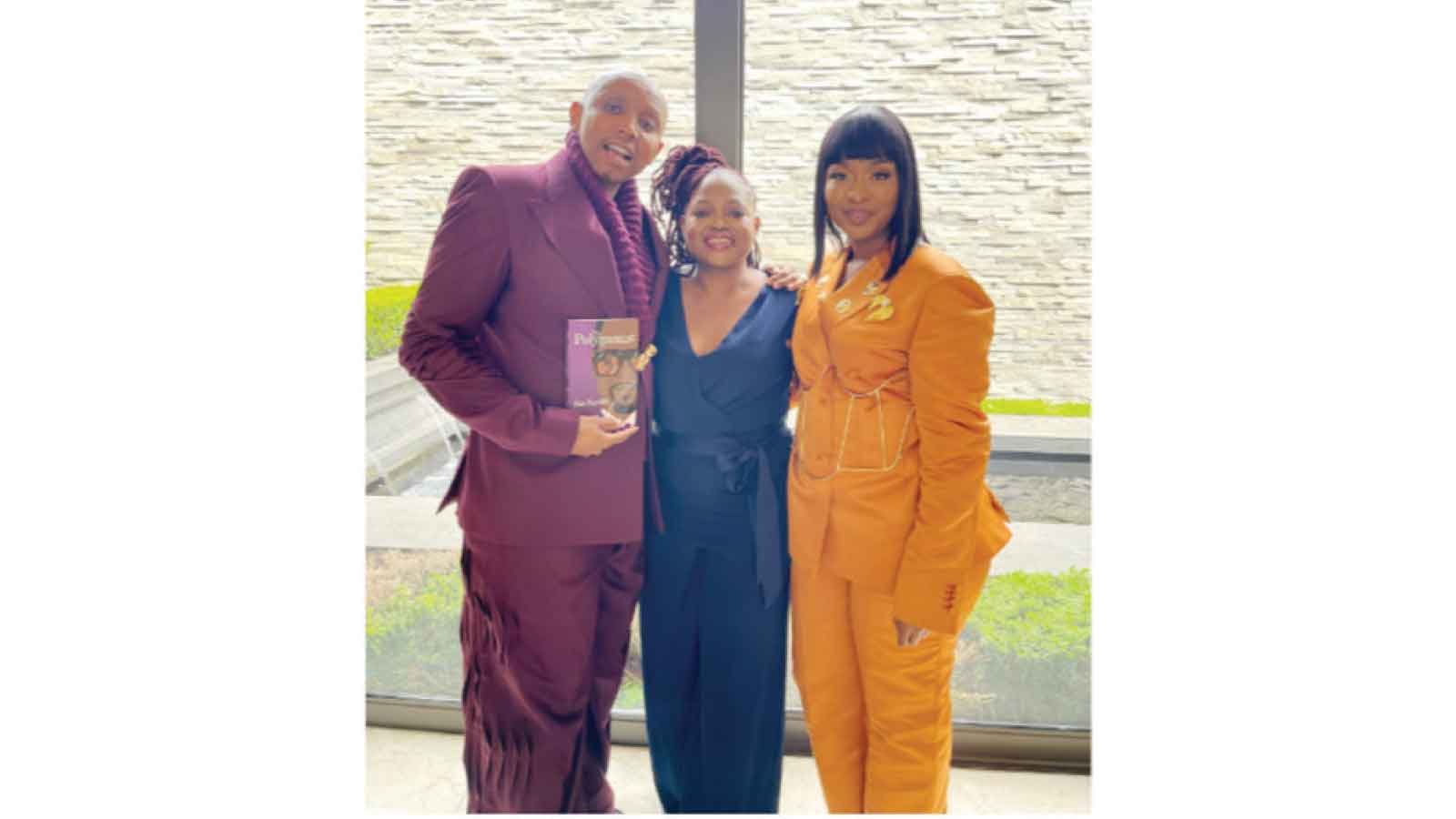
Laina Makuzha-LOVE by DESIGN
SUE NYATHI didn’t set out to start a global conversation.
When the Zimbabwean‑born, Joburg‑based author wrote “The Polygamist” in 2010, she was simply looking for “light reading.” Stuck on another manuscript, she needed a break. “It wasn’t supposed to be heavy,” she told me. “Those are unintended consequences.”
Fast forward to June 12, 2026: Netflix releases the adaptation and suddenly the show breaks out — trending in over 60 countries, reaching the Top 10 in 63 nations including the US and UK and climbing to No. 2 globally. For Zimbabwean literature, this is historic. A local story is now a global phenomenon, proving that our narratives can resonate far beyond our borders.
I caught up with Sue for what was supposed to be a quick interview booking for print and podcast. It turned into the interview. “You might as well interview me now so that you don’t have to wait a long time for my responses,” she said. Action lady. I was elated!
What struck me first was not the controversy. It was Sue herself — warm, real, and disarmingly honest. And what struck me second was this: the story is not just about a man with three wives. It is about choices and consequences. It is about the women in the room. It prompts introspection on motives, boundaries and the meaning of love.
A mirror we did not expect
The show points to how polygamy has changed — and the mirror is uncomfortable.
Nowadays, some women sign up for monogamous marriages, only to find the goal posts shifted without warning. Suddenly, they are asked to accept a sister (wife). The show holds up a mirror to marriages many did not expect or welcome.
Sue was clear: “Polygamy is no longer what it used to be when our elders practiced it.” Back then, she explained, it was transparent. The first wife was integral to the process. Sometimes she even requested ‘help’ and was involved in choosing a sister wife. “We are not living in the 60s and 70s anymore,” she added. “Women are more educated, have careers and are empowered. For many, it’s a non‑starter.”
The spirited debate around the world over the topic, is testament that the story is doing exactly what stories should do — make us look deeper. Some felt attacked watching it. Sue’s response was direct: “Why do you feel attacked? You need to introspect.”
Choices, consequences and gender based violence
Spoiler alert:(if you are yet to watch it for yourself), Jonasi Gomora, (the husband,) breaks news of siring twins outside his marriage. His wife Joyce suggests he marries the mother of those babies as a “second wife” to fix their marriage — only to discover more secrets and heartbreak. Jonasi just was not about to change his ways! The show also points to the prevalence of intergenerational relationships and their potential to expose young girls to STIs. It also highlights the general reluctance to get treatment that is often witnessed in some men.
What I observed is that polygamy does not necessarily stop a man from looking elsewhere, when it is driven by lust. Left unchecked, lust drives one to destruction. And it is never just one person destroyed — it is a trail of broken lives.
For the other willing participants in a such a set up, however, Sue was candid: “Don’t play victim. How much have you contributed? How much have you allowed? A lot of what Jonasi did, he was enabled.”
These are tough questions. But they matter. Because ignoring red flags — violence, infidelity, emotional abuse — is dangerous. And here is where the conversation widens: Zimbabwe, like many societies, is witnessing an implosion of gender‑based violence. This is not just about relationships in isolation. Healthier families don’t happen by accident. They happen when we think about consequences before the damage is done.
We have to ask: How many lives should be lost before we change mindsets? Before conflict management and emotional intelligence matters? Before we raise the girl child to know not only her value, but also to recognise danger and choose life? Before we teach the boy child responsibility, honesty, self‑control and dignity in relationships?
Sue’s three takeaways
I asked Sue for three takeaways she wants readers and viewers to walk away with, she gave me three clear lessons:
1. Lust and sexual indiscipline will destroy you
“If you can’t control your libido, you will destroy yourself and others.” Rising infections among youth which are linked to intergenerational sex, are part of this reality. Beyond the stats, it is about the lust of the flesh, the lust of the eyes, the pride of life. Jonasi, she said, was a victim of all three.
2. Do not build your identity on another person.
We watch Joyce build her whole life persona around Jonasi to the point where she cannot imagine facing society without him. “You need to be able to separate yourself from who you are as that man’s wife. Know who you are when you are not making sandwiches for school.” When you know yourself, you build boundaries. You can say: “Listen, this I cannot do.” Otherwise you are going to be saying yes-yes to everything.
3: Own your choices. Fully.
“If it’s polygamy, be honest about it. Be clear about what is happening. Everyone should co-sign. Communicate intentions early. Don’t shift goal posts years later. What I picked from it is, you should be willing to stand with your full chest on what you have chosen because choices have consequences. There is collateral damage, “especially when there are children who are plunged into being the silent witnesses of the carnage.”
Why this story matters globally
Agency is beautiful, but agency without wisdom is dangerous. Selfishness — man or woman — becomes pure evil when personal needs traumatise others. And this is where the global conversation matters: GBV is not just a Zimbabwean issue. It is a human issue. The Sustainable Development Goals constantly remind us that equality, dignity and safe families are global goals.
The women in Sue’s story are not props. They are sisters, survivors, in some way-enablers, and decision‑makers. They are people making choices in real time, with real consequences. And we see some of this in real life.
Culture, faith and relationships are complicated. “The Polygamist” does not dictate what marriage should be. It asks us to look — at culture, at power, at choice, at ourselves.
And if you love books like I do, “The Polygamist” is available in bookstores including several in Harare. Sue has more stories in “The Gold Diggers” (2018), “A Family Affair” (2020), and “An Angel’s Demise” (2024).
Keep looking out for an episode of the podcast “Booked for Success”, where we will talk more about her writing process and these other reads.
Let us keep the conversation going. Your insights, experiences, or views might help someone. Because healthier families, safer societies, and stronger futures — in Zimbabwe and beyond — depend on us heeding the message, not shooting the messenger.
Feedback: Connect on Facebook: Naledi Laina Makuzha, or Whatsapp/SMS: +263719102572