admin
admin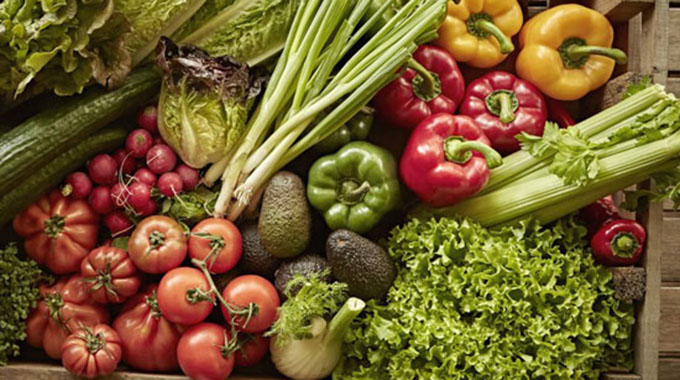
Jennifer Sheehan
Most of us know by now that Covid-19 is a respiratory virus that causes a host of symptoms — from fever, chills and shortness of breath to body aches and loss of taste or smell.
But if you should come down with Covid-19, what should you eat and drink?
Here’s what we found out:
Hydrate, hydrate, hydrate
As with most viruses, it’s important to stay hydrated should you come down with Covid-19. Even if you just can’t eat much because of how badly you feel, hydration is super important.
Denise Russo-Caiazzo, a competitive baker and Forks Township resident, battled Covid-19 and its lingering effects for more than two months.
“The most important thing is to stay hydrated. The doctors couldn’t stress that enough,” Russo-Caiazzo says. “Hydration is paramount because the meds you take, such as antihistamines, may cause you to get dry.”
Your best bet is just water and a lot of it, at least eight glasses. You can add fruit such as lemons or limes to jazz it up since it can be pretty boring to drink.
Immune boost
“There’s no specific diet for those with Covid, says Nate Wardle, spokesman for the state Department of Health. “Boosting your immune system is always a good thing, so certainly foods that help with that.”
Certain nutrients in fresh vegetables and fruits can help boost your immune system such as:
Beta-carotene: Sweet potatoes, carrots and green leafy vegetables have this antioxidant which is thought to help reduce inflammation
Vitamin C: We have all heard about how vitamin C is important when we have a cold or the flu. It’s another antioxidant that can help give your immunity a boost. Good sources: Red peppers, oranges, strawberries, mangoes and broccoli.
Vitamin E: Nuts, seeds, spinach and broccoli all are good sources of this fat-soluble nutrient that acts as an antioxidant, helping to protect cells from damage caused by free radicals, which are compounds formed when our bodies convert the food we eat into energy.
Zinc: Zinc, which is found in pumpkin seeds, lentils, beans and sesame seeds, can help boost white blood cells, which help defend our bodies from illness.
Other tips:
In general, just as you should when you’re healthy, when you’re sick with Covid-19 you should eat at least three servings of fresh fruits and vegetables per day and steer clear of processed foods. Choose lean or plant-based proteins over red meat.
“Make sure you don’t use canned vegetables because they contain too much salt,” Denise Russo-Caiazzo says.
If you can’t stomach a full meal, sip on a smoothie made with fresh frozen berries, milk and Greek yogurt (which has the added benefits of protein and probiotics, which help support a healthy gut). You also get a dose of vitamin D with the milk and yogurt, which can also help your immune system. – The Morning Call



 Online Reporter