Online Reporter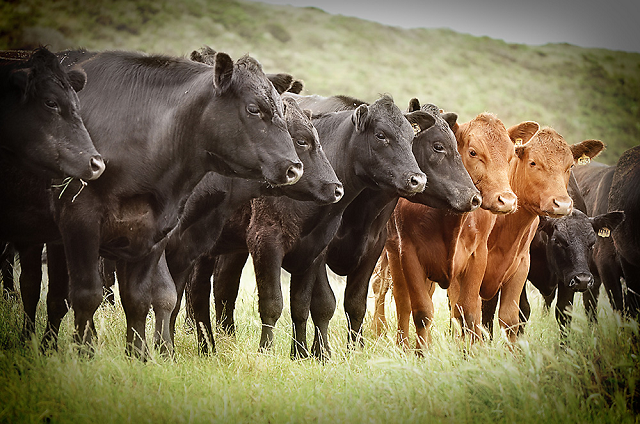
Stephen Mpofu, Perspective
REPORTS indicate that cattle are dying in significant numbers in the Mberengwa and Mwenezi districts. However, the exact cause or causes of these livestock losses could not be confirmed as of yesterday. Veterinary authorities at the head office in Harare stated they were unaware of the reported deaths and would immediately contact veterinary officers on the ground to obtain accurate information.
A reliable source — who is also a neighbour of this writer in the village — revealed that villagers in areas under Chiefs Ngungumbane and Nyamhondo in Mberengwa, as well as others in neighbouring Mwenezi, are experiencing distressing losses of livestock, which are central to rural livelihoods.
The source further claimed that some villagers consumed the meat from animals that had died after being treated by veterinary officers, while others opted to burn the carcasses. However, it remains unconfirmed whether the cattle succumbed to foot and mouth disease, anthrax, theileriosis (commonly known as January disease), or other tick-borne illnesses.
Previous reports have suggested that a lack of water in some rural areas — largely due to recurring droughts linked to climate change — has rendered many dip tanks non-functional. This has left livestock vulnerable to disease, as regular dipping is a key preventative measure.
Cattle are a vital asset for rural communities. Beyond providing meat, they serve as draught power and are often sold to cover essential expenses such as school fees. The loss of livestock, therefore, represents not just an economic blow but a threat to the very fabric of rural life.
It is hoped that the relevant authorities will act swiftly and decisively to address the situation in the affected areas.
Timely intervention is essential to prevent further losses and to safeguard the livelihoods of those who depend on their livestock.
Meanwhile, doctors at Mpilo Hospital in Bulawayo have issued a stark warning: consuming meat from diseased cattle poses a serious health risk and could result in death. They cautioned that individuals who eat such meat may also contract the diseases that killed the animals.
This raises a critical question: how can butcheries or individual consumers determine whether meat is safe to eat or potentially hazardous? Experts may wish to provide guidance on this matter to ensure public safety and prevent further tragedy.