Online Reporter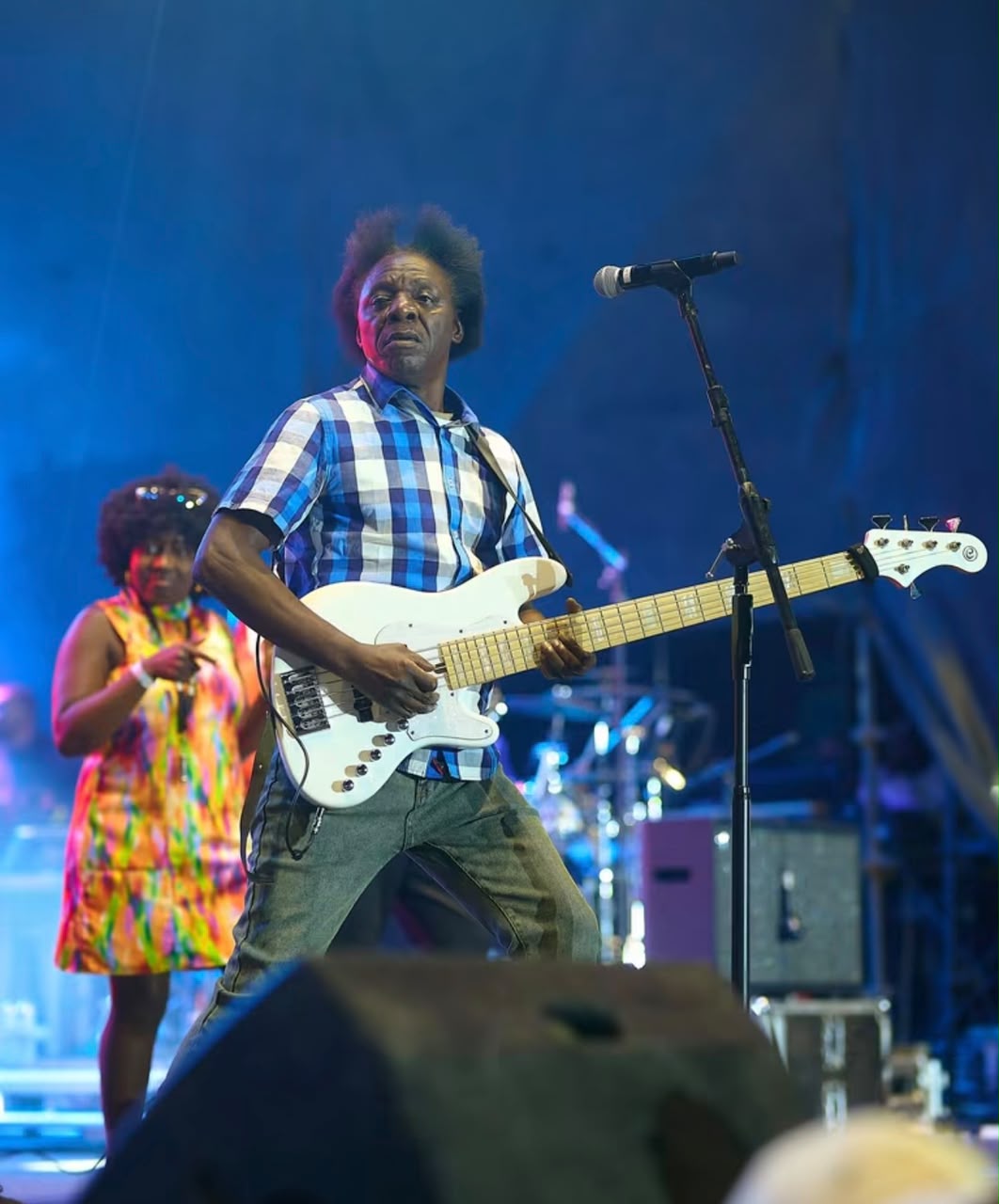
Langalakhe Mabena langamabena@[email protected]
TWENTY-SIX years after they last shared a stage, musician Jeys Marabini says he was flattered to discover that legendary Malian musician Salif Keita knew his music when the two reunited at the recently held Ecobank Legends Night Africa 2.0 in Harare.
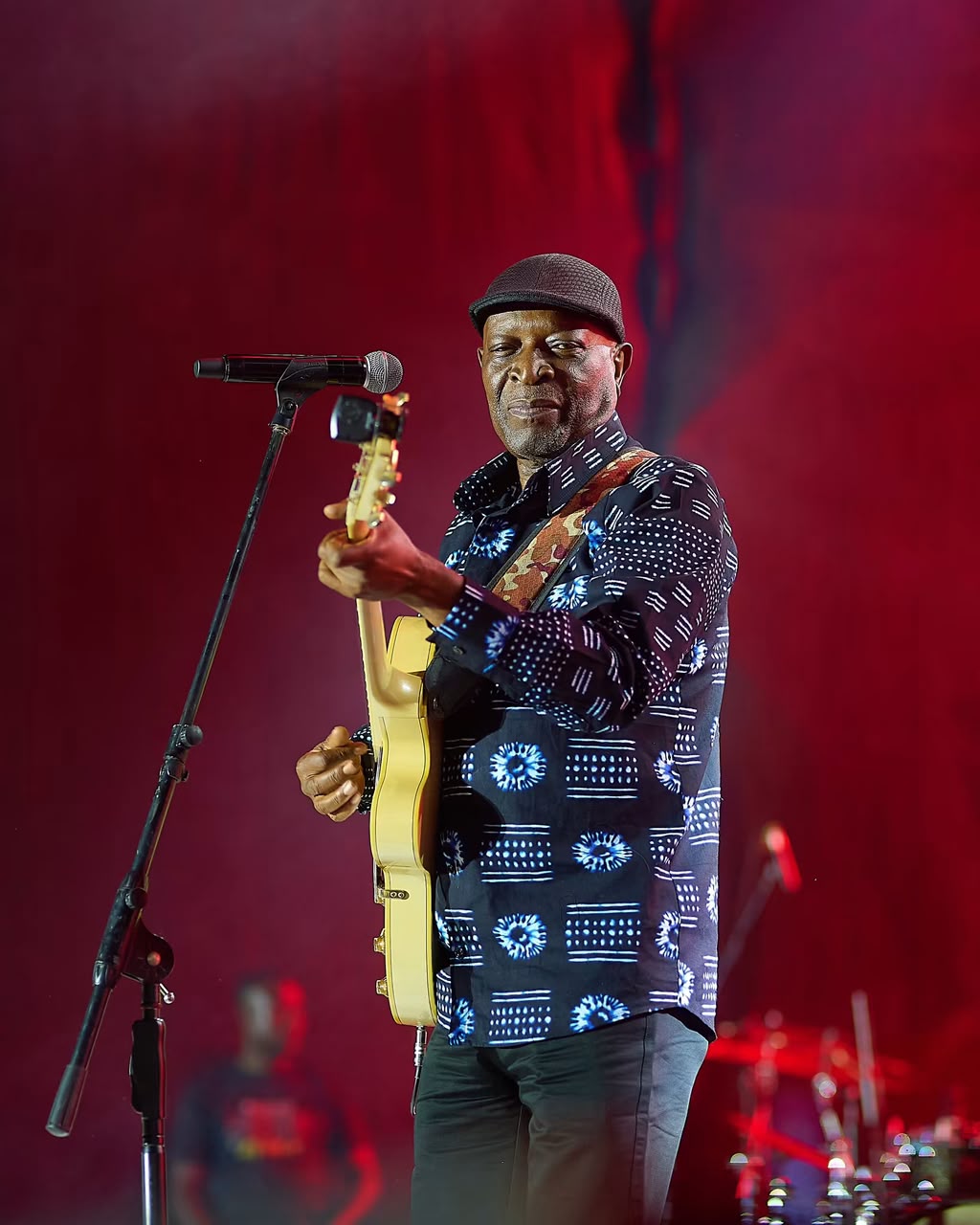
The last time the two performed on the same platform was in Europe in 2000, under vastly different circumstances. At the turn of the century, Keita was already one of Africa’s most recognisable voices, while Marabini was still a member of the Imbube ensemble, Imbizo.
Since then, Keita’s legend has only grown, while Marabini has carved out an impressive career of his own as a jazz maestro with a distinctive sound.
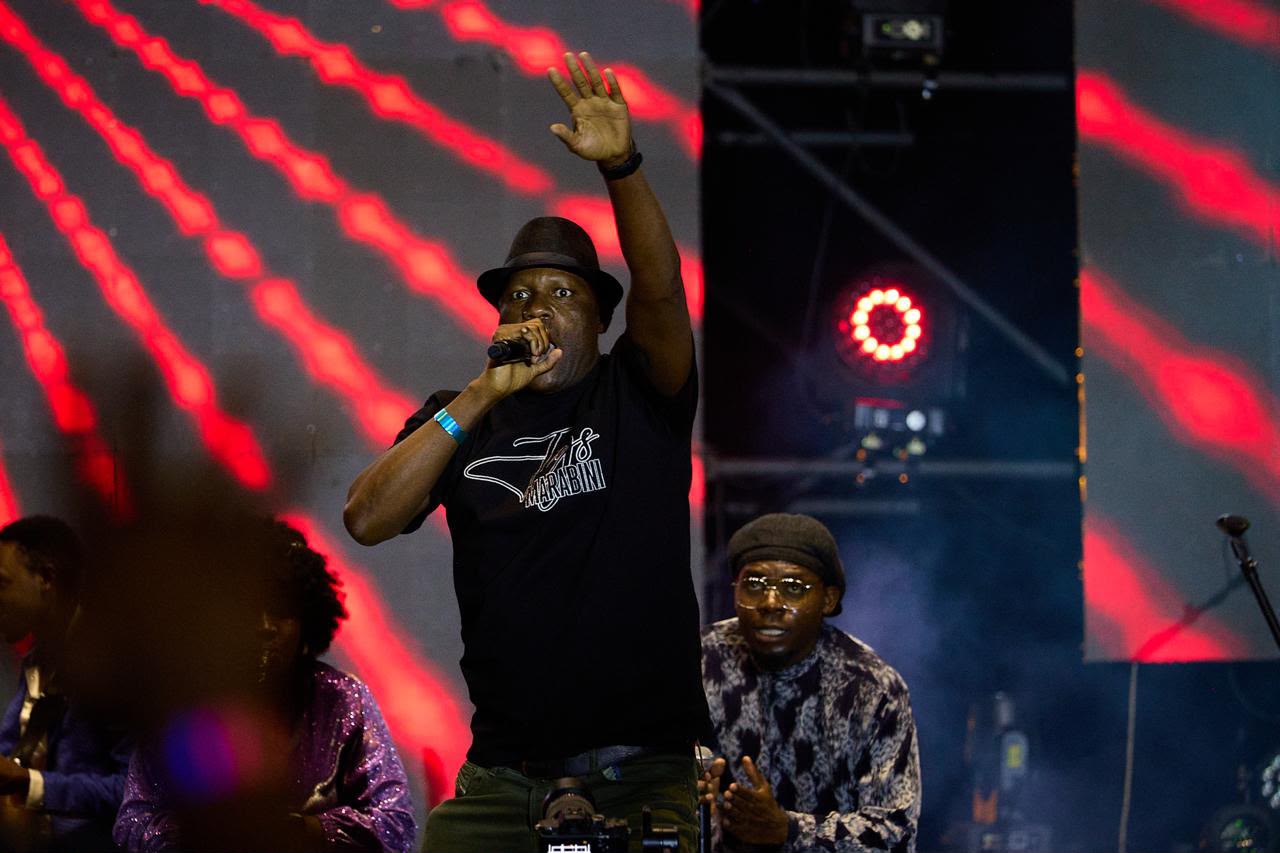
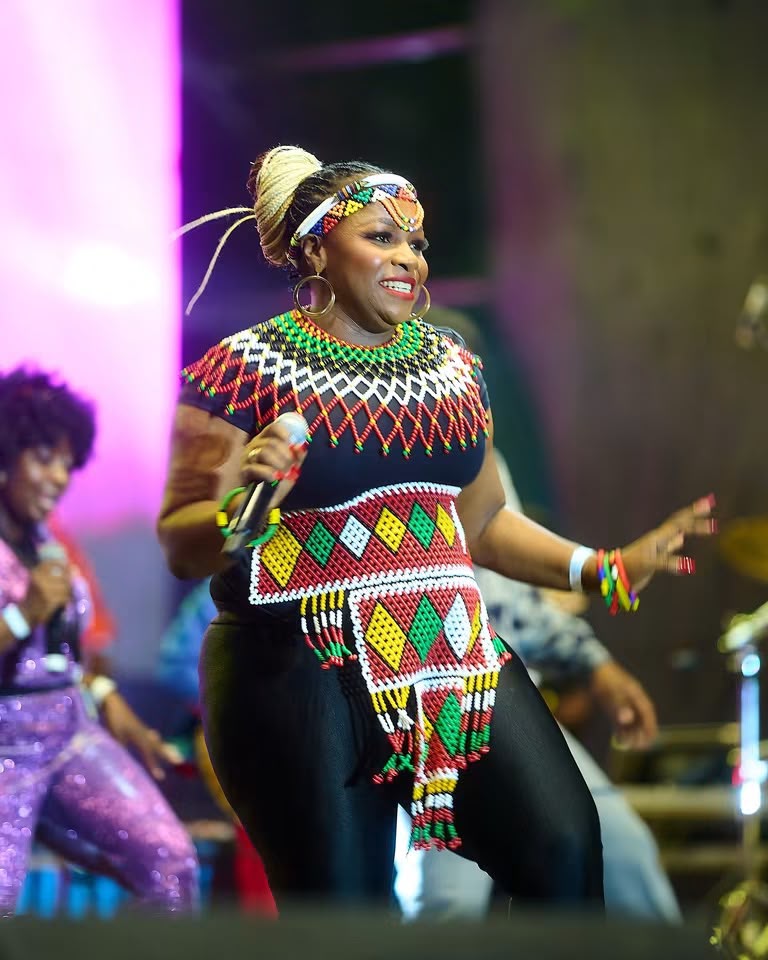
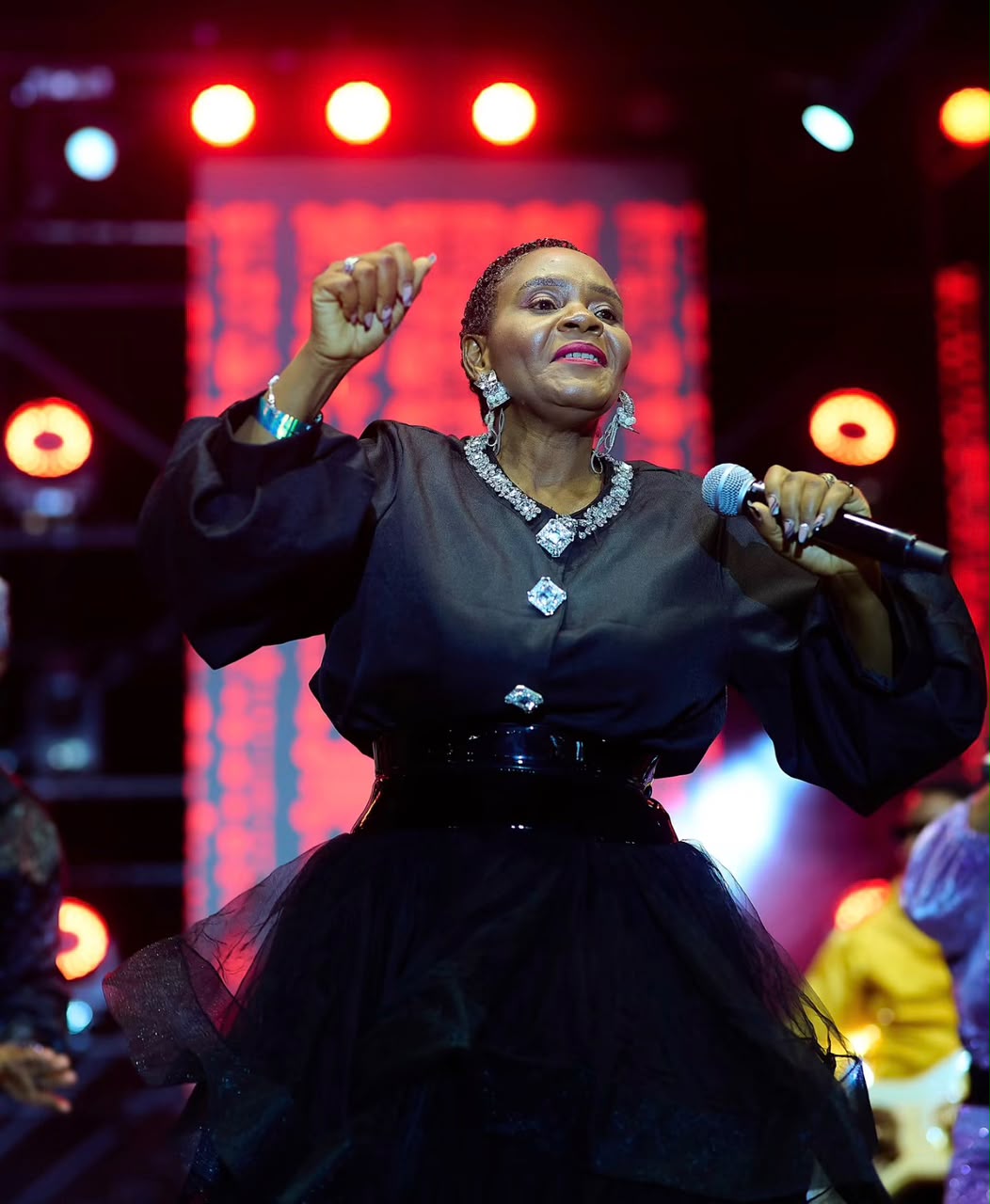
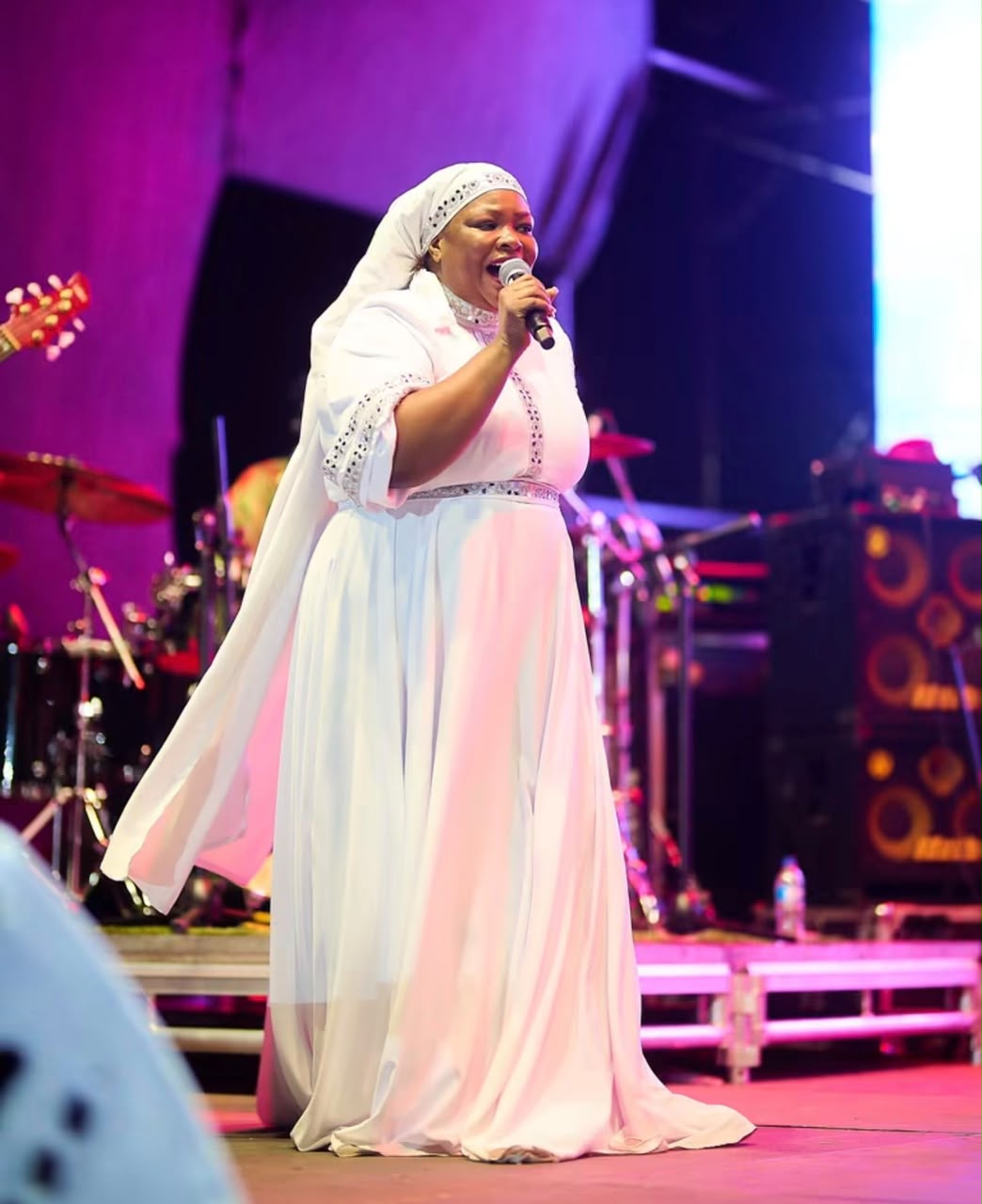
While thousands thronged Alexandra Sports Club on Saturday, September 26, for a star-studded line-up that included Salif Keita, Congolese soukous queen Yondo Sister, sungura legend Alick Macheso, Leonard Zhakata, Tanga weKwaSando, Albert Nyathi, Sandra Ndebele, Iyasa and Cool Crooners, for Marabini, the highlight of the night happened offstage.
“It was a great experience to have been part of the Legends Night event recently in Harare. I had a great time on stage, but my major highlights were offstage. I reconnected with the legendary Salif Keita after exactly 26 years. I shared the stage with him in 2000 in Europe while I was still part of Imbizo.
“Seeing him after so many years, this time in Zimbabwe, brought me so much joy and excitement because he is one of the people I personally look up to,” said Marabini.
The Baba loMama hitmaker said their reunion went beyond merely exchanging pleasantries, as he had an opportunity to engage Keita and his manager in lengthy conversations backstage.
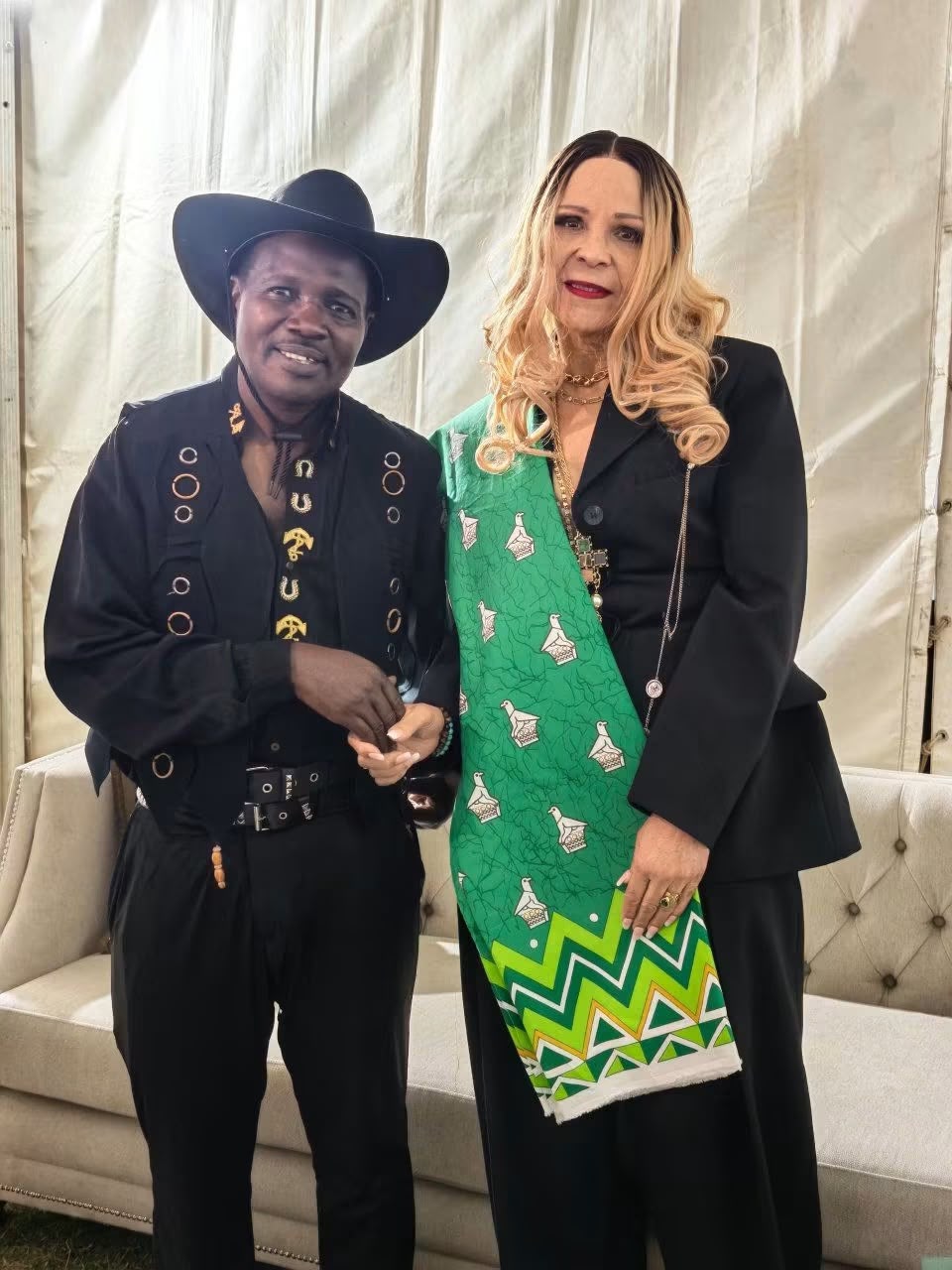
“Behind the scenes, we had great conversations with Keita and his manager. He is a very good listener and gives great, constructive feedback. One thing that shocked me was that he personally knows my music as Marabini. He said I am one of the artistes from Zimbabwe who have a great African sound.
“Hearing this from such a figure keeps me going because I can be regarded as a legend in my country, but when continental legends speak, one listens and appreciates the gesture,” he said.
Marabini applauded the organisers of the gig, Ecobank and Intotal Band, for putting together what he described as a concert that demonstrated the unifying power of music.
“This event was huge. Imagine booking all these international legends and putting them on one stage in front of more than 10 000 people. The stage itself was a marvel, with the lighting complementing the great performances. Other promoters have to copy this because this is the standard we want. From here, we don’t have to drop the ball.
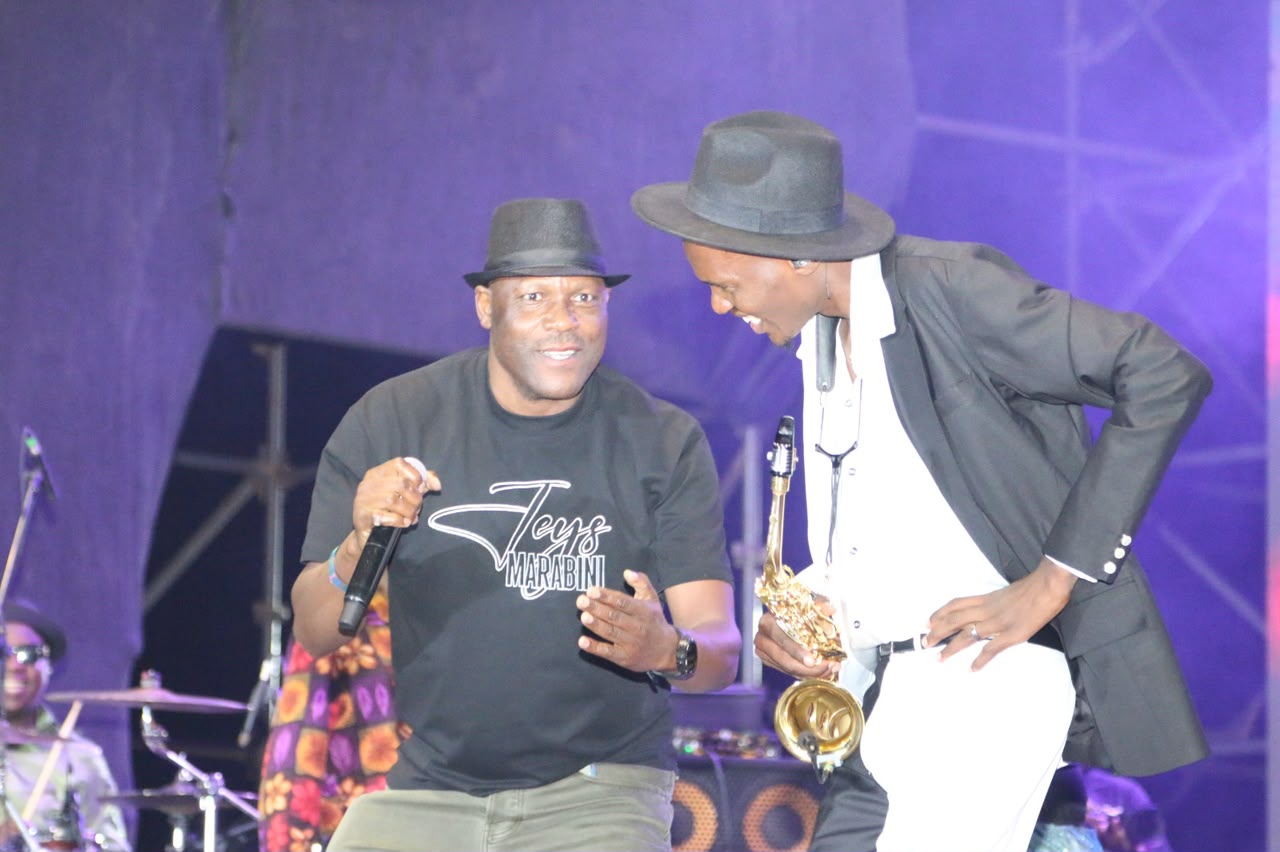
“Apart from the stage, the organisers really took great care of us. Imagine booking flights for everyone, including some of us who came from Bulawayo, booking hotels and providing transport and food for all of us. It’s a sign of great organisation. Kudos to everyone behind the scenes who kept everything together,” he said.
Marabini said the Intotal Band-led Legends Night concept should continue, as it has the potential to bring people together regardless of their backgrounds.
He said the event’s diverse line-up, which brought together artistes from different parts of Zimbabwe and across the continent, demonstrated the power of music to promote unity.
“The performances were inclusive. Local legends from Mashonaland and Matabeleland were honoured, as well as African legends including Salif Keita and Yondo Sister.
“This is a movement that has the power to unite Africa, and I endorse its continuation because it brings people together,” said Marabini.