Online Reporter
Nyore Madzianike
Senior Reporter
THE name Bla Matsotsi — a Chitungwiza-based outlaw whose daring escapades have stirred both fear and fascination — has dominated conversations on social media and in the streets.
Born Alois Luciano, his story reads like a crime thriller laced with folklore.
Tales abound of his brushes with death and arrest, and one of the most chilling claims suggests that when police once cornered him at his home, he allegedly turned into a dog and slipped away.
Equally gripping are reports that his parents brewed traditional beer and conducted rituals to strengthen his powers and shield him from capture.
Whether fact or fiction, Bla Matsotsi’s story has revived an age-old debate about the uneasy intersection between crime, family and traditional rituals in Zimbabwe’s underworld.
In recent years, law enforcement agencies have documented the rise of family-linked criminal enterprises. Among the most notorious are the Vumbunu family of Bulawayo and the Mupamhanga siblings of Hwedza, now operating largely in Harare.
The Vumbunu Clan: Bulawayo’s “Terror Twins”
In Bulawayo, the surname Vumbunu has become synonymous with organised crime.
Brothers Elijah and Abraham — known locally as “the terror twins” — are accused of masterminding a series of armed robberies, gold heists, and carjackings that have left the city on edge.
Their sisters, Sekai and Georgina, have also been drawn into the criminal fold.
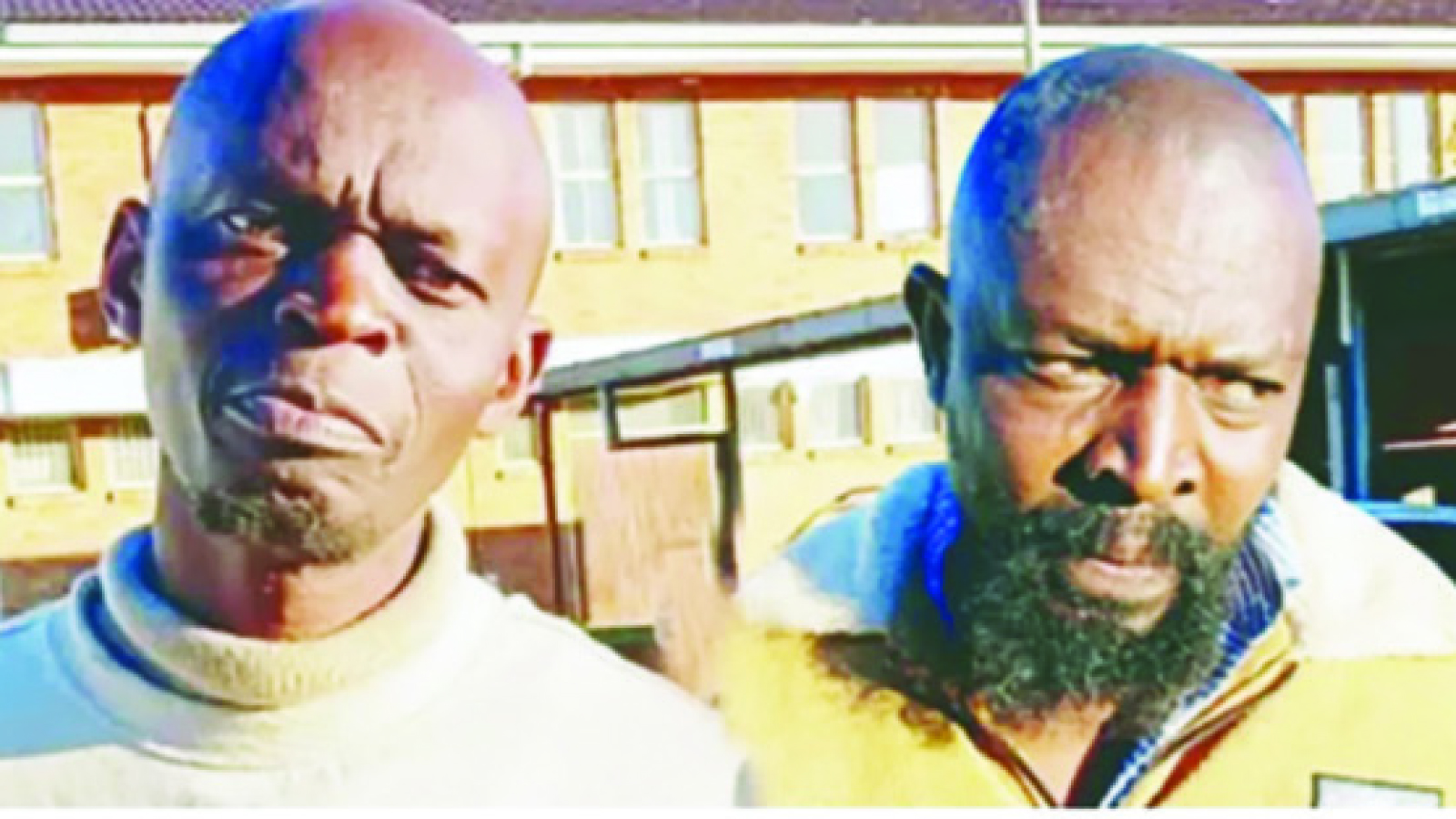
On August 10, 2025, a patron at a restaurant on Fife Street and 12th Avenue was robbed of US$4 000 and R60 000 — in a case linked to members of the family.
Just two months later, on October 12, the sisters and an accomplice allegedly tipped off robbers who ambushed a woman near Mossel House, making off with more than US$24 000 and two wedding rings worth US$1 050.
Earlier that month, Sekai had already appeared before Bulawayo Regional Magistrate Luke Ncube, facing charges in another robbery case involving US$36 000.
Though the brothers reportedly own a trucking business and several properties — suspected to be fronts for laundering proceeds — there is little public record linking the sisters to such assets.
Still, their surname alone now signals the growing trend of families turned criminal cartels.
The Mupamhanga network
In Harare, the Mupamhanga siblings — Musafare, Liberty, Godfrey, and Leona — have carved out their own legacy of infamy.
Their record is as daring as it is long.
In April 2019, the gang allegedly raided Mashwede Holdings, escaping with over US$100 000, R42 000, fuel coupons, firearms, and ammunition.
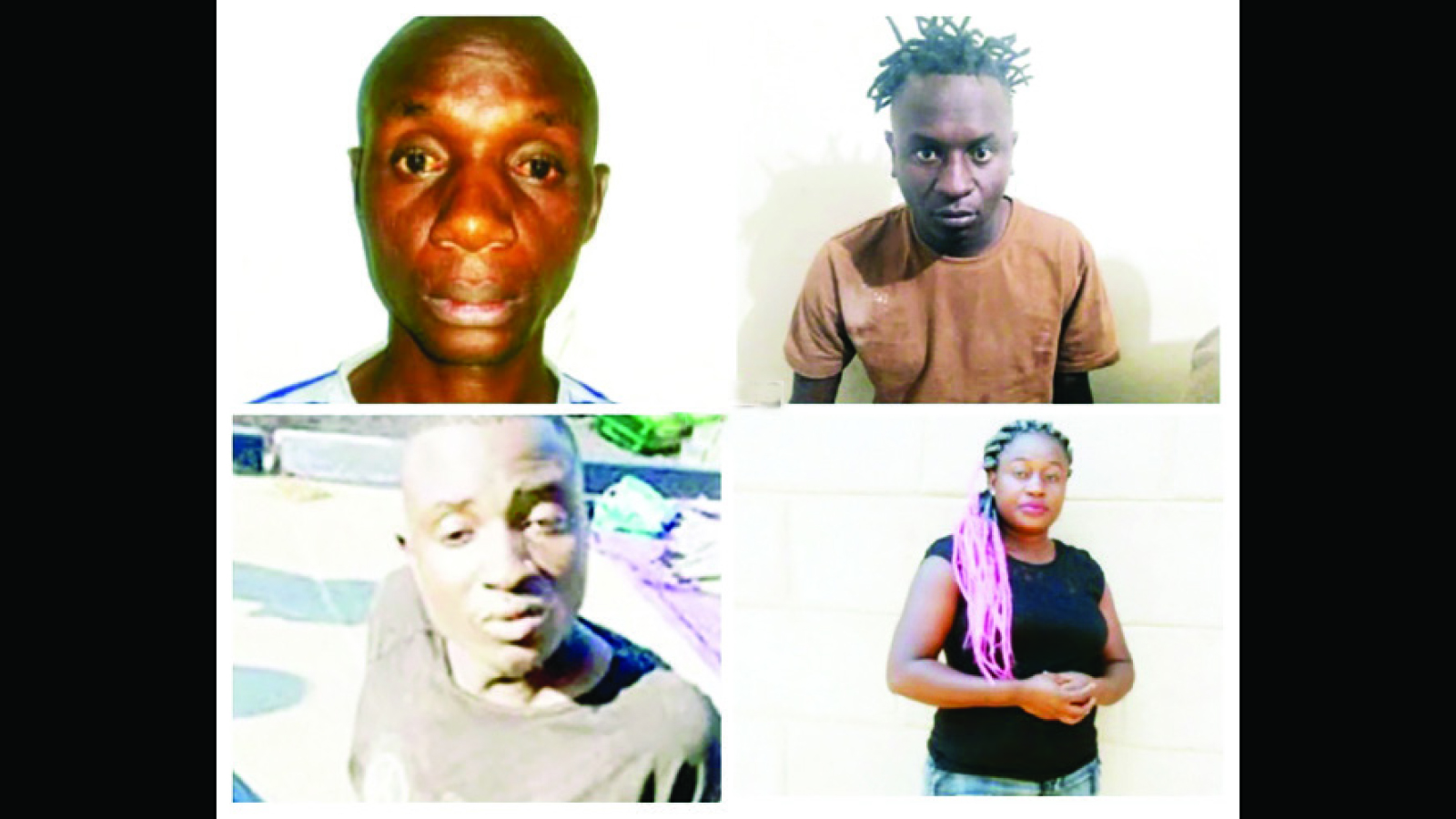
The same year, Leona, Musafare and Liberty were arrested for a string of armed robberies and unlawful entries targeting shops and gas outlets across the capital.
By August 2020, Liberty and Godfrey were once again behind bars after being caught in Beitbridge alongside suspected gang leader Musa Taj Abdul.
They were convicted of robbery and unlawful possession of firearms by a Harare magistrate.
Of spirits, superstition
Unlike the Vumbunus and the Mupamhangas — whose crimes are well-documented — Bla Matsotsi’s case blurs the line between fact and folklore.
His story has revived long-held beliefs that some criminals seek spiritual protection from traditional healers.
Traditionalist Sekuru Mudzamiri told The Herald: “Some criminals visit sangomas not to seek healing, but power.
“They believe the spirits can make them invisible to police or bullets. It’s misguided, but it happens more often than people think.”
Another traditionalist, Ambuya Nyashanu of Domboshava, agreed: “When people chase riches through crime, they come wanting charms for luck or protection. But those spirits eventually turn against them. No one escapes the consequences.”
Whether driven by desperation, greed, or faith in dark forces, such beliefs add a chilling layer to Zimbabwe’s organised crime networks — one that blurs the line between the mystical and the criminal.
Both the Vumbunu and Mupamhanga clans embody a disturbing new trend: family-based crime enterprises, where siblings — including women — play active roles in violent, high-stakes operations.
They operate in different cities, use firearms, and target currency dealers, shops, and high-value individuals. Their assets — trucks, houses, and luxury cars — tell of a life funded by the underground economy.
And while police files may show robbery and other violent crimes, the stories whispered in beer halls and on social media add another dimension — are of rituals, charms and spiritual fortification.
The truth, perhaps, lies somewhere in between the shadows where family loyalty meets criminal ambition, and where faith and fear merge in Zimbabwe’s ever-evolving underworld.