Online Reporter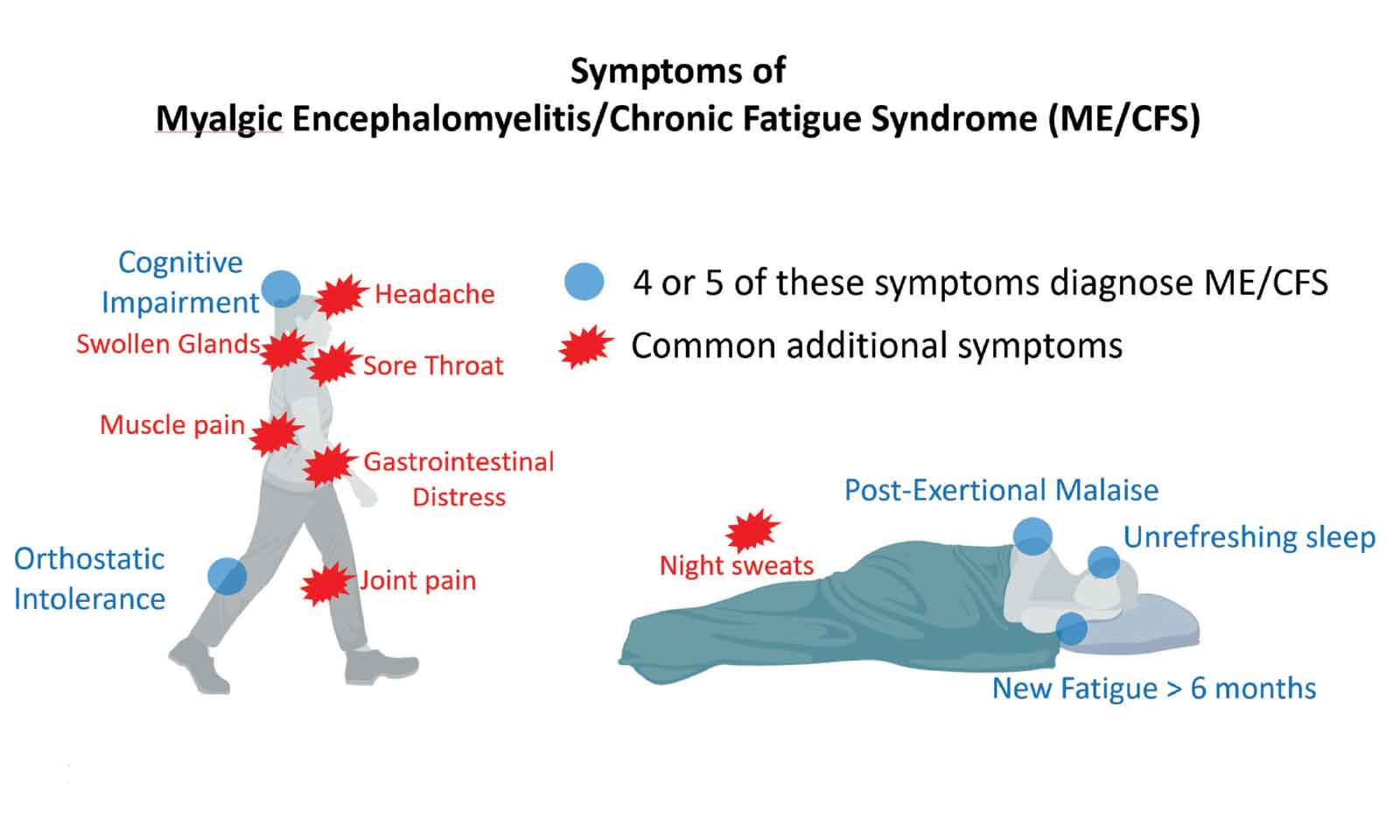
Rumbidzayi Zinyuke
Health Buzz
Almost everyone has, at some point, experienced symptoms they cannot quite explain. You wake up exhausted despite a full night’s sleep and push through the day, blaming stress, work or school.
But the fatigue lingers. Days stretch into weeks, and weeks into months. Your body begins to ache, your mind grows foggy, and even the simplest tasks like walking to the shops, attending class or preparing a meal, start to feel overwhelming.
For millions across the world, this is not just “being tired.”
It actually has a name.
This is a chronic, life-altering condition known as Chronic Fatigue Syndrome (CFS), also called Myalgic Encephalomyelitis (ME). Yet despite its devastating impact, it remains largely misunderstood, underdiagnosed, and often dismissed.
Globally, the condition affects a significant portion of the population, though exact numbers vary due to diagnostic challenges. Estimates indicate that prevalence hovers between 0.39 percent and 1.4 percent of the world population, depending on how it is measured.
This may appear small, but when scaled, it translates into tens of millions of people. Some estimates suggest up to 67 million people worldwide could be living with the condition.
But it is difficult to understand an illness without clear answers.
Chronic Fatigue Syndrome is not simply about tiredness. It is a complex, multi-system illness characterised by extreme fatigue lasting more than six months that is not relieved by rest. Those affected often experience what is known as “post-exertional malaise,” where even minor physical or mental effort leads to a worsening of symptoms.
Other symptoms include unrefreshing sleep, muscle and joint pain, headaches, memory problems, and difficulty concentrating—often referred to as “brain fog.” For many, the illness is disabling. Studies show that up to a quarter of patients may become housebound or bedridden at some stage, while more than half are unable to work.
Despite its severity, there is still no single test to diagnose CFS, no clearly defined cause, and no universally effective treatment. Diagnosis is typically made based on symptoms and by ruling out other conditions.
So why is it called a ‘medically unexplained illness’?
CFS falls into a broader category often referred to as medically unexplained illnesses or conditions where patients experience real, persistent symptoms, but standard medical tests fail to identify a clear cause.
This lack of clear biological markers has contributed to decades of confusion and controversy.
For years, many patients were told their symptoms were psychological or stress-related. While mental health can play a role, growing scientific evidence suggests biological factors are significant.
Recent studies point to possible links with viral infections, immune system dysfunction, hormonal imbalances, and nervous system irregularities. Emerging research has even identified genetic factors that may increase susceptibility, particularly those linked to immune and nervous system functioning.
The advent of the COVID-19 pandemic back in 2020 further complicated the picture. Many people who were experiencing “long Covid” reported symptoms nearly identical to CFS, suggesting that infections may act as triggers in some cases.
While global data provides some insight, the situation in Africa, including Zimbabwe, remains largely undocumented. There are no comprehensive national studies on CFS prevalence in Zimbabwe, and the condition is rarely diagnosed in clinical settings.
This does not mean it does not exist. Instead, it points to a gap in awareness, research, and diagnostic capacity.
Experts believe that many cases in low- and middle-income countries go unrecognised or are misdiagnosed as depression, stress, or general fatigue. In communities where access to specialised healthcare is limited, patients may not even seek medical attention, attributing symptoms to lifestyle or socio-economic pressures.
The lack of data also reflects broader health system priorities. In countries where infectious diseases such as HIV, tuberculosis, and malaria dominate the public health agenda, conditions like CFS, which do not have clear diagnostic tools or immediate mortality risks, receive less attention.
However, the impact on quality of life can be profound. Chronic fatigue can affect productivity, education, and family life, particularly among young people and women, who are disproportionately affected. Studies show women are up to twice as likely to develop the condition as men.
One of the biggest challenges with CFS is underdiagnosis. Even in high-income countries, a significant proportion of patients remain undiagnosed or misdiagnosed.
There are several reasons for this. Firstly, the symptoms overlap with many other conditions, including depression, anxiety, thyroid disorders, and autoimmune diseases.
Secondly, there is no single laboratory test to confirm the illness. Thirdly, awareness among healthcare providers is still limited.
This raises important questions for Zimbabwe and other African countries. How many people are living with chronic fatigue without knowing what it is? And how many are being treated for the wrong conditions?
Beyond the physical symptoms, people living with CFS often face disbelief and stigma. Because the illness is not visible and lacks clear diagnostic tests, patients may be told that “nothing is wrong.”
This can lead to frustration, isolation, and worsening mental health. Many patients report feeling dismissed by healthcare providers, employers, and even family members.
Yet evidence shows that the impact of CFS on quality of life can be as severe, or even worse, than conditions such as cancer or stroke.
This disconnect between severity and recognition is at the heart of why the illness remains neglected.
So what can be done?
Addressing chronic fatigue syndrome requires a multi-pronged approach, particularly in countries like Zimbabwe where awareness is low.
There is a need for greater public awareness. Understanding that persistent, unexplained fatigue could be a medical condition, not just stress or laziness, is a critical first step.
Healthcare worker training also needs to be strengthened. Doctors and nurses need to recognise the symptoms and understand how to manage the condition, even in the absence of specialised diagnostic tools.
More research is needed locally. Zimbabwe and other African countries must begin to document the prevalence and impact of medically unexplained illnesses to inform policy and healthcare planning.
Globally, scientists are also calling for increased funding into research. The lack of a clear cause or treatment reflects decades of underinvestment in studying the condition.
There is also a need to integrate such conditions into broader health policies, particularly those focusing on non-communicable diseases and mental health.
Chronic fatigue syndrome challenges the way we think about illness. It does not show up clearly on scans or blood tests. It does not always fit into neat medical categories. But it is real, and for millions, it is debilitating.
In Zimbabwe and across Africa, it may be hiding in plain sight. In the student who cannot keep up with school, the worker who is always exhausted, the mother who struggles with daily tasks but has no diagnosis.
For those living with chronic, unexplained fatigue, awareness alone can be life-changing. It offers something many have been denied for years.
Validation that what they are experiencing is not imagined, but a real and serious health condition that deserves attention, research, and care.
Feedback: [email protected]