


 Andrew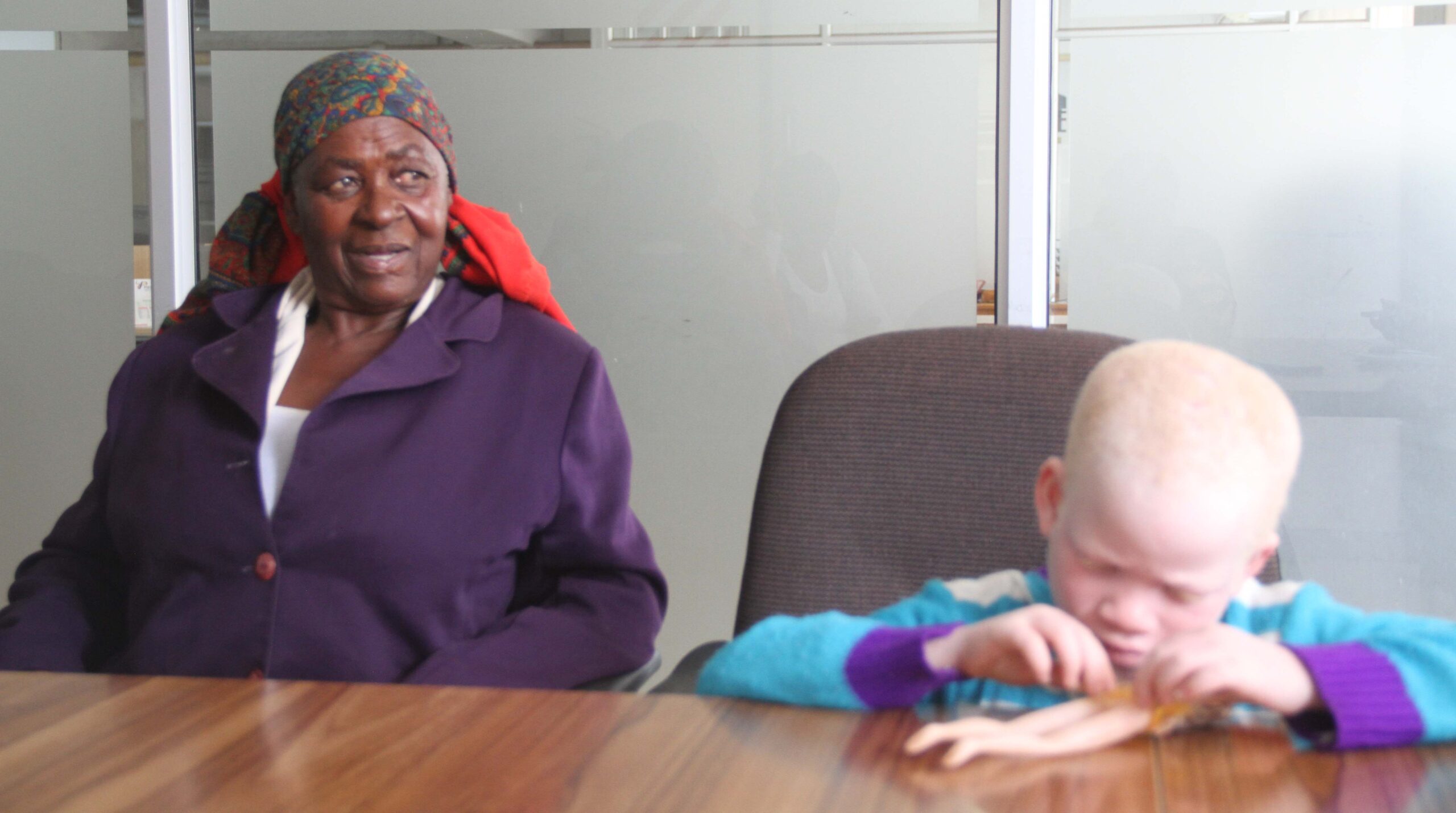
Rudo Mandiro
IT is often said not all heroes wear capes or carry big guns.
Sometimes, all it takes to be a hero is having the courage to choose what is right over that which is wrong.
In 2017, Emmanuel Nyekete accomplished what was a daring and selfless act that captures the true meaning of heroism.
Nyekete, who was living in Soweto, South Africa, engineered an audacious escape from the clutches of a gang of criminal wealth-seekers who wanted to “buy” his daughter, Ropafadzo, who was born with albinism.
She had barely turned two years when his father was approached by a gang of Tanzanian criminals who offered to purchase the toddler.
After being abandoned by his wife following the birth of their daughter, Nyekete continued with life in the South African township.
Unbeknown to him, his daughter had been targeted by criminals who wanted to “buy” her, ostensibly for ritual purposes.
His ordeal began when a group of men from the East African country began visiting his home offering an undisclosed amount of money and a fully-furnished house in exchange for his daughter.
Nyekete could not recount his nightmarish ordeal to The Sunday Mail during a recent visit to the family’s home in Unit D, Chitungwiza.
Apparently, he had a mental meltdown sometime last year.
His mother, Lorraine Kanengoni, however, narrated in horrifying detail how his son bravely escaped with his daughter upon realising that the child’s life was in danger.
“It all started when Emmanuel was abandoned by his wife,” said Gogo Kanengoni.
“He started getting random visits from some Tanzanians who offered a lot of money and a fully-furnished house in South Africa in exchange for his daughter, Ropafadzo, who is living with albinism.
“This terrified him because it was something he had never experienced.
“He had not heard of anything like this back here in Zimbabwe.
“He brushed it off because he thought these were people who were just trying to scare him from the area.
“As the visits persisted in 2017, my son’s neighbours told him that this was real and that if he was not careful, the child could be kidnapped while playing with friends in the yard.”
Gogo Kanengoni added that the criminals went to the extent of offering to pay a “deposit” while he made up his mind.
To his eternal credit, Nyekete resisted the lure of filthy lucre.
Fearing for his child’s safety, he hatched an escape plan.
He decided to immediately sell his house and move back to Zimbabwe where his child would be safe.
“Luckily, with help from neighbours, a buyer was secured quickly.
“Now he had the money to help him escape from Soweto.
“He boarded a bus along with Ropafadzo to take them home to safety.”
This, however, was no ordinary journey home.
He dressed his daughter in an oversized attire that covered her entire body to avoid prying eyes because he did not know if the gang was tracking his movements.
At this point, fear was progressively turning into paranoia.
“I still remember my son arriving home around mid-day with Ropafadzo in his arms.
“Everyone looked at them in shock,” she went on.
“However, what I saw, in that moment, was a father who had the passion and heart of a mother.
“I embraced them and told him that they were safe now.”
Once in the safety of their home, Nyekete and Gogo Kanengoni were advised to seek assistance from the Albino Charity Organisation of Zimbabwe, a non-profit organisation that offers support services to people with albinism.
“I would like to extend my gratitude to the Albino Charity Organisation of Zimbabwe for helping us when we told them our story.
“Ropafadzo’s life has never been the same, as the organisation ensures that she never lacks anything,” said Gogo Kanengoni.
The organisation’s executive director, Ms Loveness Mainato, said Ropafadzo’s ordeal was only a tip of the iceberg.
“The story of Ropafadzo is one of the many stories that we deal with at our organisation.
“It brings to light the terror and shameful traditions practiced by some people who think killing albino children brings wealth,” said Ms Mainato.
“What is even scarier is that these things still exist in this day.
“People with albinism in countries like Tanzania live in fear of witchdoctors, who crave their body parts.”
Trafficking of people with albinism is commonplace in countries such as South Africa, Malawi and Tanzania.
Reports say victims are kidnapped and then dismembered by hired killers.
Most of these attacks are occasioned by rising demand for body parts of people with albinism by witchdoctors.
The traffickers believe the hair, bones, genitals and thumbs of people with albinism have distinct powers that bring wealth and success.
According to some sources, a child with albino can cost as much as US$75 000 in Tanzania.



 Online Reporter