Online Reporter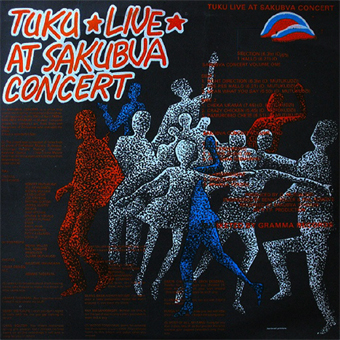
Liberty Dube
Entertainment Correspondent
THE last song always belonged to the birds.
As dawn crept over Sakubva Stadium, the unmistakable opening chords of “Sawara” rolled across the packed terraces.
Simon Chimbetu had been on the stage for hours, pouring every ounce of energy into a performance that had turned an ordinary night into folklore.
Then, almost as if rehearsed by nature itself, flocks of pied crows — sawara in Shona, scientifically known as Corvus albus — glided above the stadium, their black wings cut with striking white bands across the chest.
The crowd erupted.
It was the perfect ending.
Chimbetu’s 1997 classic from the Survival album had become more than a song. In Sakubva, it was a sunrise ritual.
Ironically, entertainment venues were required by law to close at 11.30pm. Yet on rare and unforgettable nights — especially at Sakubva Stadium — the music seemed to negotiate its own truce with time. Those were the years when Sakubva was not simply a suburb of Mutare.
It was Zimbabwe’s heartbeat. Long before nightlife exploded in Mutare’s city centre with clubs such as Little Swallow, The Place, Paradise and Gullivers in the late 1990s, Sakubva had already written the blueprint.
It remained the undisputed entertainment capital of the eastern border, refusing to surrender its crown. If you were not at Maoresa Night Club, tucked among the famous Blocks, chances were you were at Little Swallow — now Club Mandisa — or deep in the legendary Old Location, where the infamous “Kung Fu Clubs” earned their reputation for strict discipline. Rules were rules. Security never hesitated to restore order.
People travelled from far and wide to experience Sakubva’s nightlife — some even from Harare.
Friday evenings belonged to the council bars: Mushando, Matida, Murapa, Rufaro — where Bako Flea Market now stands — and Maonde.
After a week of hard labour, workers loosened their collars as local bands such as Sounds of the Hardworkers, Hosiah Chipanga, and Two Keys, led by Lamerk Mutero, filled smoky rooms with infectious rhythms.
Bottles clinked. Laughter rose. Friendships were renewed — before Saturday promised something even bigger. And when a poster announced: “Simon Chimbetu Live at Sakubva Stadium,” the entire suburb — and the city beyond — shifted its rhythm.
By morning, anticipation was already visible.
Barbers worked overtime. New shirts emerged from wardrobes. Shoes were polished until they caught the afternoon sun. Vendors gathered around the stadium gates long before midday. And above it all loomed the giant Black Giant PA System, its towering speakers like monuments announcing the coming storm of sound.
When System Tazvida arrived with Black Giant’s equipment, many in the crowd witnessed wireless microphones for the first time. Until then, artistes performed tethered to long cables. Suddenly, performers moved freely across the stage, dancing, spinning, and engaging the crowd without restriction. It felt like the future had arrived in Sakubva.
There was always humour too.
The stadium gates were famously porous. Youngsters perfected imitation entry stamps with astonishing precision. Some slipped through. Others were caught by the ever-watchful bouncers.
Among them stood the imposing Mukoma — Master Jonso — whose presence alone discouraged trouble. Another respected enforcer, Elder Zale, now 62, recalls those nights with pride:
“People came for one thing—the music. There was order. Security was firm, but everyone understood why they were there,” he said.
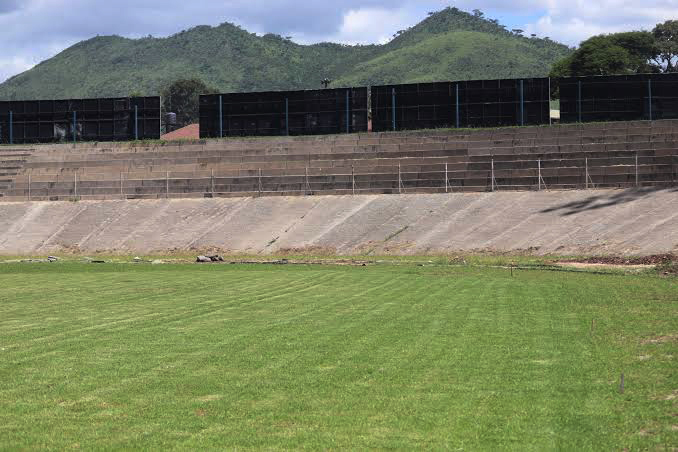
Inside, Sakubva Stadium transformed into Zimbabwe’s greatest open-air theatre.
Ocean City Band delivered polished brilliance, while the seasoned guitarists of MAZE displayed technical mastery.
The late James Chimombe also graced the stage with Ocean City Band, adding another luminous chapter to the township’s musical heritage.
Almost every giant of Zimbabwean music passed through Sakubva: Thomas Mapfumo, Marshall Munhumumwe, Safirio Madzikatire, John Chibadura, Tongai Moyo, Leonard Dembo, Alick Macheso, Oliver Mtukudzi, The Four Brothers, and many more.
One unforgettable gig paired Simon Chimbetu with R & K African Sounds in the late 1990s.
With Macheso absent despite being billed, R & K warmed the crowd before Chimbetu delivered a marathon performance that stretched deep into memory — and into dawn.
The stadium was equally generous to international stars.
In the early 1990s, Congolese legend, Dr Sakis (Nsakala Emmanuel) brought Kinshasa to Sakubva.
His soukous guitar, Afrobeat rhythm, and electrifying dance moves turned the stadium into a swirling sea of movement. Every shoulder swayed. Every waist responded.
If an artiste wanted to conquer eastern Zimbabwe, Sakubva was the proving ground.
Then came Yondo Sister, the queen of rhumba and kwasa-kwasa. Supported by System Tazvida, Marshall Munhumumwe, the Four Brothers, and South Africa’s Soul Brothers, she turned Sakubva into a continent-wide dance floor where Zimbabwean and Congolese rhythms fused effortlessly.
Yet perhaps no performer commanded anticipation like Oliver Mtukudzi.
When he finally walked on stage, guitar resting calmly across his shoulder, the stadium fell silent.
Around 1989, Sakubva hosted one of Zimbabwe’s earliest live concert recordings when Tuku mesmerised thousands, even acknowledging The Manica Post during his set. It was not just a performance; it was history being preserved in real time. Festivals deepened the magic.
The Jairos Jiri Fete each June and July brought Paul Matavire, the Jairos Jiri Band, and a host of supporting acts.
Black October united Zimbabwe’s finest musicians, including Mystic Roots, Ilanga, and others, turning Sakubva into the nation’s eastern musical capital.
The old fence eventually gave way to a precast wall after isolated incidents of unrest, but the spirit never changed.
Entertainment extended beyond music.
Sakubva Beit Hall became home to bhaisikopo.
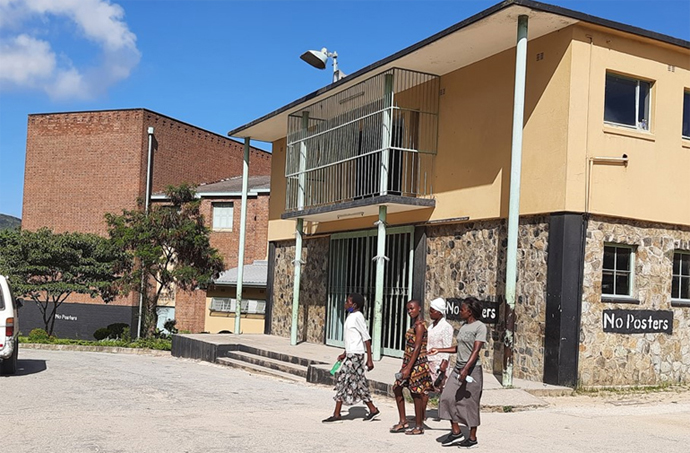
Powered by Chikalipo Films, projectors flickered against makeshift screens in churches and halls as residents watched In the Line of Duty and classic D&B films. For many, cinema arrived not through television — but through dust, folding chairs, and flickering light.
Senior resident, Penjeni Chirova, remembers:
“We would watch them at a nearby church. Those movie nights were just as exciting as the concerts,” he said.
But Sakubva also reflected its era’s harsh realities.
The HIV and AIDS epidemic cast a long shadow. The word “mukondombera” entered daily language as fear, stigma, and loss spread through communities. Medicine was scarce. Lives were cut short. Beneath the joy of nightlife lay a quieter, painful story of survival.
Veteran musician, Pius Makokowe, whose career began in the late 1960s, still carries those memories.
A former member of the Great Sounds, and founding figure of the Acid Band, he rose to fame in 1969 with “Anopenga Anewaya” and its flip-side, “Connie”.
“Whenever I was in Mutare, I never missed Sakubva. Whether it was Simon Chimbetu, Dr Sakis, Yondo Sister, or Oliver Mtukudzi, the audiences were among the most passionate in Zimbabwe,” he said.
Today, nightlife is louder, brighter, and stretches into the early hours, powered by screens and social media.
Back then, it was different.
By 6pm, queues had already curled around the stadium fence. Hawkers balanced roasted maize on their heads. Boys weaved through crowds selling freezits, also called centercool, from plastic buckets. The smell of grilled meat drifted through the air as sound checks from Black Giant speakers drew cheers from those still outside. Sakubva never cared who you were.
Builder or banker. Teacher or trader. Rich or poor.
Once the lights came on and the first guitar chord echoed through Black Giant speakers, everyone became equal. Social status dissolved into rhythm. Even now, decades later, mention Sakubva to those who lived through its golden era and their eyes still light up.
Because before the birds welcomed another dawn with the soaring notes of “Sawara,” there was a time when Sakubva truly was Zimbabwe’s headquarters of entertainment — the pleasure capital where every weekend became another unforgettable chapter in the country’s musical memory.