Online Reporter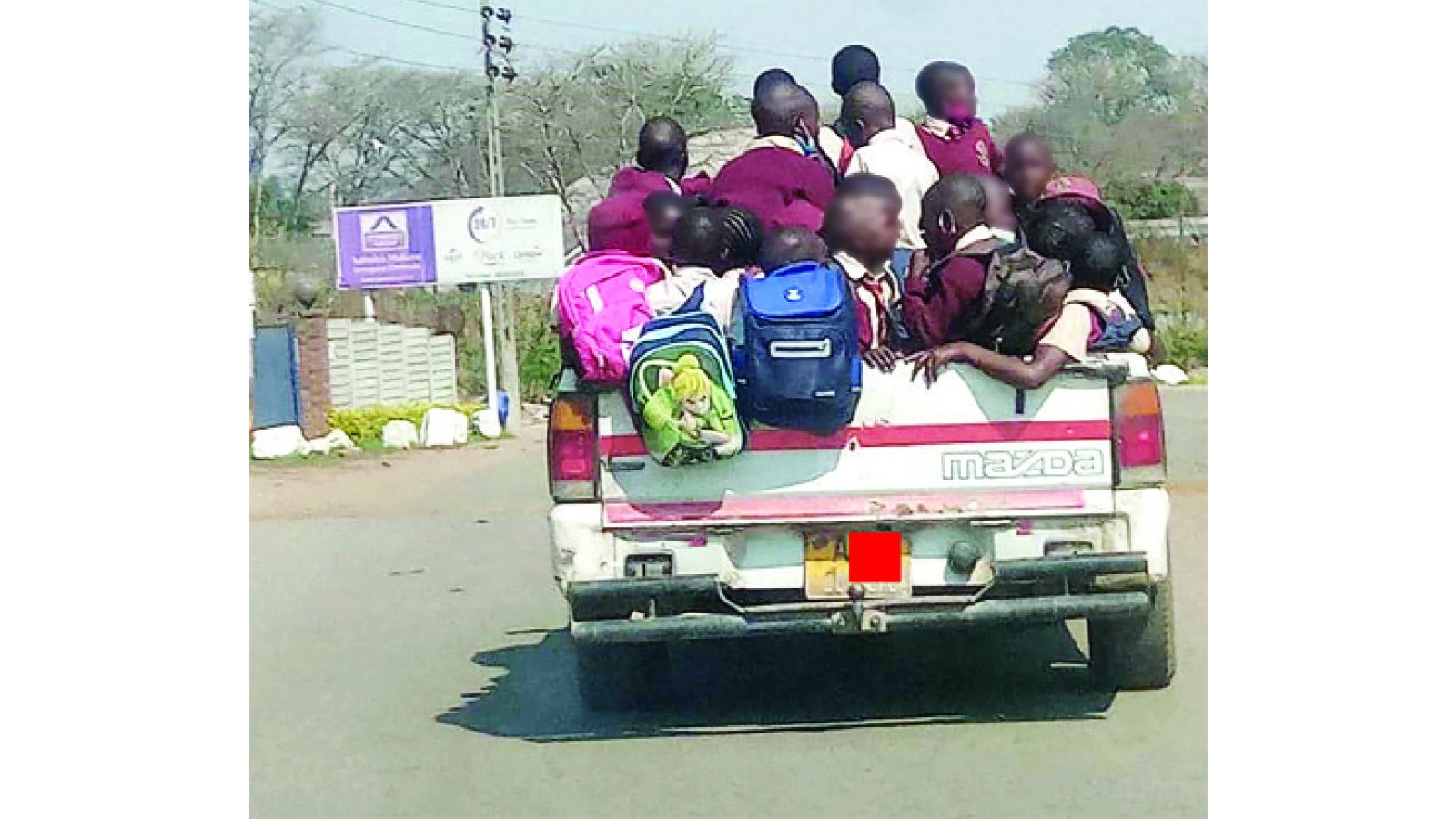
Veronica Gwaze
TENDEKAI SAMBO stood at the gate of her Budiriro home on a Monday morning watching her son board the “school bus”.
Since it was the beginning of a new week, she had to pay the required US$6 fare.
For the young mother of one, the thought of little Jayden navigating the chaotic streets of Harare alone was unbearable.
Like countless other parents in similar circumstances, Sambo’s only wish was for her child’s safety — entrusted to a commuter omnibus driver turned school transporter.
However, what was once considered a safe daily trip for learners has recently become a potential death trap.
Many of the vehicles transporting the minors are increasingly becoming dangerously overloaded.
This often occurs without the knowledge of parents and school authorities.
Recklessness
At the intersection of Lorraine Drive and Harare Drive, an overloaded Nissan Elgrand approached from the Westgate direction.
As it pulled up to drop off a learner, The Sunday Mail Society observed that the passengers were packed tightly like sardines.
Some children were even sitting on others’ laps.
To avoid prying eyes, the learners had been instructed to take turns holding pieces of cloth that were used as improvised vehicle curtains, raising serious concerns about their safety and rights.
In Kambuzuma, at Shalom Junior School, learners were seen being crammed into a commuter omnibus as they prepared to return home.
About 24 learners boarded the white omnibus (registration number withheld).
Following a tip-off, The Sunday Mail Society visited Warren Park and observed an overloaded Honda Fit dropping off learners at Wezhaz shops.
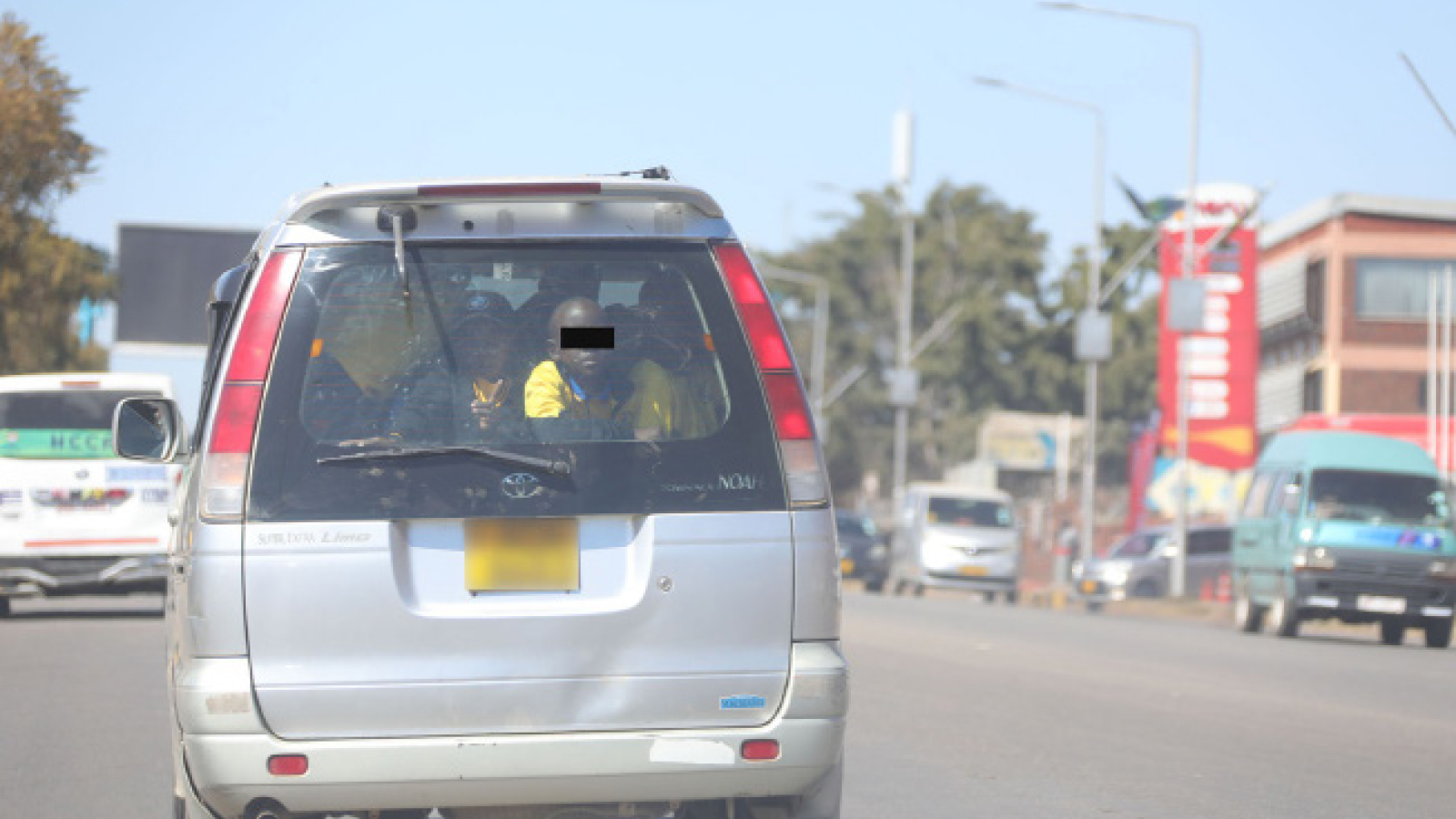
At least 11 primary school learners alighted from the small vehicle.
Moments later, the seemingly intoxicated driver — his car radio blaring — recklessly sped off.
“This has been happening almost every school day, which is why we had to call you to come,” said Stella Mamina, a shop employee.
“These children are picked up here every morning and dropped off around midday. Sadly, most parents are unaware of this situation. It worries me.”
Some parents are fully aware of the risks their kids face every day but they still opt for the same transporters, who lure them with affordable fares ranging between US$20 and 25 per month.
A parent from Chitungwiza said this mode of transport gave her a sense of safety for his children’s commute.
“I have two children who use this mode of transport. As parents, we make sure to observe closely and any anomalies we notice, we immediately raise the alarm,” he said.
“We got the school transportation vehicle through the school and made the owner sign a contract so we can hold him accountable for anything that happens to our children.”
But many of these arrangements, between parents and vehicle owners or drivers, are informal.
Many transporters have been spotted speeding, driving recklessly, overloading their vehicles and even operating while intoxicated.
The very vehicles entrusted with children’s safety have become potential death traps, prompting a desperate call for urgent intervention from both parents and the authorities.
Even more troubling, some operators are allegedly linked to school authorities who receive a percentage of the fares — raising serious ethical and safety concerns.
Concern
There are also concerns over bullying, especially among secondary school learners, including alarming reports of drug and substance abuse.
“We had a situation involving drug and substance abuse. Parents reported the matter to the school and two learners were suspended,” said Mrs Maisiri, a concerned parent.
“The vehicle had a contract with the school, so our issue was easier to handle. Since then, the school now provides a teacher to accompany every school run.”
Zimbabwe Republic Police spokesperson Commissioner Paul Nyathi said school transporters are considered public transport operators and must meet the same legal requirements.
“Ferrying schoolchildren is no different from operating public transport. There are safety requirements that must be met, chief among them being possession of a valid driver’s licence, undergoing retesting where necessary and holding a defensive driving certificate,” he said.
“Failure to meet these requirements should result in arrest.”
He further warned that drivers of small vehicles operating without proper authorisation are committing a criminal offence — one that could lead to imprisonment.
“Overloading is also a crime in itself. It endangers public lives,” added Commissioner Nyathi.
The Traffic Safety Council of Zimbabwe (TSCZ) is preparing to launch a nationwide operation aimed at curbing the misconduct of school transporters.
“It is a cause for concern and we must act urgently to prevent future danger,” said a TSCZ representative.
“Some wayward drivers have already been arrested and now we are ready to go all out and put this problem behind us.”
Permanent Secretary in the Ministry of Primary and Secondary Education Moses Mhike emphasised that learner safety must be a top priority.
“Ordinarily, parents should not engage a school-run vehicle without involving the school, because certain requirements must be met by all parties for accountability,” he said.
“As a ministry, we have received reports and are actively engaging schools to restore sanity.”
The ministry is currently working with provincial education directors to develop solutions that will foster a safer and more structured environment for learner transportation. Schools, he added, are being encouraged to raise funds and purchase their own buses to eliminate reliance on private transport operators.
“We want every school to own a bus and use it to ferry learners. This way, it becomes easier to hold the school accountable,” he
said.
“Schools do not hire unlicensed drivers and school employees follow strict rules, so tracing accountability in cases of misconduct becomes straightforward.”