

 daniel chigunwe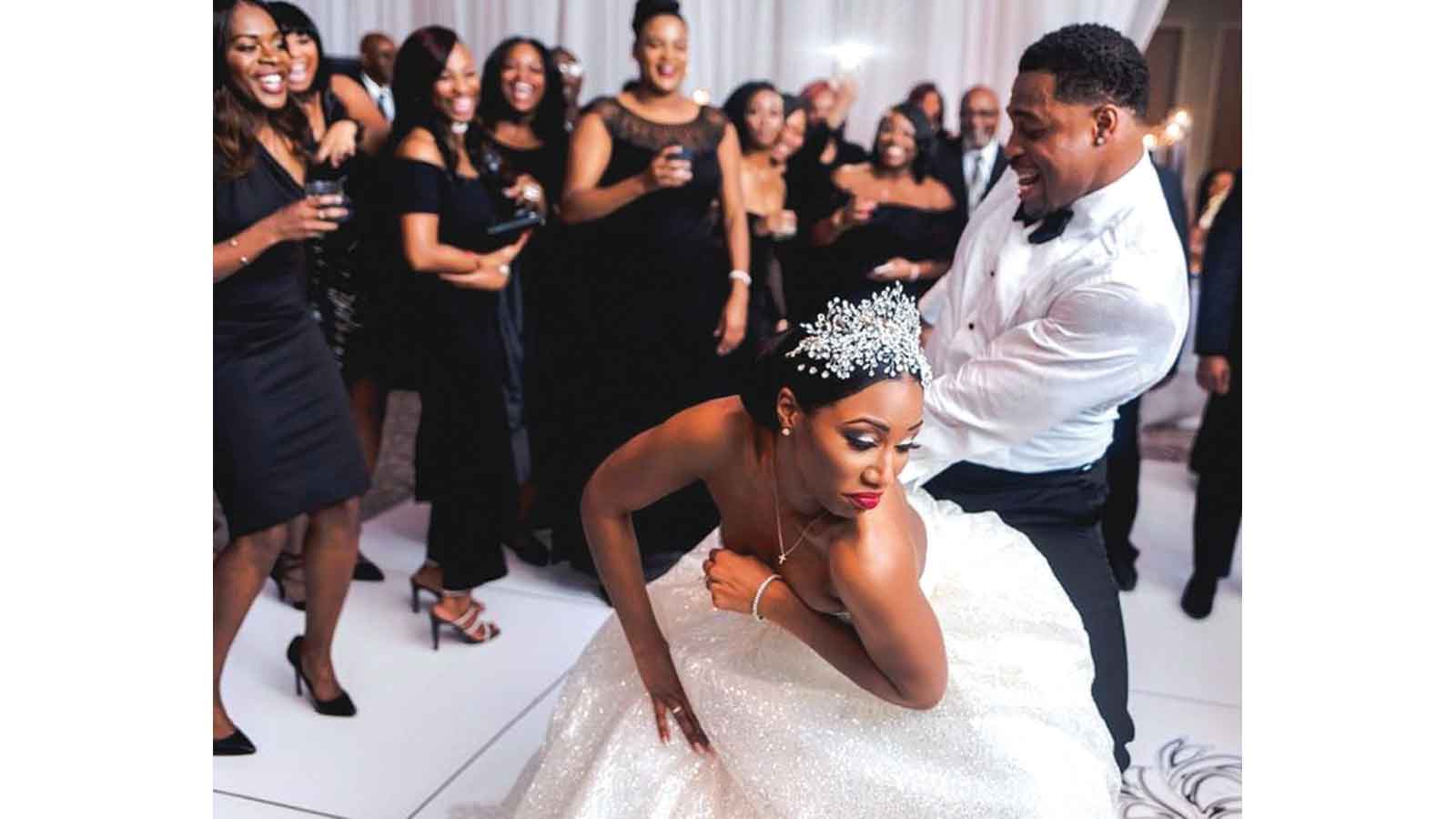
Theseus Shambare
Lifestyle Correspondent
“CULTURE is not a prison. It is a compass.”
Those words, spoken by poet and social commentator Tatenda Chinoda, capture a growing unease about how weddings — once among the most dignified rites of passage in Zimbabwean society — are being transformed into spectacles where shock value increasingly outweighs meaning.
The concern is not about joy or celebration, but about what is lost when ritual becomes performance and intimacy is traded for applause.
Not long ago, a Zimbabwean wedding was a carefully choreographed social ritual.
From (roora) lobola negotiations conducted with measured language, to solemn counsel offered behind closed doors by aunts and uncles, marriage was not merely a celebration of love.
It was a public affirmation of dignity, continuity and communal values.

Today, however, the drumbeat has changed — and many elders fear the dance is outrunning the drum.
Across social media platforms, wedding videos now circulate not as records of joy and reverence, but as content engineered for virality. In one clip that went viral, a bride places a piece of wedding cake on her chest while her groom bends forward to retrieve it with his mouth, to cheers from the crowd.
In another, a bride theatrically was dancing suggestively as the groom stoops and disappears beneath her gown.
What once would have been unthinkable in a public matrimonial setting is now framed as “modern”, “fun” and “trending”.
Zimbabwe is not alone in this shift.
Internationally, weddings have increasingly become curated entertainment events shaped by Instagram, TikTok and celebrity culture.
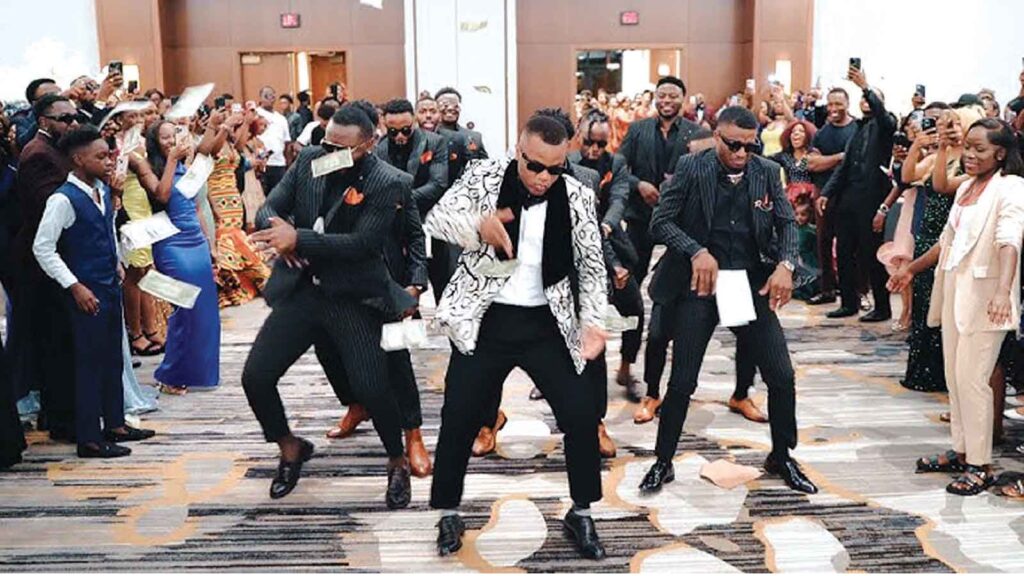
In Hollywood, several high-profile weddings have pushed the boundaries of tradition.
Pop star Miley Cyrus’ short-lived marriage to actor Liam Hemsworth was preceded by a highly unconventional ceremony that rejected most formal customs, while rapper Kanye West’s multiple headline-grabbing wedding theatrics — including masked appearances and performance-style vows — blurred the line between sacred ritual and staged art.
Even more striking was the Las Vegas wedding culture embraced by some celebrities, where ceremonies are treated as impulsive, disposable experiences rather than solemn covenants.
While these spectacles are often defended as expressions of individuality, critics argue they have helped normalise the idea that marriage is a temporary performance rather than a lifelong commitment.
Back home, that global influence is increasingly visible — but often without the cultural guardrails that once moderated excess.
In some shocking instances, even the marriage officer — often a pastor — has been caught on video delivering uncensored sermons before the congregation, using explicit language and gesturing physically to his own wife, ostensibly to demonstrate what he expects the groom to do in private.
While such lessons may be intended to communicate marital intimacy, the platform and public nature of these demonstrations have left many questioning the boundaries of propriety.
Yet these performances unfold in the presence of vanyarikani — the very people who, in Shona culture, command the highest respect and restraint: tezvara and ambuyas (parents-in-law), amwene (mothers-in-law) and elders whose role is to witness, guide and safeguard the sanctity of the union.
Traditionally, certain gestures, words and conduct were strictly regulated in such company, guided by the principle of kunyara — a moral discipline that preserved dignity, boundaries and mutual respect.
The erosion of this restraint, critics argue, signals not confidence or progress, but a troubling loss of cultural conscience, where private intimacy is performed publicly before those it was once forbidden to offend.
Traditional leaders say these excesses are not isolated incidents but symptoms of a deeper cultural breakdown.
Headman Lookman Gondo, under Chief Nyandoro, argues that the erosion of traditional structures has stripped marriage of its moral guardrails.
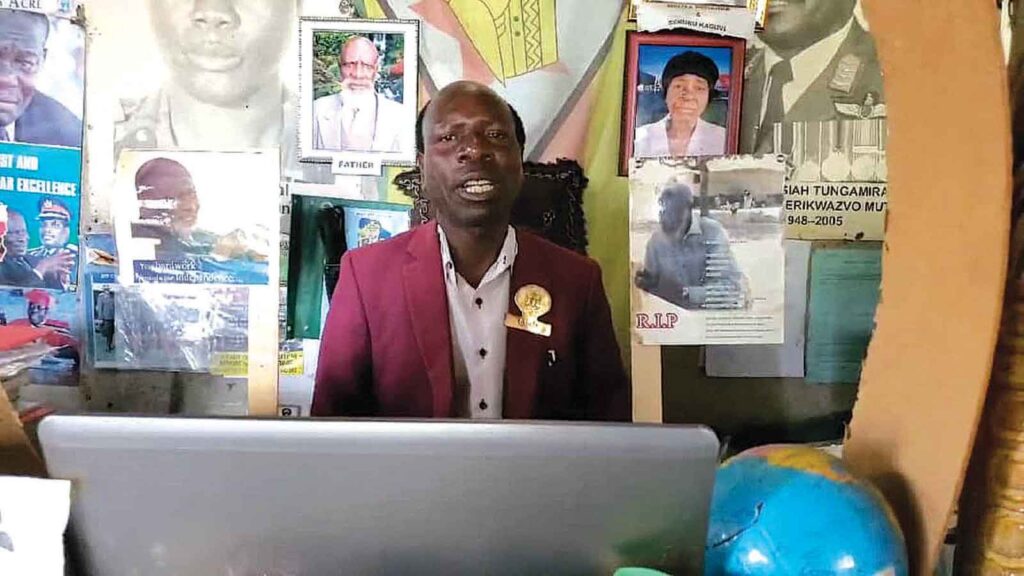
“A wedding is not a stage show,” he says.
“It is a covenant witnessed by the living, the ancestors and the unborn. When the traditional setup collapses, people replace wisdom with spectacle.”
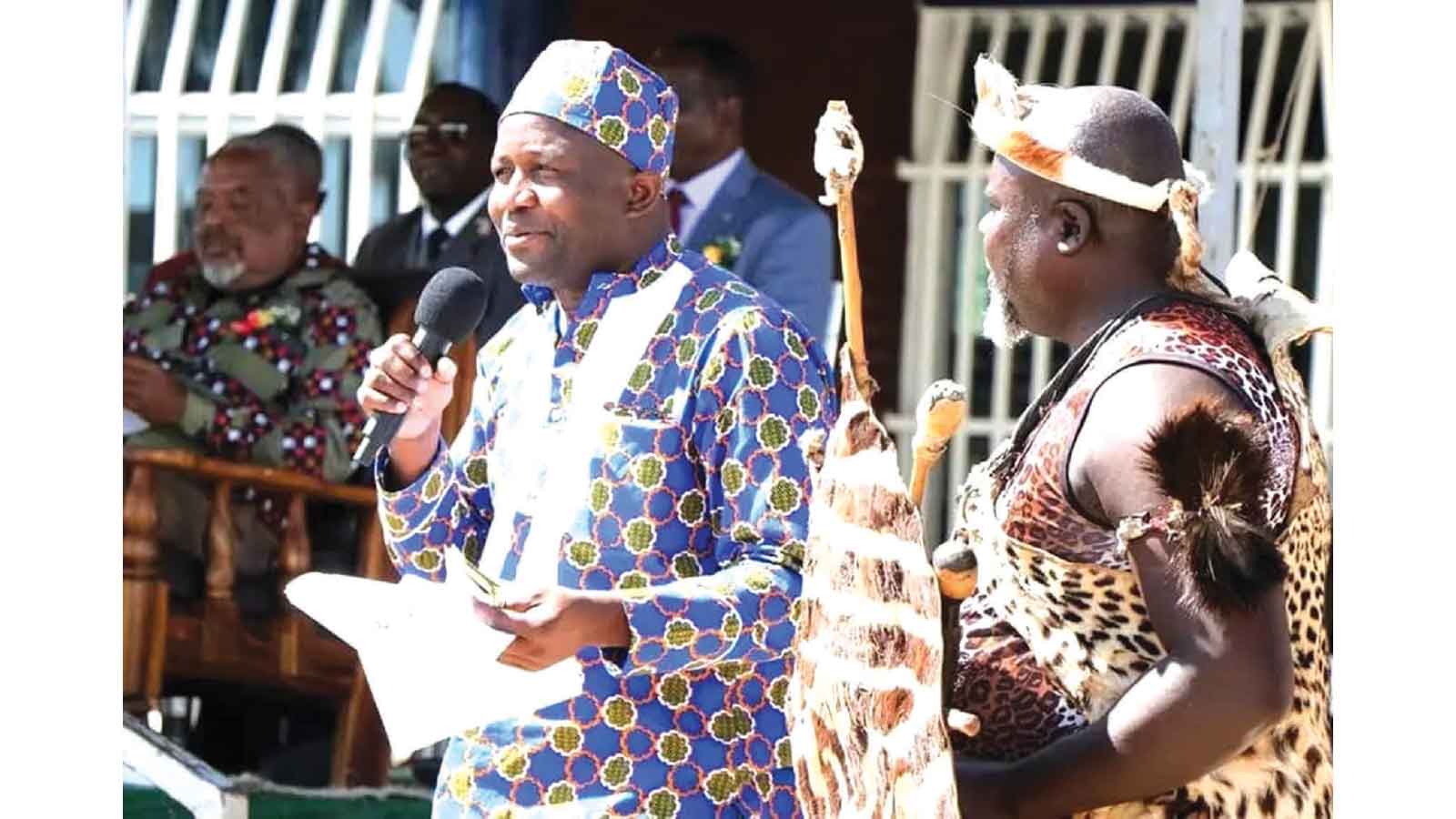
Similar sentiments are echoed by Chief Chundu of Hurungwe District, born Abel Mbasera, who warns that the loss of communal accountability has left young couples exposed.
“Marriage used to be prepared for, not improvised,” he says. “What we are seeing is the result of cutting the roots and expecting the tree to stand.”
In the traditional order, preparation for marriage was deliberate and gendered, but not exploitative. Girls and brides-to-be were guided by aunts (vatete), who taught them about intimacy, respect and conflict resolution in ways appropriate to their age and cultural context. Boys and grooms were counselled by uncles (sekuru), who explained responsibility, restraint and, where necessary, provided traditional remedies believed to strengthen marital harmony.
These were private spaces, shielded from public gaze and governed by elders with moral authority.
Today, those roles have increasingly been assumed by people who were never meant to occupy them. Pastors, prophets and casual acquaintances now offer intimate advice, sometimes in public forums or sensationalised settings. In the process, discretion has been lost and what was once sacred instruction has become performance.
Renowned poet and social commentator Tatenda Chinoda views this as a dangerous confusion of freedom with abandonment of values.
“Culture is not a prison,” he says. “It is a compass. You can innovate, you can adapt, but when you mock the very rituals that hold society together, you are not being progressive — you are being careless with inheritance.”
Cultural advocate and popular television talkshow host, Rebecca Chisamba, popularly known as Mai Rebecca Chisamba, has long warned against equating modernity with cultural amnesia. While acknowledging that societies evolve, she insists that change must not erase foundational norms.

“New things will always come,” she says, “but culture must be preserved. Without it, families weaken, and when families weaken, the nation suffers.”
Underlying this shift is a broader social transformation. The age-old belief that “it takes a village to raise a child” has quietly eroded. In its place is a fragmented upbringing shaped by screens, algorithms and imported ideas that often clash with local values.
Anything foreign is readily celebrated as being “in touch with the times”, while those who question it are dismissed as backward.
Marriage itself has become a target of cynicism.
Phrases like “zve marriage ndezvekushaya” — marriage is for those who have failed — are increasingly common, as is the casual boast “ndakungoita zvemjolo”, signalling a preference for non-committal relationships.
Yet popular culture also reveals cracks in this bravado. A recent hit song, Door ratovharwa by Donator Calvins, struck a chord with Generation Z listeners. Its refrain — “zvemjolo zvaramba” — suggests that casual unions often collapse when confronted with responsibility, hardship and time. The song’s popularity hints at a quiet recognition that what is being rejected may still be deeply needed.
The consequences of this cultural drift are no longer abstract.
Zimbabwe recorded 3 214 divorce filings in 2024, up from 2 149 in 2023.
Harare accounted for the largest share, with 1 945 cases, followed by Bulawayo with 825.
The judiciary has expressed concern, citing infidelity, communication breakdown and gender-based violence as the leading causes. Notably, more women are now initiating divorce — a shift that reflects changing social dynamics but also mounting strain within marriages.
These figures matter because marriage is not merely a private affair. Section 25 of the Constitution obliges the State to protect and foster the institution of the family, recognising that stable families underpin social order, child welfare and national development. This is why divorce proceedings fall under the Matrimonial Causes Act (Chapter 5:13), even for unions solemnised under customary law.
Irretrievable breakdown is rarely sudden. It is the slow unravelling of emotional and practical bonds. Prolonged conflict erodes affection, poor communication breeds distance and while emotional disconnection does not automatically lead to infidelity, it often creates fertile ground for it.
When marriages collapse, children are frequently left to navigate life from fractured homes, carrying emotional and financial scars that can last a lifetime.
Against this backdrop, the transformation of weddings into spectacles of sexualised entertainment appears less like harmless fun and more like a warning sign. If the entry point into marriage is stripped of dignity and communal accountability, what does that signal about the journey ahead?
Traditional leaders, cultural commentators and artists are not calling for a return to rigid or oppressive norms. Rather, they are urging balance — a reclaiming of dignity, sanctity and context. Weddings can still be joyful, creative and reflective of contemporary realities, but they need not mock the very institution they inaugurate.
As Zimbabwe grapples with rising divorce rates and shifting social values, the question is no longer whether culture should change, but how. If the drum of tradition is silenced entirely, the dance may continue — but without rhythm, direction or meaning.
Feedback: X @TheseusShambare



 Online Reporter