Online Reporter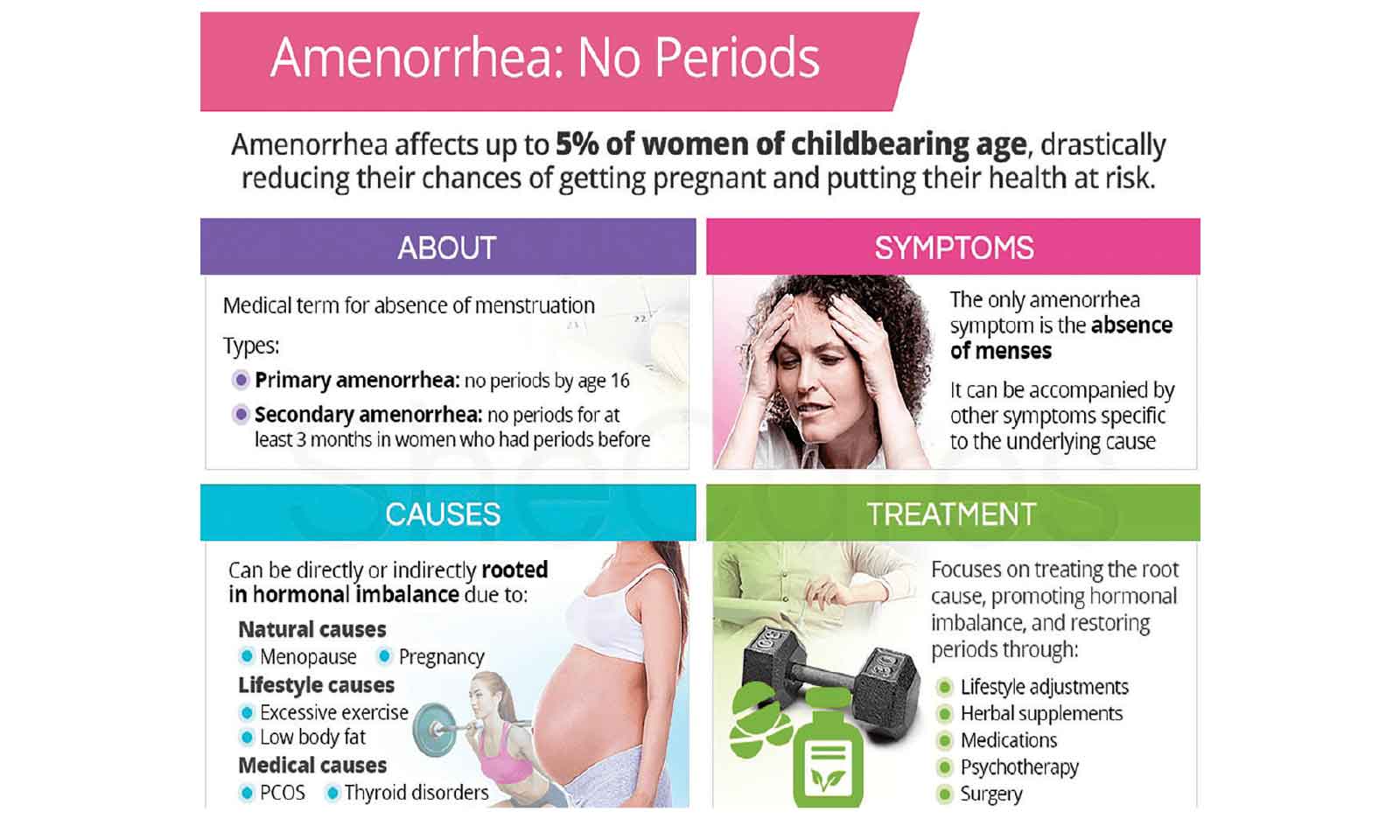
Rumbidzayi Zinyuke
Health Buzz
For many women, the monthly period is so familiar that it is almost taken for granted.
It can be inconvenient, uncomfortable and sometimes painful, yet its regular arrival quietly reassures many that all is well.
That is why its sudden disappearance often raises alarm.
A missed period is usually blamed on pregnancy, stress or ‘hormones that will fix themselves’. But when weeks turn into months, the silence of the menstrual cycle can point to a deeper issue.
Amenorrhoea, the absence of menstruation, is more common than many realise. It affects adolescent girls, young women and even those approaching midlife. Yet it remains poorly understood, often dismissed or hidden behind stigma and misinformation.
In a society where menstrual health is still whispered about, many women delay seeking help, unaware that amenorrhoea is not a disease on its own but a warning signal that deserves attention.
In medical terms, amenorrhoea is divided into two broad categories. Some girls reach their mid-teens without ever starting menstruation, a condition referred to as primary amenorrhoea.
Others experience secondary amenorrhoea, where periods that were once regular suddenly stop for several months. Outside of natural life stages such as pregnancy, breastfeeding or menopause, the absence of periods is usually the body’s way of saying something is out of balance.
Menstruation is closely tied to a finely tuned hormonal system involving the brain, ovaries and uterus. When this system is working well, hormones rise and fall in a predictable rhythm, leading to ovulation and monthly bleeding. When that rhythm is disrupted, periods can become irregular or disappear altogether. The causes of this disruption are many, and they often reflect the pressures women’s bodies are under in everyday life.
One of the most common underlying factors is hormonal imbalance. Conditions such as polycystic ovarian syndrome, commonly known as PCOS, affect many women of reproductive age and are a frequent cause of missed periods.
PCOS is linked to excess male hormones, irregular ovulation and metabolic challenges, and it often presents alongside symptoms such as acne, weight gain and difficulty falling pregnant.
Thyroid disorders, whether the gland is overactive or underactive, can also interfere with menstrual cycles, reminding us how interconnected the body’s systems are.
Beyond medical diagnoses, stress has emerged as a powerful disruptor of menstrual health. Emotional and psychological stress, whether caused by financial hardship, academic pressure, relationship problems or grief, can interfere with the brain signals that regulate menstruation.
When stress becomes chronic, the body may suppress reproductive functions in an attempt to conserve energy for survival. In such cases, amenorrhoea is less about the reproductive organs themselves and more about the mind-body connection.
Nutrition also plays an equally critical role. The menstrual cycle requires adequate energy and nutrients to function properly. In adolescent girls, delayed or absent periods are often linked to undernutrition, whether due to food insecurity, restrictive dieting or eating disorders.
At the same time, excess body weight can also disrupt hormonal balance, leading to irregular or absent periods. This dual challenge reflects a growing reality in many communities, where undernutrition and obesity coexist, each carrying its own risks to reproductive health.
Physical activity, usually promoted as a pillar of good health, can also become a factor when taken to extremes. Women who engage in intense training or physically demanding work without sufficient rest and nutrition may experience what is sometimes referred to as exercise-induced amenorrhoea. In these cases, the body perceives the environment as too demanding to support reproduction and temporarily shuts down ovulation.
Chronic illnesses further complicate the picture. Conditions such as diabetes, kidney disease, HIV and tuberculosis can affect menstruation directly or indirectly through the strain they place on the body. Certain medications, including some used to treat mental health conditions or cancer, may also interfere with the menstrual cycle. Hormonal contraceptives, particularly long-acting methods, can cause periods to stop, a change that is often harmless but can be distressing if women are not adequately informed beforehand.
Less commonly, amenorrhoea may stem from structural or genetic factors, such as abnormalities of the reproductive organs or disorders of sexual development. These cases are usually identified early in life, but they highlight the diversity of pathways that can lead to absent menstruation.
Despite its many causes, amenorrhoea shares a common risk. It is often ignored.
Some women welcome the absence of periods, seeing it as a relief from monthly discomfort. Others fear seeking medical advice due to embarrassment, cultural beliefs or lack of access to healthcare.
The good news is that many cases of amenorrhoea are preventable or manageable. Supporting menstrual health begins with meeting the body’s basic needs. A balanced diet that provides sufficient energy, protein, healthy fats and micronutrients is essential, especially for growing adolescents.
Managing stress through rest, social support and attention to mental health is not a luxury but a necessity for hormonal balance. Physical activity should strengthen the body, not exhaust it, and should always be matched with adequate nutrition and recovery time.
Regular health check-ups allow hormonal or medical conditions to be identified early, before complications arise. Equally important is access to accurate, age-appropriate reproductive health information. When girls and women understand what is normal for their bodies, they are more likely to notice changes and seek care without fear or shame.
At a broader level, amenorrhoea exposes the gaps in how menstrual health is discussed and prioritised. In many communities, menstruation remains a taboo subject, leaving girls to learn about their bodies through whispers and myths.
This silence does not protect them; it leaves them vulnerable. Open conversations in homes, schools, churches and clinics can help normalise menstrual health as a vital part of overall wellbeing. Men and boys also have a role to play by supporting women and girls to access care and information without stigma.
Ultimately, amenorrhoea is not just about missing periods. It is about listening to the body and responding with care. When the monthly cycle falls silent, it is often telling a story of stress, imbalance or unmet needs. Paying attention to that story can safeguard not only reproductive health, but long-term physical and emotional well-being.
For women and girls, the message is simple but powerful: if your periods have stopped and there is no clear, natural reason, do not ignore it. Seek advice, ask questions and advocate for your health.
Menstrual cycles may come and go, but the right to understand and protect one’s body should never be absent.
Feedback: rumbidzai.zinyuke@zimpapers co.zw