admin
admin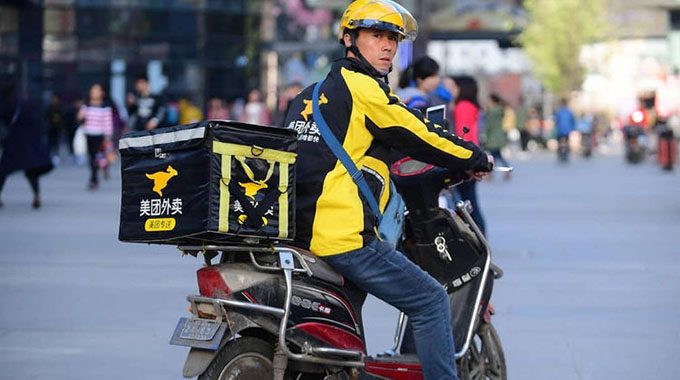
Ms. G
There is a joke often made in China today. For 3 000 yuan (about 500 USD) a month, you cannot hire a labourer, but you can easily find a university graduate.
Forty years since China started its reform programme, one of the things that has been losing the most value is a university degree.
New universities and colleges are springing up, opening their doors wide open; the job market overflows with degree-holders; only with a master’s degree can one make it into interviews; PhDs are struggling to get a good job; those with a Western degree have lost their edge.
This has been a boon for the nation as a whole, as knowledge and education brings about big leaps in sectors such as engineering, manufacturing, and the digital economy.
But for the hundreds of millions of young graduates, it is another story.
Except for a small number graduating from the most privileged universities, many find themselves unemployable upon graduation.
The things they are taught in universities are no longer relevant. Bosses want an entirely different set of skills that they do not have.
Even if they manage to land a job in the fancy office buildings and become what is called a white-collar, the pay cheque is not big either, especially given the high cost of living in the big cities. Some can barely pay their monthly rent.
Yet at the other end of the job market, where the blue-collars make their living, things are very different. Bricklayers, tilers, plasterers, maintenance workers, masseur, chefs, and babysitters usually make more than a new graduate in office does.
Sometimes, even porters are better paid in comparison. Some researches show the annual incomes of Chinese blue collars rising by 150 times between 1978 and 2019, much faster than those of the white collars.
In tandem with the boom of e-commerce, driving taxis for ride-hailing apps and grocery delivery have also become well-paid jobs.
Their salaries are not determined by education, but rather market demand. Meituan, one of China’s most popular online meal-ordering and food delivery services app, has over 70 000 master’s degree-holders and 160 000 bachelors working in its delivery team.
A 2019 survey shows that delivery men in Beijing and Shanghai made over 10 000 RMB (about US$1 600) a month on average in the year, much higher than the level of average incomes in the two mega cities.
Every year, university graduates are still pouring into the job market by the millions to compete for a limited supply of white-collar jobs, while new blue-collar positions are being created fast, especially in the online economy, such as lactational masseuse, professional home organisers, weekend event organisers, designated drivers.
Where there is a demand, there is a new profession.
To get a higher qualification is no longer the only way to a well-paid job. It is time that higher education better refine their functions and vocational education be given more attention.



 Online Reporter