Online Reporter
Emmanuel Koro ,Features Correspondent
A white paper from the Los Angeles-based Ivory Education Institute (IEI) released recently, unveils an ambitious proposal that could redefine the future of both artificial intelligence (AI) and wildlife conservation.
The document calls on governments, interest groups and individuals worldwide to rally behind a groundbreaking initiative that seeks to use AI to unite the United States and China in an unprecedented conservation effort with the help of CITES. If successful, the initiative could also help the world’s two leading AI nations set the rules for how AI will be used in the future.
The plan comes at a critical moment. Recent reports, including one from the New York Times on September 2, 2025, reiterates that AI has advanced beyond human control. It has proven it has the capability to learn, adapt and improve independently of any human intervention. Former Microsoft executive Craig Mundie has warned that humanity has created a new “computational species,” while columnist Thomas Friedman has argued that AI’s power is simply “too important” for nations to manage in isolation. Against this backdrop, the IEI is urging world leaders to harness AI’s potential before it grows into a force beyond human control.
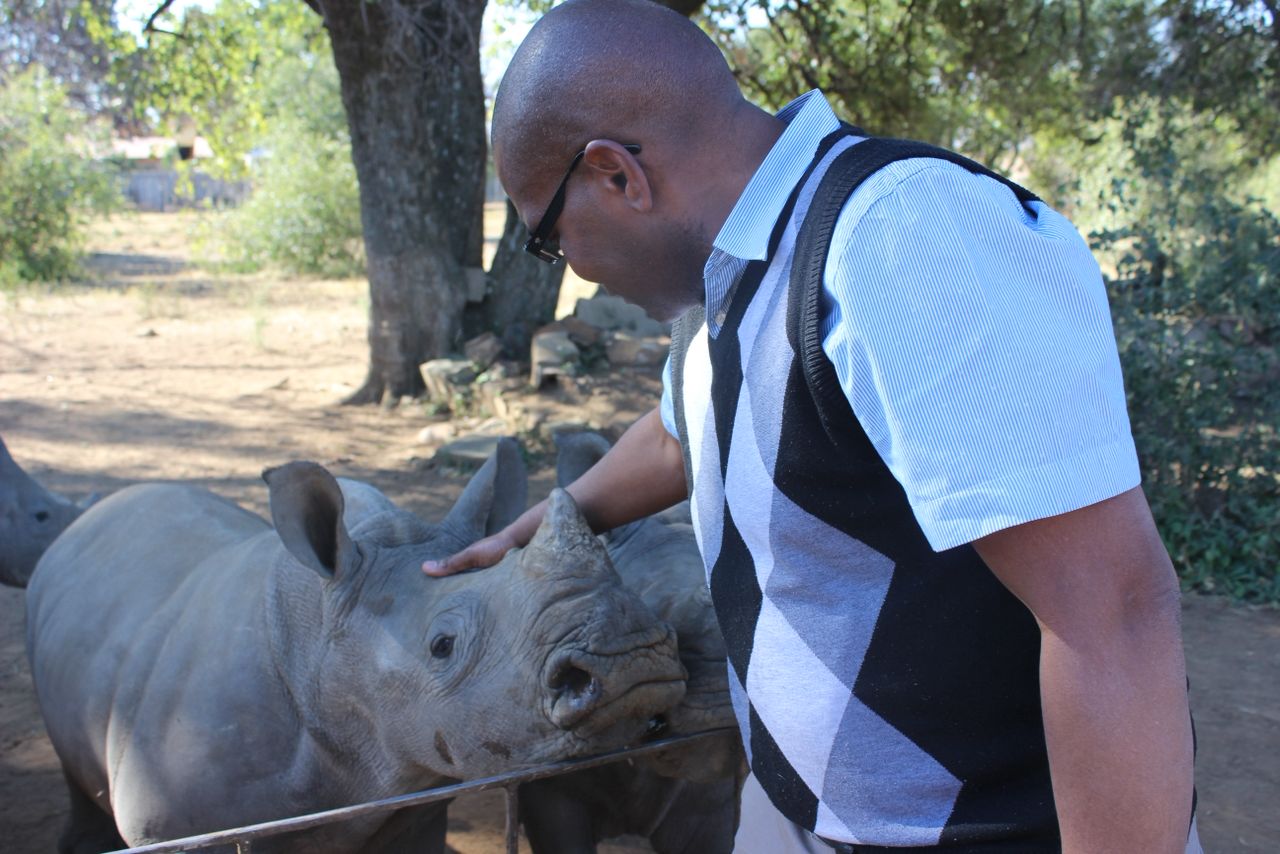
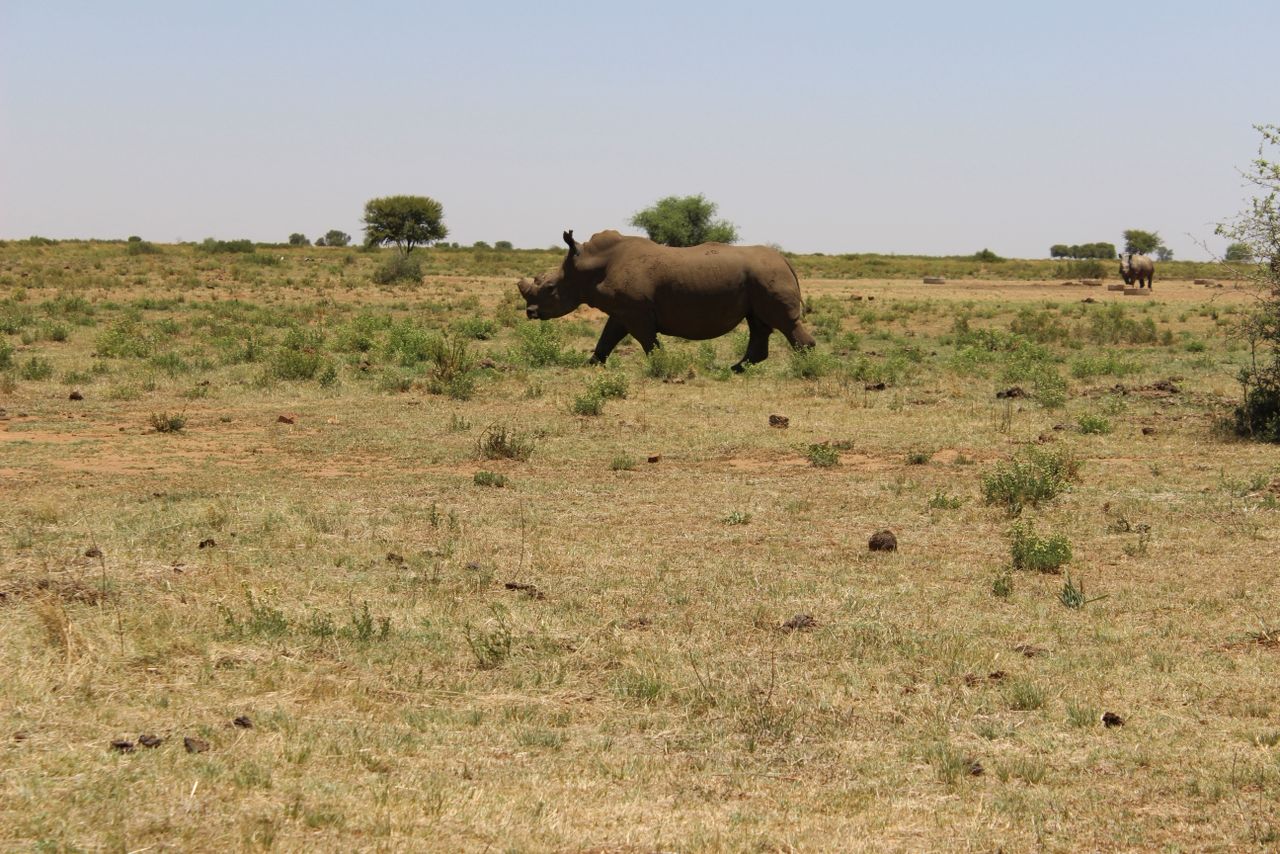
The White Paper identifies two pioneering AI projects for the member states of CITES to consider at its November 2025 CoP20 meeting in Samarkand, Uzbekistan. The first would use AI to facilitate communication between humans and both wild and domestic animals—an idea once considered science fiction but now closer to reality thanks to AI’s rapid development. The second would direct AI’s immense analytical power towards combating illegal online wildlife trade, a criminal industry worth billions of US dollars, annually.
“The Ivory Education Institute hopes that CITES Secretary-General Ivonne Higuero will be flexible enough to use her CoP20 gathering to urge both animal rights and sustainable use representatives to prepare an agenda that could launch this historic initiative,” says the document.
The stakes are high. For decades, CITES has been narrowly tasked with regulating trade in endangered species, but the Ivory Education Institute argues that it is uniquely positioned to develop a neutral platform where the US and China can cooperate on an AI initiative for global good. With both superpowers locked in political/economic disputes ranging from Taiwan to trade tariffs, the White Paper suggests that wildlife conservation could provide a rare area for collaboration.
If successful, the initiative, dubbed CRENEXTION (a mash up of the words Creature and Connection), would formally connect humanity, AI and the animal kingdom in ways never before attempted.
“The effort to find a way to connect all wild and domestic creatures to each other and human beings for the mutual benefit of all” is how the White Paper defines the project’s ultimate aim.
For this vision to succeed, however, financial and political support are essential. Accordingly, the Ivory Education Institute is appealing to philanthropists, governments, and NGOs to fund the initial stages, including international coordination, research and policy development. A dedicated website, www.crenextion.org, has been launched to gather public input and attract serious supporters.
“This is a tall order to be fulfilled in a short amount of time by historically adversarial groups that normally work slowly and methodically,” the White Paper states.
“But it is certainly do-able if others now see what Friedman and Mundie have brought to our attention: The urgent need for the Human Race to find enforceable ways to control the activities of the Silicon Race.”
As the world prepares for CITES CoP20, the question is whether any governments, leaders, or donors will step forward to back a project that could unite global rivals, harness AI’s transformative power and conserve wildlife for future generations. In short, the future of both humankind and wildlife may well now depend on AI.
As delegates prepare for CITES CoP20 in Samarkand, expectations are rising that the gathering could move far beyond its traditional focus on regulating trade in endangered species. According to the White Paper, the meeting could get some attention by becoming the birthplace of an entirely new approach to global conservation; one that merges AI with human ingenuity to redefine mankind’s relationship with animals.
If adopted, CITES would be the first international forum to formally urge the United States and China to channel their advanced technologies into wildlife conservation. The White Paper suggests two groundbreaking projects: developing AI tools to track and stop illegal wildlife trade on the Internet and creating some kind of communication system with animals to better understand and meet their needs while balancing human wildlife use and coexistence.
“By engaging the two great AI superpowers in the project at the outset, we can have the best minds and most advanced machines working on the project from the beginning,” the Ivory Education Institute paper argues.
“It would also offer a model for the two superpowers to find a path for resolving some of the other non-AI issues facing them.”
However, the paper laments that without strong leadership, even the most promising ideas can be stillborn. It calls on non-profit leaders, particularly within the animal rights as well as those from pro-sustainable use community, to champion the proposal publicly. It also urges political leadership, especially from southern Africa, where governments have long sought innovative approaches to balance conservation and sustainable use.
Ultimately, Project CRENEXTION will stand or fall on whether it can attract government and donor support. Such backing would ensure the dissemination of the White Paper, sustain diplomatic engagement whenever it occurs and finance the international coordination needed to make the project a reality.
“The Ivory Education Institute believes that PROJECT CRENEXTION offers CITES and its member states, as well as all CITES observers and supporters, a chance to take a giant leap forward in man’s relationship with wild and domestic animals. [It] hopes this unusual confluence of need, timing and opportunity will not be missed when boldness is demanded to launch a revolutionary new approach to solving [two of man’s toughest problems.]”
*Emmanuel Koro is a Johannesburg-based international award-winning environmental journalist who writes independently on environmental and developmental issues.