Vusumuzi Dube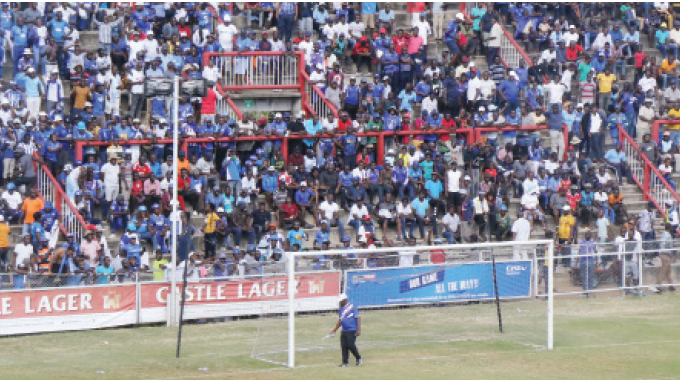
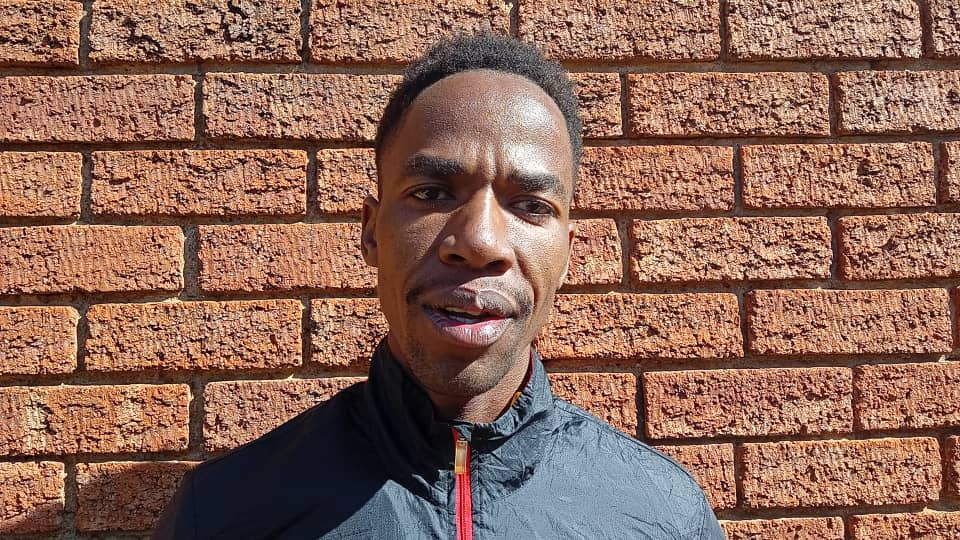
Joseph Nkani, Correspondent
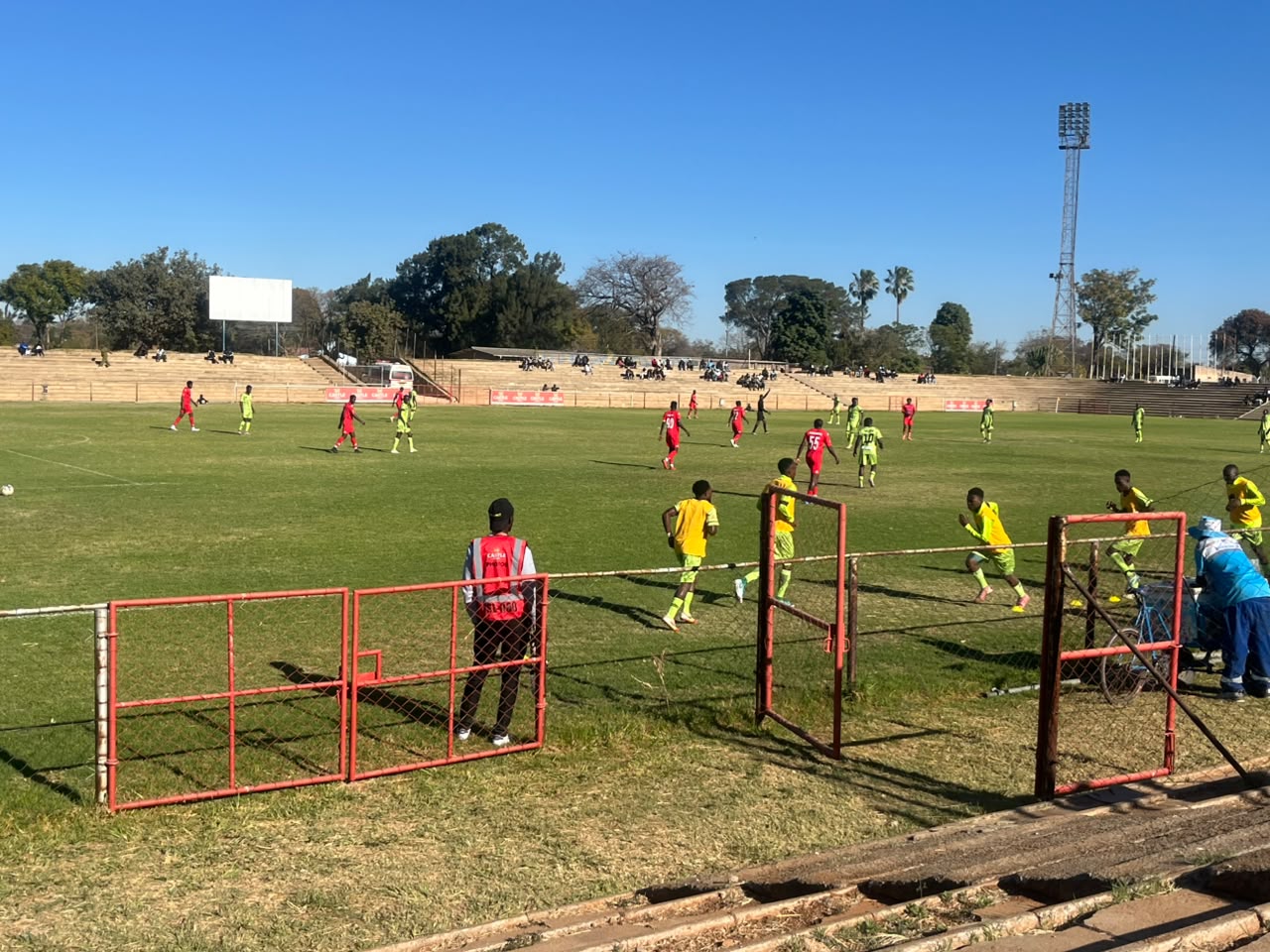
Two weeks ago local football was loudly engaged in non-football conversations which came after the Hwange versus Dynamos Premiership soccer match played at Barbourfields Stadium in Bulawayo, which ended 1-0 in favour of Dynamos.
So heated was the debate that one could not help but notice the evident partisan and religious divide in the beautiful game.
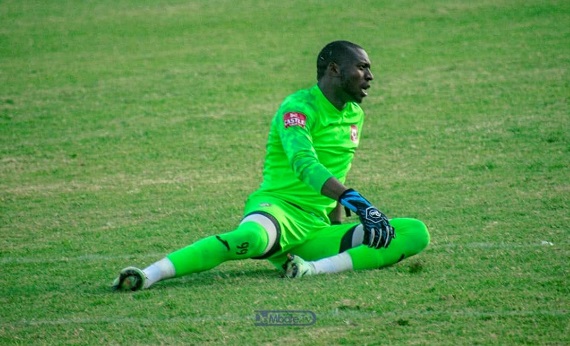
The whole drama was sparked off by Hwange goalkeeper Nedrick Madeya who, in typical football players’ pre-match routine or drill, played into the minds and emotions of partisan Dynamos fans.
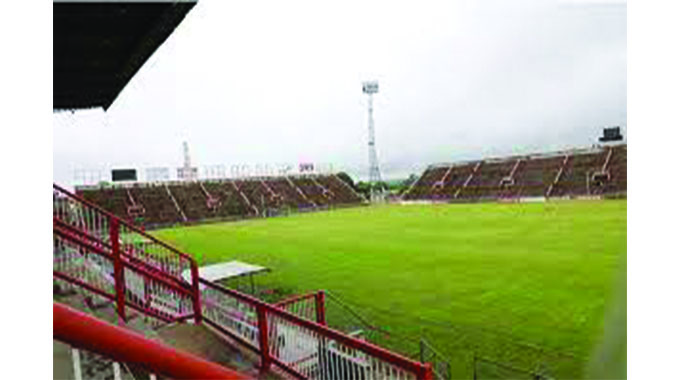
The Hwange goalkeeper was seen spreading his towel in his goal, kneeling on it and offering a prayer.
In all that “religious ritual” shortly before kick-off the referee’s assistant was busy and rightfully inspecting the nets, as is normal before kick-off, who saw nothing amiss in what the goalkeeper was doing.
Indeed, there was nothing wrong according the statutes of the game.
A Dynamos fan was later seen invading the pitch to pull out the goalkeeper’s towel and it was eventually burnt as a way of neutralising its perceived power and influence on the game results.
One must say that indeed almost everyone has their own beliefs and methods of psyching themselves up before a battle or ahead an encounter which has a telling bearing on one’s life.
Generally, in life people have their various ways of seeking divine or spiritual help wherever they go.
The game then kicked off and went a whole first 45 minutes without a goal on either side.
Then at half-time the Dynamos team manager Richard Chihoro came onto the pitch and went on to the goal post and began to sprinkle some liquid, which appeared like water, and then proceeded to spread some visibly solid white substance which many believe was coarse salt.
That action, according to many people, more so from this part of the continent, is consistent with juju practice.
Of course, that public spectacle was met with various reactions. Some supported and enjoyed the spectacle while others felt otherwise.
The Premier Soccer League found offence and have since summoned the Dynamos official to a disciplinary hearing for “bringing the game of football into disrepute”.
These two football personalities and their respective actions have brought up a very contentious and topical issue in the local football corridors.
There are many points one can draw from the drama. However, since the matter is now subject of the Premier League Disciplinary Committee I will not comment on the issue in as far and these two particular incidents are concerned.
I will simply discuss spiritualism in football, generally.
For starters, football operates in a community of different people or divergent faith, creed or spirituality.
Football, like in any competition or encounter in life when one wants to get an edge or enjoy some advantage over the other, they would naturally consult a super-power they strongly believe in.
If any of us is due for a job interview, for a business decision, a court decision, a visa decision, facing an examination or any life changing encounter they will definitely look up to whoever spiritual super-being they trust their lives with.
In all that, various forms of prayer and rituals are performed.
However, in sports, how you prepare and apply yourself on match day ultimately decides a winner.
It is just a life principle which is evident in any part of the world and across the spiritual divide. Since football is a global sport one is then curious to know whose faith or spirituality is allowed and whose practice is not allowed in football?
Various examples can be cited. We have seen Liverpool striker Mohammed Salah kiss the ground after scoring a goal, a Muslim act of worship or reverence.
We have seen PSG striker and Argentine national soccer team captain Lionel Messi point to the heavens in celebration of his goal scoring, a Christian faith expression.

We have seen soccer players enter the field after they visibly express the crucifix hand gesture on their forehead and chest, another Christian faith expression.
We have also seen whole teams gather around in a circle or on the goal line offering a prayer, presumably Christian prayers, and all these scenarios stand acceptable in and around football.
However, when someone engages in acts that are generally associated with African traditional belief systems, commonly called juju, people begin to raise dust.
When looked at closely all the examples cited above, including juju, represent one thing, spirituality in the game of football.
Perhaps the acceptance of one practice and the dismissal of the other practice can be defended by claiming that the current football statutes see one side as normal and acceptable practice while the other is said “to bring the game of football into disrepute”.
Either practices are not constituted as part of competitive football per se, but are simply ways or rituals which players and technical personnel engage in before, during and after a soccer match for the sole purposes of psyching themselves up, appreciating their gods or calling on divine intervention in the game.
So the question arises, whose religion or spiritual expressions are acceptable and based on what considerations? Shouldn’t any form of on-field spiritual expression outside competitive football be discontinued since any form of practice will bring the game into disrepute on anyone of a contrary belief system?
Right now in the English Premier League we have an active and open acceptance of people with divergent sexual orientation under the theme Rainbow Laces, which is a campaign which organisations such as the FA and English Premier League support.
The campaign is simply pushing an agenda which calls for people to accept gays, lesbians and transgender people in football.
This of course goes against devout Christian belief systems, who can now also lay a claim on such practices “bringing the game of football into disrepute”.
The same league is reported to be considering, in fact will be giving Muslims an opportunity to observe the Ramadan during the match.
The game will be paused to allow those of that faith to engage in their spiritualism act.
How do people in India or the whole of Asia practice their spiritualism in football? Is it acceptable or not by the football statutes? What about those in the Caribbean?
Those in Latin America, North America and of course the rest of Africa? Surely they have their own local expressions to their gods.
What is juju and what is prayer? Aren’t they both similar spiritual expressions but of different sources, persuasion and inspiration?
The debate is not about whether the practice works or not. But we are fundamentally questioning whose beliefs should be acceptable in football and whose will be seen as “bringing the game of football into disrepute”.
We have to accept that football is a global sport and as such will attract various spiritual beliefs from different territories across the world.
It is either we accept the diversity or we remove either spiritual expressions on the field of play.
Whatever rituals or routines one player or club want to engage in must be done behind closed doors.
When players and officials are on the pitch their religious expressions must remain that, personal and away from the view of the crowd.
Having said that, I will end with a disclaimer.
Personally I am a devout Christian and my spiritual persuasion is that of believing in God through Jesus Christ.
However, I am a football addict and would love to see football winning at the end of the day, not personal agendas or movements which seek more dominance over the others.
Our divergent spiritual beliefs form the foundation of our daily lives and we must express ourselves with honour and respect for other people around us even if they are of different spirituality and belief systems.
Joseph Nkani writes in his personal capacity as a football commentator/analyst as well as a Marketing and Public Relations Consultant. Contact +263772415660 or [email protected]


 derick.khumalo