dyton mupawaenda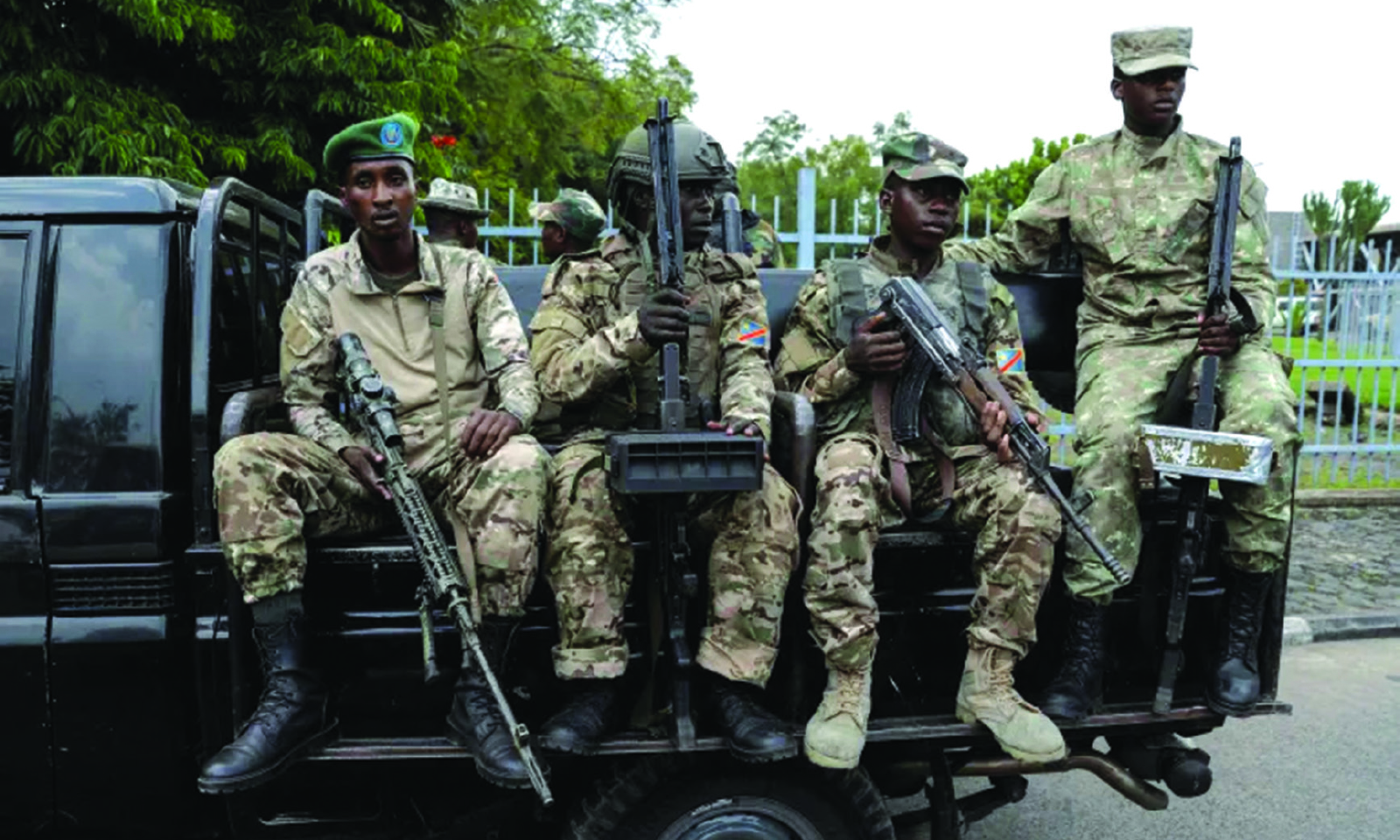
Ranga Mataire
Zimpapers Politics Hub
AFTER much anticipation, what was expected to be a historic breakthrough- direct talks between the DRC government and the M23 rebel group was abruptly cancelled at the 11th hour.
M23 withdrew from the talks despite having already sent representatives to Luanda.
The DRC government had also sent representatives to Luanda in anticipation of the peace talks.
So what happened?
Officially, the M23 says it snubbed the talks at the last minute because they were unhappy with mainly two issues.
The rebel group cited lack of security guarantees (it is not clear what security guarantees the group implied).
The second concern of the M23 was slapping of sanctions on their leader and some Rwandan military officials by the European Union.
M23 believes this recent move by the EU undermines prospects for peace.
Rwanda and the M23 believe the sanctions were as a result of lobbying to Belgium by the DRC government.
Belgium is an integral member of the EU.
In a statement, M23 said the sanctions “seriously compromise direct dialogue and prevent any advance.”
A publication in the Official Journal of the EU on Monday said the EU had sanctioned nine individuals accused of the violence in DRC. Among those sanctions are commanders of the Rwandan Defence Forces, the leader of M23- Bertrand Bisimwa and the governor of North Kivhu.
While EU sanctions could have been mistimed, the move taken by M23 vindicates its presumed alliance with Rwanda, an accusation consistently denied by the latter.
The DRC government insists that it is still interested in peace talks despite the snub by M23. DRC is both a member of the East African Community (EAC) and the Southern Africa Development Community (SADC).
The two regional blocs have held two joint-summits at both Heads of State and Government level and at Senior Ministerial Level. Both summits have recommended the revival of the Luanda Process mediated by Angolan President Joao Lourenco.
After assessing the situation on the ground, including getting reports from defence chiefs of the two regional bloc, SADC decided last week to withdraw its peacekeeping military mission in the DRC- the SAMIDRC.
There were fears that the withdrawal of SAMIDRC troops would create a security vacuum and further escalate the violence.
However, this has not happened as both the M23 and the DRC government want to give peace a chance.
Both SADC and EAC are in full support of the Luanda Peace Process, and have indicated that they would continue pushing for the contending parties to engage in dialogue.
Enter Qatar
In a surprise twist of events, President Felix Tshisekedi of DRC and his Rwandan counterpart Paul Kagame of Rwanda were on Tuesday in Doha, Qatar, at the invitation of the Emir of Qatar, Sheikh Tamin bin Hamad Al Thani.
The two leaders are said to have held informal direct talks where they reaffirmed their commitment to an immediate ceasefire.
The meeting marked the first time the leaders sat face-to-face since the conflict in DRC’s eastern part escalated after the M23 rebels seized two major cities in January.
A joint statement with Qatar said the ceasefire should be “immediate and unconditional.”
It was however, not clear whether the agreement has an effect on M23 insurgents who now control more territory than ever before in eastern Congo, including the region’s two biggest cities —Bukavu and Goma.
Diplomatic sources say at the Tuesday meeting in Qatar, President Tshisekedi and President Kagame “agreed on the need to continue the discussions initiated in Doha to establish solid foundation for lasting peace.”
The direct talks are not meant to replace any existing efforts being undertaken by SADC or EAC.
Qatar has acted as a mediator in several conflicts, with the recent one being with Egypt and the United States when they negotiated a ceasefire between Israel and Hamas in Gaza. Qatar is said to be close to Rwanda, which could have forced President Kagame to agree to the direct talks.
This is not the first time that Qatar has tried to broker peace between the DRC and Rwanda.
In January 2023, the emir tried to organise a meeting between the two presidents, but it was cancelled at the last minute.
This time, it appears pressure is mounting on both sides to find a lasting solution to the conflict.
Sanctions and pressure are beginning to weigh on President Kagame, especially after the EU sanctions on his top military commanders.
On the other hand, President Tshisekedi is keen on direct talks with M23, an idea which he previously rejected. The M23 now controls a large territory, which kind of shifts the balance of power.
What happens next?
Many regional analysts believe lasting peace is on the horizon in DRC despite set-backs encountered by Angolan President, Joao Lourenco in bringing the contending parties to dialogue.
Judging from statements coming from both the Rwandan and the DRC presidency, a breakthrough in terms of enduring peace in the DRC is imminent.
A statement from the Rwandan Presidency on Tuesday said the two leaders (Kagame and Tshisekedi) had called for the urgent need for “direct political dialogue” with all parties to address “the root causes of the conflict in eastern DRC.”
The statement said President Kagame expressed his belief that with all parties working together, things could move forward faster.
A spokesperson for the DRC government, Tina Salama was confident that the face-to-face meeting between the two leaders would bring lasting peace.
Posting on her official X-handle on Tuesday, Salama said; “An immediate and unconditional ceasefire has just been decided between the DRC and Rwanda during a meeting between Presidents Tshisekedi and Paul Kagame in Doha at the initiative of Emir of Qatar, a strategic ally of the two countries.”
Salama said details of the implementation of what was agreed at Tuesday’s meeting would be worked out in the coming days.
While both SADC and EAC are keen on diplomatic initiatives taking centre-stage, it is not clear how the two regional blocs are to proceed following the M23’s snub of the Luanda Process.
Maybe like everyone else, they are also hoping that Qatar’s involvement will be a catalyst towards finding lasting solution in the crisis-ridden DRC.


 Online Reporter