admin
admin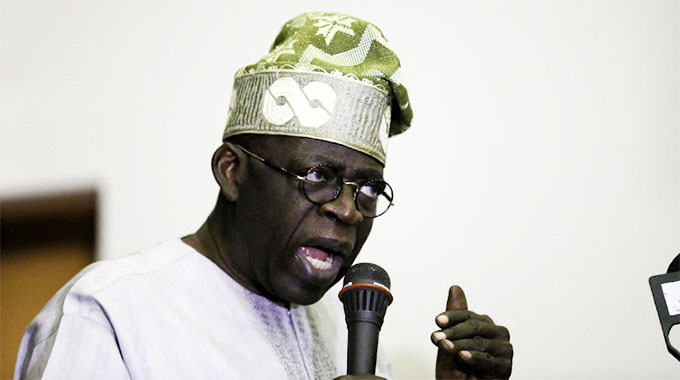
Nigeria’s newly elected President Bola Tinubu has wasted no time in implementing a series of much-needed reforms aimed at realising the potential of Africa’s largest economy, after a decade-long swing between slowdown and inflation.
Nigeria economic reforms: What do Tinubu’s reforms entail?
The reforms have been cited as bold and comprehensive. They include the elimination of a costly fuel subsidy, the replacement of the country’s central bank governor, and the initiation of a deep overhaul of Nigeria’s power industry described as chronically inadequate in recent memory.
Nigeria economic reforms: What do they mean?
The measures have garnered a positive response, with Nigeria’s dollar bonds experiencing a rally and stocks reaching a 15-year high as per a Bloomberg report. The economic reforms have been reported as Nigeria’s shift towards economic orthodoxy — unconventional leadership decisions taken with an aim towards overall betterment of the economy in the face of scarcity.
While there remains skepticism on overall implementation of the reforms given the country’s tumultuous history of leaders failing to scale through the initial economic optimism, investors view these policy changes as the beginning of a broader economic transformation.
The shift also aligns Nigeria with other countries like Turkey and Colombia, where similar policy changes have generated market enthusiasm after authorities signalled a departure from investor-unfriendly economic practices.
In a Bloomberg report, Amaka Anku, Africa director at Eurasia Group, commended the swift implementation of challenging reforms during the initial period of Tinubu’s presidency.
This demonstrates determination and creates momentum and goodwill, which in turn boosts both domestic and international confidence and encourages investment, he noted.
Meanwhile, the negative effects of these adjustments are primarily affecting the currency and the Nigerian population itself. The currency naira has significantly depreciated against the dollar since Tinubu assumed office, while the price of petrol has tripled. — WION.


 Online Reporter