Online Reporter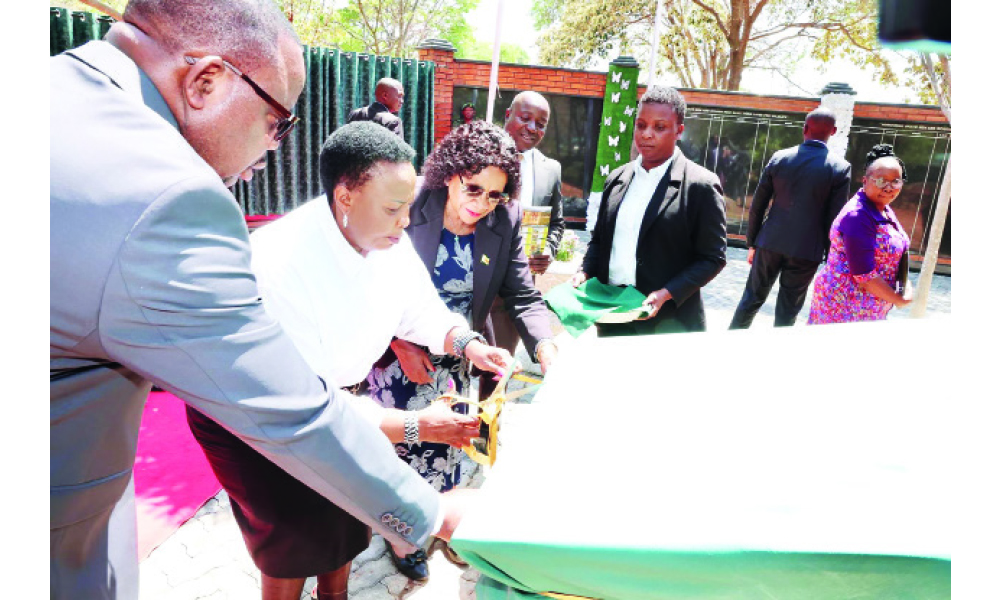
Blessings Chidakwa
Herald Reporter
WILDLIFE Ambassador, First Lady Dr Auxillia Mnangagwa, has said wildlife conservation cannot be separated from livelihoods, food security, and the right of nations to benefit from their natural resources, urging diplomatic collective action and unity of purpose.
Dr Mnangagwa made the remarks last Monday during a diplomatic community engagement on CITES and wildlife conservation at ZimParks Gardens in Harare, as Zimbabwe seeks support for the lifting of a ban on international trade in elephant tusks.
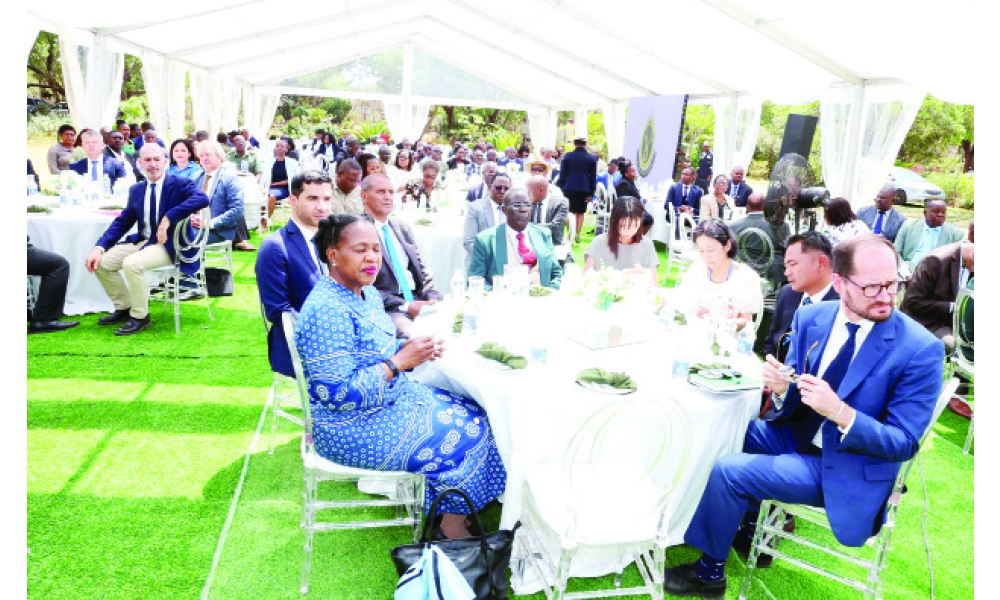
The meeting brought together several members of the diplomatic corps to discuss collective action ahead of the 20th Conference of Parties to the Convention on International Trade in Endangered Species of Wild Fauna and Flora (CITES COP20), set for Samarkand, Uzbekistan, from November 24 to December 5.
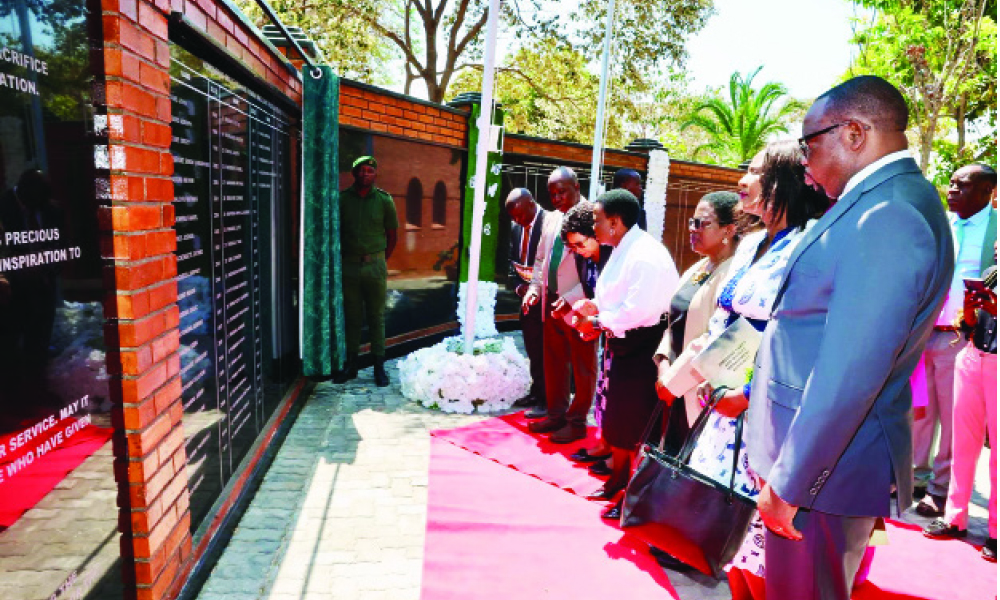
On arrival, in a historic feat, the Wildlife Ambassador unveiled a memorial plaque honouring men and women who lost their lives protecting wildlife in the country.
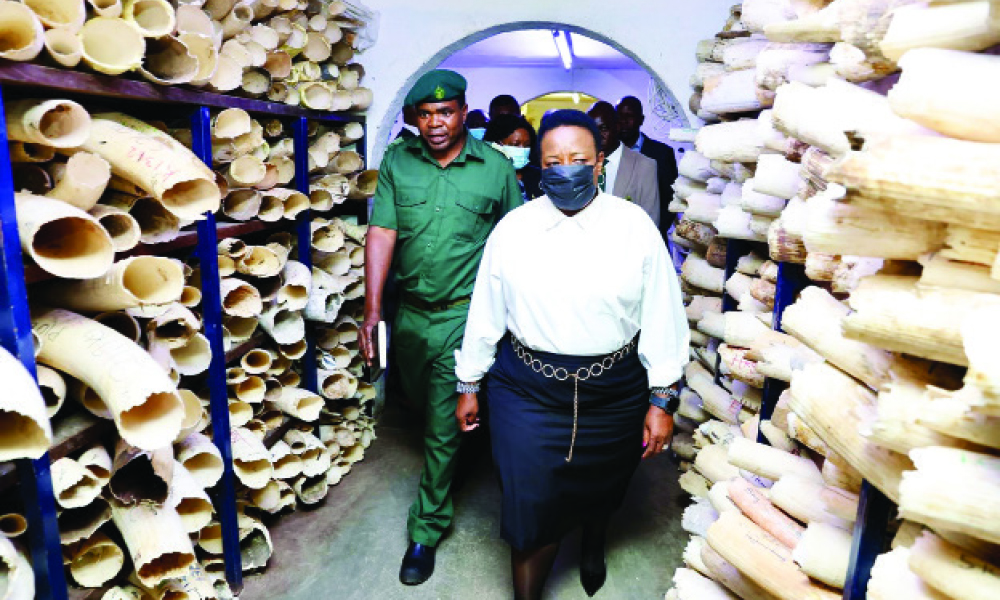
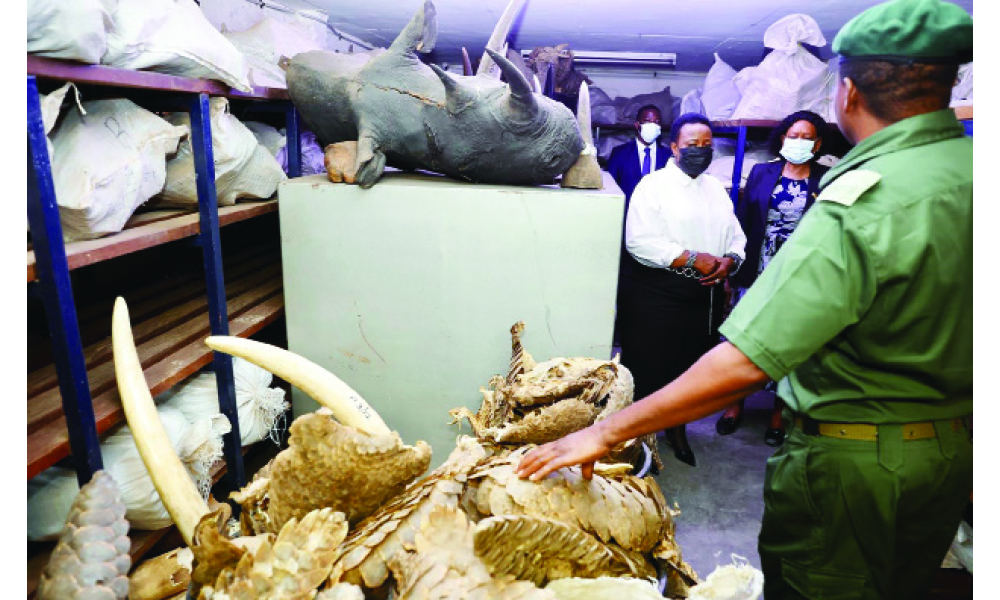
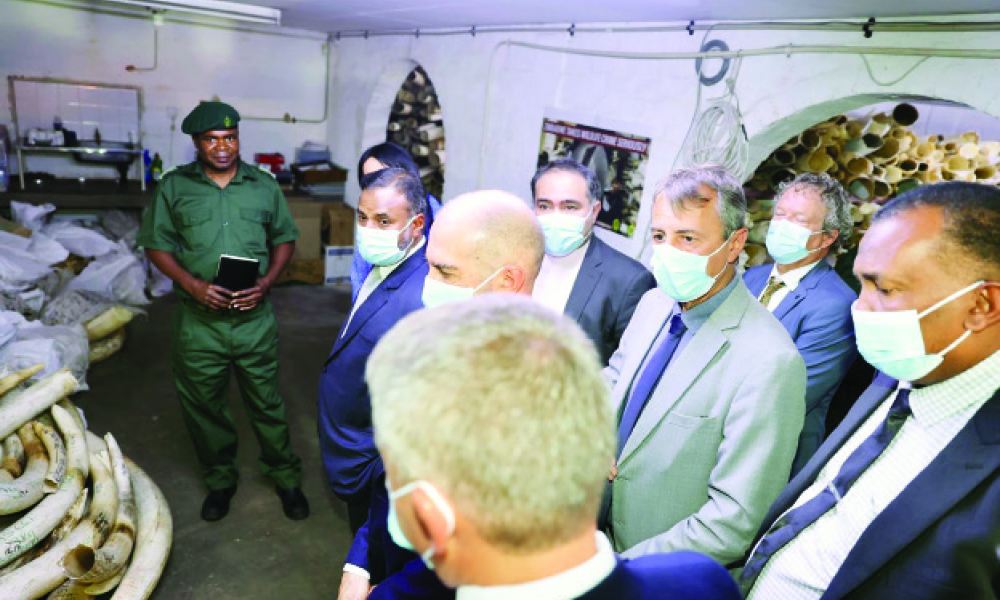
Dr Mnangagwa then toured the ivory stores with diplomats, with the country sitting on more than 196 tonnes of ivory stockpiles.
During the engagement, the Wildlife Ambassador stressed that CITES decisions must reflect community realities, as the treaty regulates endangered species trade, promotes sustainable use, and allows member states to propose amendments at meetings like the upcoming COP20.
“As we exercise our rights to propose species listings, voting on issues where consensus would have failed, I urge you to always think about the rights and livelihoods of communities who live alongside wildlife, especially those directly dependent on sustainable utilisation of wildlife resources.
“Our actions have to guarantee household food security and improve disposable incomes for our communities. Such societies bear the brand of conservation, therefore rightfully deserve to benefit from coexistence with wildlife,” she said.
The Wildlife Ambassador said Zimbabwe possesses a substantial stockpile of elephant ivory, as witnessed during the tour, which has become increasingly costly to maintain, yet a lot of value can be unlocked from it if the international ivory trade ban is lifted.
“As Zimbabwe, we feel the restrictions went too far and are disproportionate, as they are negatively affecting communities whose livelihoods depend on wildlife.
“The problem is further compounded by a huge elephant population, which has far exceeded its carrying capacity, yet no international elephant trade is possible due to CITES restrictions,” she said.
Zimbabwe has over 85 000 elephants against a capacity of 45 000, creating overpopulation that has killed more than 370 people, injured many others, and destroyed crops, livestock, and property in recent years.
This overabundance of wildlife continues to strain protected areas and fuel human-wildlife conflict.
Dr Mnangagwa added: “As a developing nation, Zimbabwe perceives that denying countries with lawfully acquired excess wildlife products access to such resources constitutes a violation of international law and principles of fairness.”
The Wildlife Ambassador also said Africa should speak with one voice on conservation matters, noting that the African union had already started prioritising wildlife issues at high-level meetings.
Dr Mnangagwa urged African parties to unite in pushing for community inclusion, easing trade restrictions, amending CITES resolutions on ivory stockpiles, securing conservation financing, and strengthening wildlife law enforcement.
“Africa cannot remain impoverished while simultaneously possessing abundant natural resources. As CITES parties, we are the guardians of our wildlife, and it is imperative that we safeguard against decisions and resolutions that would create impediments for sound, science-backed wildlife conservation policies,” she said.
Dr Mnangagwa said there must be balance in precautionary wildlife conservation with the sovereign right to utilise natural resources, and believes CITES COP20 will mark a turning point towards unity, genuine partnerships, and sustainable community development.
ZimParks Director-General Professor Edson Gandiwa said wildlife remains critical to the country’s economy, ecology, and society.
“So, in terms of species conservation, Zimbabwe has the second-largest elephant population in the world. Our population stands between 85 000 and 100 000 elephants. That’s a huge success, but that comes with its burden also, as we have seen.
“But also our ivory vault, because every elephant tusk that we gather in the field, from natural mortalities, even from our operations or even management, comes in, and we have to safeguard it. We hope with the engagement and with CITES, we may be able to unlock value,” he said.
Prof Gandiwa said there is a greater need for biodiversity to be valued.
“Zimbabwe is making much more effort in that regard. But we need to engage the community globally, regionally, because when we go to these conferences, we are now at a global platform where values differ, where perceptions differ.
“Even the ivory stockpile that we have seen during the tour doesn’t have the value. But maybe we also want to look at whether we can have it valued in terms of making it in our local currency, because that’s money which is there,” he said.
Prof Gandiwa said nature-based tourism is also anchoring the wildlife economy, with 70 to 80 percent of all the visitors to Zimbabwe motivated by wildlife, which becomes key.
Environment, Climate and Wildlife Minister Dr Evelyn Ndlovu described Africa as the biodiversity hub of the world and urged the diplomatic community to support Zimbabwe’s proposals at CITES COP20.
“We are linked from generation to generation to wildlife. This is really what we call a close relationship between the human being and the biodiversity that exists within the conservation areas and within various countries.
“We are calling upon you, your respective countries, to support us as we present our proposals to the whole world.
“Zimbabwe also urges you to get in touch with your capitals before November 24, to make sure that your capitals are aware of our needs for support,” she said.
Dean of the diplomatic corps, Rwandan Ambassador James Musoni, represented by Ethiopian Ambassador to Zimbabwe Rashid Muhammad, commended the First Lady’s leadership in environmental protection and reaffirmed the diplomats’ readiness to partner with Zimbabwe in conservation, climate action, and socio-economic development.
“We commend your tireless efforts and visionary leadership in transforming the socio-economic landscape of Zimbabwe through initiatives that uplift communities, safeguard the environment, and promote sustainable development,” he said.
“Today’s event is yet another testament to your commitment to protecting wildlife and ensuring the conservation of Zimbabwe’s rich natural heritage for future generations. At the same time, we wish to assure you, Your Excellency, of our strong commitment to cooperate with you and the Government of Zimbabwe in advancing the noble programmes you are championing.”
Ambassador Musoni pledged to communicate the outcomes of the meeting to their respective capitals and to follow up on their implementation.
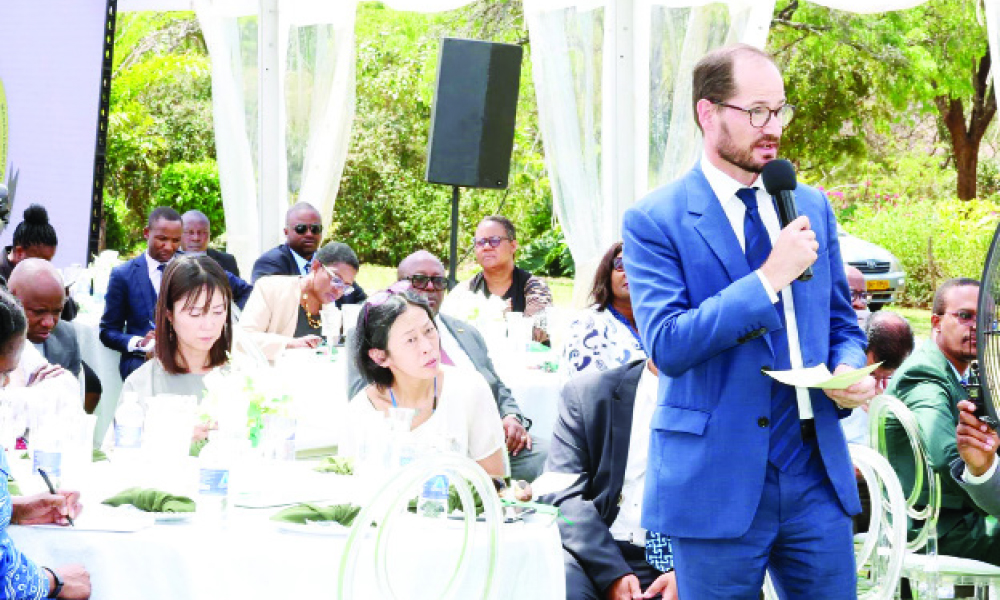
French Ambassador to Zimbabwe, Paul-Bertrand Barets, hailed Zimbabwe’s conservation strides, also saluting the country for hosting a well-organised COP 2015 in Victoria Falls in July, describing it as “really a great success” in terms of organisation and opportunities to network.
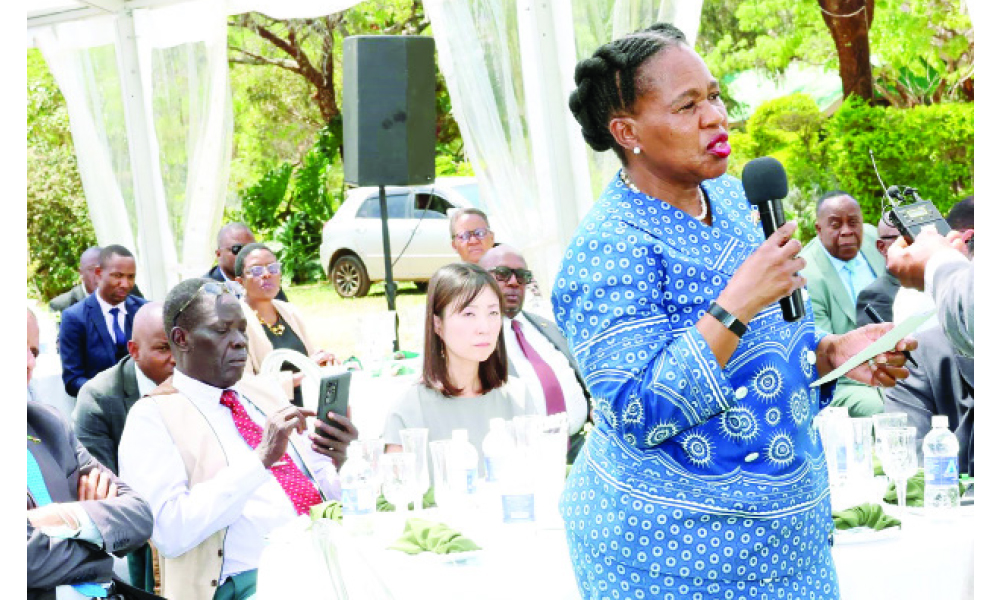
Botswana’s Ambassador to Zimbabwe, Sarah Molosiwa, said as a fellow SADC and African country, it is quite essential to be seen speaking with one collective voice, especially against restrictions on the trade of raw products from wildlife.
“I equate wildlife to the mineral resources that we are endowed with, and I think it’s high time that Africa becomes very bold and outspoken about these issues—that these are some of the blessings that God has blessed our continent with, and we do not have a reason to be receiving them when they are already processed from elsewhere,” she said.
“So, I want to stand here on behalf of my country, Botswana, and to say definitely Botswana is going to stand in solidarity with the proposals that are going to be made by Zimbabwe at this very conference,” she said.
Acting Foreign Affairs and International Trade Minister Professor Paul Mavima also praised the First Lady for her tireless efforts in wildlife conservation and thanked diplomats for their support in making the event a success and for coming in numbers.
“Your leadership, Your Excellency, in environmental conservation and wildlife issues will not only benefit us, but most importantly, it will benefit future generations,” he said.
The engagement underscored Zimbabwe’s commitment to sustainable wildlife management and the importance of collective African action ahead of CITES COP20.