Online Reporter
Rutendo Nyeve, Victoria Falls Reporter
A groundbreaking report launched on the sidelines of the 15th Meeting of the Conference of the Contracting Parties to the Ramsar Convention on Wetlands (COP15) has amplified the indispensable role of wildlife in sustaining Africa’s wetlands.
Titled “Africa Special Report: Taking Animals into Account,” the document calls on Governments to integrate animal-driven ecological processes into wetland restoration and management strategies to combat biodiversity loss and ecosystem degradation.
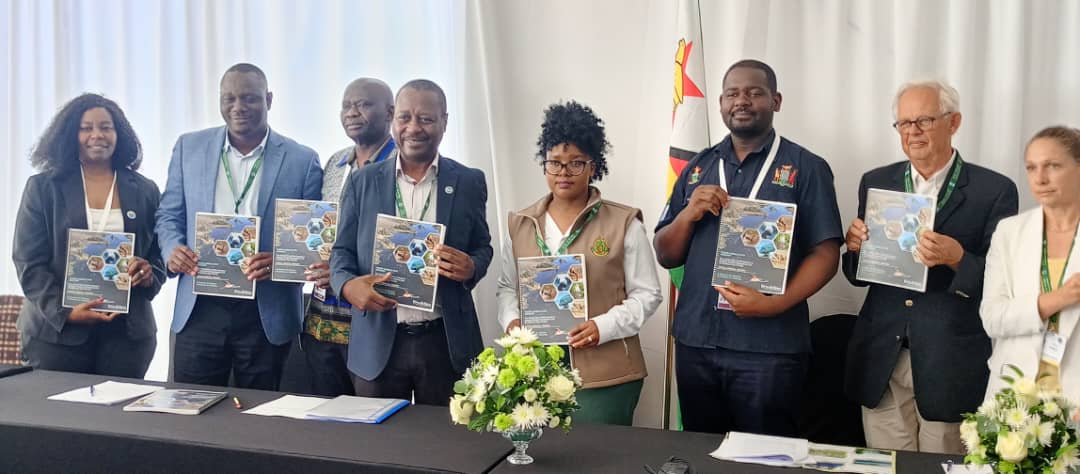
The report, produced by the Global Rewilding Alliance (GRA) in collaboration with practitioner partners and supported by the International Fund for Animal Welfare (IFAW), highlights the alarming decline of wetlands and freshwater species.
Since 1700, an estimated 3.4 million square kilometres of inland wetlands have been lost globally, while nearly one-third of freshwater fish species face extinction.
The findings urge a paradigm shift in conservation efforts, emphasising that wildlife, from elephants and hippos to fish and waterbirds, actively shapes and maintains wetland health.
Speaking at the launch, Director of Science-Policy-Practice at GRA, Mr Magnus Sylvén said the report is a valuable resource for those implementing the Ramsar Convention.
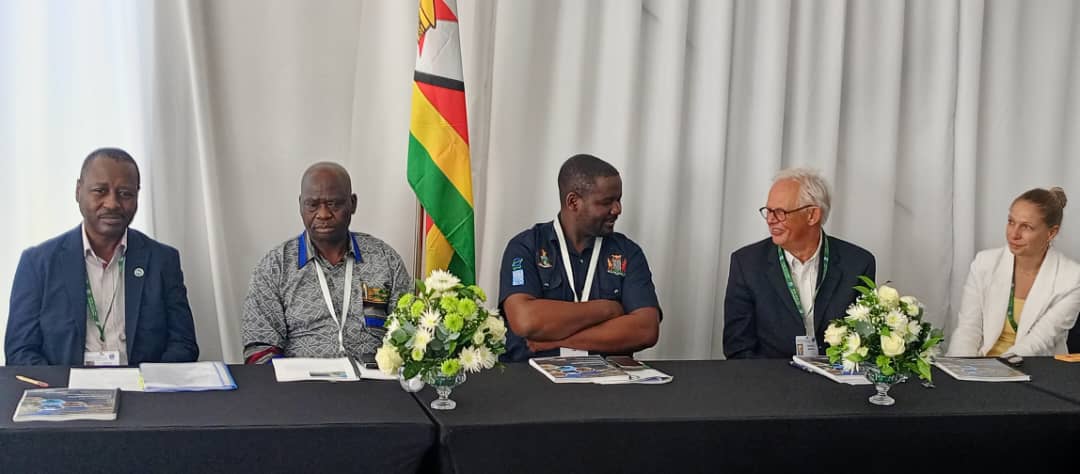
“By recognising the fundamental ecological role of wild animals, mammals, birds, fish, reptiles, amphibians, and other organisms, we will become better at managing and restoring the world’s inland and coastal wetlands. This will dramatically increase the ecosystem services of wetlands to the benefit of all people on Planet Earth,” he said.
IFAW Regional Director for Africa Mr James Isiche, linked wetland preservation to broader climate and biodiversity goals.
“Wetlands are vital ecological connectors in IFAW’s Room to Roam initiative, supporting species like elephants as they move across borders and landscapes. Protecting and restoring these dynamic ecosystems is essential to building climate resilience, conserving biodiversity, and ensuring a future where animals and people thrive together,” he said.
Director of International Conservation Affairs at ZimParks Professor Patience Gandiwa,echoed the same sentiments.
“This report consolidates science showing how species such as elephants, hippos, fish, and waterbirds shape wetland landscapes and improve their ecological character,” she said.
The report details how animals engineer wetland ecosystems: elephants create water channels, hippos fertilise waterways, fish disperse seeds, and migratory birds maintain nutrient cycles. Without these species, wetlands risk becoming functionally degraded, jeopardizing their ability to provide clean water, flood control, and carbon storage.