Online Reporter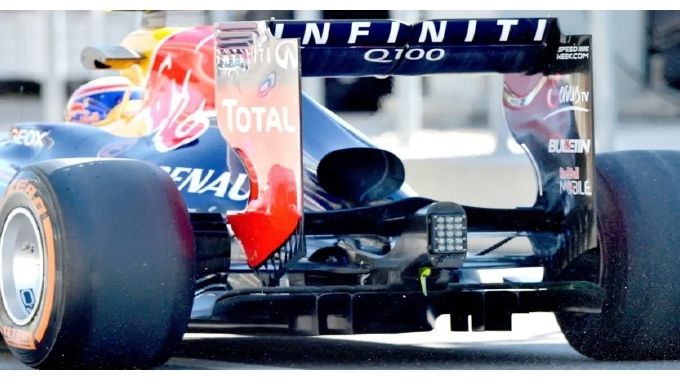
Formula 1 is in the midst of two parallel sets of engine discussions, both important for the future of the sport.
The more immediate one is to find a short and medium-term fix for some of the problems that have arisen with the new engines introduced this year.
This one needs an answer within a couple of weeks or so if changes are to be made in time for next year. These discussions are well under way.
The other one is longer-term — what sort of engine should be introduced when the regulations change again in four or five years’ time?
Mohammed Ben Sulayem, the president of governing body the FIA, is pushing the idea of a return to a naturally aspirated V8, with a token hybrid system — essentially the rules F1 last had in 2013.
But why take what appears to be a step back to the past that still runs counter to the direction of road-car technology, even if the transition to electrification is taking longer than was expected a few years ago?
There is widespread agreement across F1 that the sport has dropped the ball with the new set of engine regulations, even if no-one is quite saying it in public.
There are positive aspects to the new style of racing and the increased number of overtaking manoeuvres, and the television viewing figures are encouraging — the first three races all showed significant audience increases.
But it is accepted that the impact of the excessive need for energy management on the purity of the driving experience, especially in qualifying, needs to be addressed.
On a philosophical level, this has changed what it means to be an F1 driver — and not in a way anyone who understands the sport thinks is positive.
The fundamental problem is that the nominal 50-50 energy split between internal combustion and electrical power with the current engine architecture does not work without major compromises.
Looking forward, the next set of engine regulations are not due to come into force until 2031. The contracts that bind the teams, commercial rights holder F1 and the FIA together — the so-called Concorde Agreement — run out at the end of 2030.
In theory, that means Ben Sulayem can impose any engine rules he wants in 2031, as the current governance processes don’t exist then. And he is using that threat to try to bring forward the change he wants to 2030.
“It is happening,” he says, “but of course consultation is needed.”
Ben Sulayem could act unilaterally, but that risks the departure of one or more manufacturers — which would be a bad look given the new rules attracted three new companies, Audi, Ford and General Motors, and persuaded another, Honda, to reverse a decision to quit.
Sources say that stakeholders are open to discussing both a reduction in the amount of electrification and a change to the internal combustion engine, which is currently a 1.6-litre V6 turbo.
The carbon-neutral sustainable fuels introduced this year would be retained, fending off any accusations about increased emissions from engines that would require substantially more fuel.
But the devil is always in the detail. —BBC