admin
admin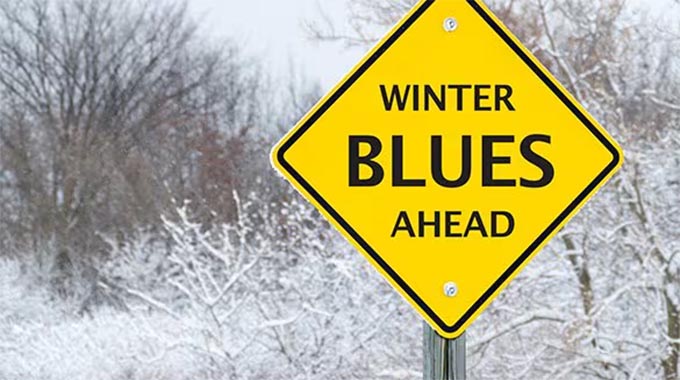
Dr Chido Rwafa -Madzvamutse
Mental Wellness
As discussed in previous articles, mental health is defined as a state of well-being in which an individual realises his or her own potential, can cope with the normal stresses of life, can work productively and fruitfully, and is able to make a meaningful contribution to their community.
Winter is a challenging season with cold weather, decreased access to sunlight, changes to the day-night cycles and increased exposure to colds, flu and respiratory illnesses. All this can have an impact on our physical and emotional wellbeing.
Is winter affecting your mood?
Have you been struggling with irritability or a sad mood during the cold winter months?
Do you often feel tired and overwhelmed?
Are you struggling to focus and concentrate?
Are you having challenges with your appetite and weight?
Are you struggling to get a good night’s rest?
How can winter affect our mood?
Decreased social interactions: sustained cold weather results in most of us staying at home more in our quest to stay warm, this can result in fewer social interactions and subsequent social isolation.
Decreased exposure to natural sunlight can affect hormone production and our mood.
Decreased physical activity: Winter weather often makes it difficult to maintain routines like walking or jogging outside which may result in decreased physical activity during the winter months. This also affects hormone levels as exercise often stimulates production of endorphins and other hormones that can help maintain a happier mood.
Decreased physical activity can also result in some weight gain which can also affect our sense of self-worth and our mood.
Disrupted sleep: The changing day-night patterns that can occur during winter may affect how some people sleep and the circadian rhythm or body clock which can result in insomnia or hyper-somnia, which can ultimately affect one’s mood.
Colds, flu and respiratory conditions: Winter often comes with poorer physical health increasing risks of the common cold and other respiratory conditions and even a mild cold can have a negative impact on one’s mental wellbeing.
Fighting the winter blues
Stay warm
Try and take measures to stay warm with warm clothing, hot water bottles, a heater or a safe fire.
Get early treatment for colds and flu or any respiratory infection: Getting physically unwell during this chilly weather can have a detrimental effect on one’s mental wellbeing.
Try and get some natural sunlight exposure: Sunlight helps us produce vitamin D which does play a role in mental health wellbeing.
Be deliberate about staying connected with family and friends whether in person or virtually, particularly if you stay alone.
Try and maintain a moderate level of physical activity or exercise during the winter months.
Acknowledge your feelings if you are feeling down, talk to a trusted friend or reach out for professional help.
Mind your thoughts and self-talk, maintain a positive perspective, winter, like all seasons, will come to an end.
If you think that you or someone that you know may be experiencing a mental health problem linked to the chilly weather, please contact your nearest health care provider and get help.
Association of Health Care Funders of Zimbabwe (AHFoZ) article written by Dr Chido Rwafa Madzvamutse, Consultant Psychiatrist.
Feedback: Dr Chido Rwafa Madzvamutse +263777727332) (www.ahfoz.org; [email protected])



 Online Reporter