admin
admin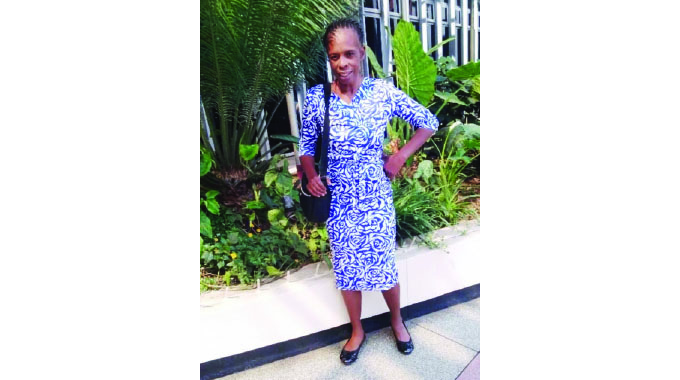
By Hebert Mutugwi
Harare. — After going through four separate bouts of tuberculosis infections, a Mabvuku woman has lived to tell her story, thanks to the twin treatment for HIV and TB she has undergone.
Treatment of the two conditions, which are closely linked, is now compulsory for patients of either, thereby increasing the recovery and survival rate of TB patients as the disease is known to kill more people than HIV.
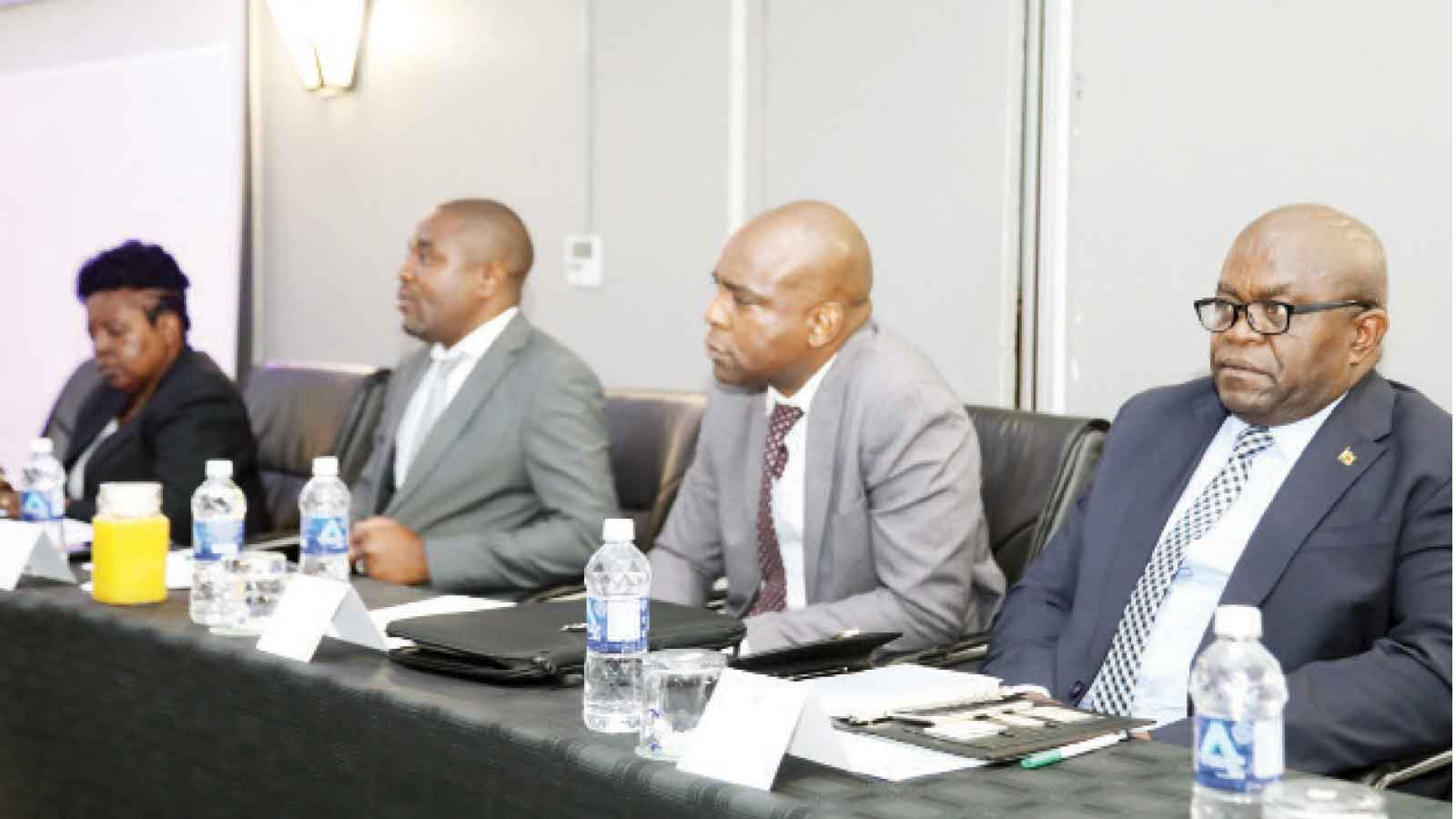
Fifty-one-year-old Barbra Farashishiko of Mabvuku, one of the country’s TB champions, related her story this week at a two-day National Aids Council (NAC) workshop for senior media personnel at the Zimbabwe Institute of Public Administration and Management near Norton.
Farashishiko married into a Rusape farming family that was involved in tobacco growing when she experienced constant coughing and breathing difficulties, which everyone put down to the pregnancy she was carrying.
“It was in 1985 and I was pregnant but when I delivered, I became ill and was admitted at Parirenyatwa Hospital and I developed complications which prompted health personnel to carry out various tests to determine the cause of my illness,” she said.
“They took chest X-rays but could not find anything wrong, tested my phlegm but again nothing came out until they extracted fluid from my spine (cerebrospinal fluid). That is when they realised I had TB and I was immediately transferred to Wilkins Infectious Diseases Hospital where I spent the next three months.” She could not walk or feed herself and her mother had to visit every lunch hour to feed and bath her.
“During my stay at Wilkins, there was a stay away by health personnel and I had to be discharged and taken home and the scene (was depressing) when I was being transported home in a wheel barrow from the bus stop,with many pronouncing that my death was close by,” said Farashishiko.
“Imagine the stigma having to be transported in a wheel barrow for up to 2km with the whole neighbourhood peeping from every possible angle.”
At home, her siblings did not want anything to do with her for fear of contracting TB so she was placed in an isolated room where food was left by the door with only her father and mother standing by her.
“When my in-laws were advised to come and see me since I had been discharged, my mother-in-law simply came, peeped into the room and retreated.
She went back to berate her son and started to actively encourage him to dump me since according to her I was a moving grave and was of no use to the family in the fields, tobacco barns and in terms of household chores.”
After eight months of taking up to 20 tablets daily, she recovered reasonably well to move back with her husband and fell pregnant and gave birth to her third child the same day the second died, leading to her relapsing.
“The child was not growing and I was sick, and (my) mother-in-law was beside herself with anger and chided her son for continuing with me against her advice. She concluded that I had TB2 but never got to know how she reached that diagnosis. All I knew was that I had TB and this time it had been confirmed through phlegm testing and X-rays,” she said.
The treatment for this phase of TB was tougher in that in addition to the large amount of tablets Farashishiko was taking, she had to endure daily injections for 60 consecutive days.
The third child died in 2008 and she demanded that the doctor explain to her why she was always sick while her children continued dying.
After 13 years of anguish, she was finally tested and her positive HIV status was confirmed.
Arrangements were then made to place her on Anti-Retroviral Treatment (ART).
This led to her quick recovery from TB, general improvement in health and reintegration into the community.
Her husband then got stricken with TB and she had to take care of him until he died, leading her to contract the condition for the fourth time, but this time around treatment was relatively easy because she was on HIV treatment and recovered within six months without any complications.
She has continued to religiously take her HIV treatment and is enjoying good health now.
Dr Kelvin Charambira, the Infectious Diseases Detection Surveillance (IDDS) Drug Resistant TB regional advisor, said Farashishiko was HIV positive when she first developed TB in 1985 but testing was not compulsory at the time because treatment for HIV was not available.
He said the link between HIV and TB and Drug Resistant TB was that TB thrives when a patient’s immune system is compromised with HIV, which compromises natural barriers against TB.
When a person does not have HIV, Dr Charambira said there is a five percent risk of progression of the disease from infection to disease in the first two years, which decreases during the rest of life.
In HIV positive people, there is between three and 13 percent risk of progression from infection to disease in the first year, which increases to more than 30 percent during the rest of life. In cases where immunity falls below CD4 of 350, there are risks of new infections, re-infection or reactivation of previous infection with TB progression becoming faster and more deadly as shown by the fact that TB is the leading cause of death in HIV patients.
Factors making TB/HIV deadlier include rapid progression of TB because of immune response failure, delay in diagnosis and treatment due to atypical and paucibacillary presentations, delay in HIV diagnosis due to stigma or ignorance delaying the start of ARV treatment and difficulties with adherence (drug interactions or high number of pills).
Because of the strong epidemiological association between TB and HIV, Dr Charambira said there is now HIV screening in all TB patients and vice versa in HIV patients. — New Ziana



 Online Reporter