Online Reporter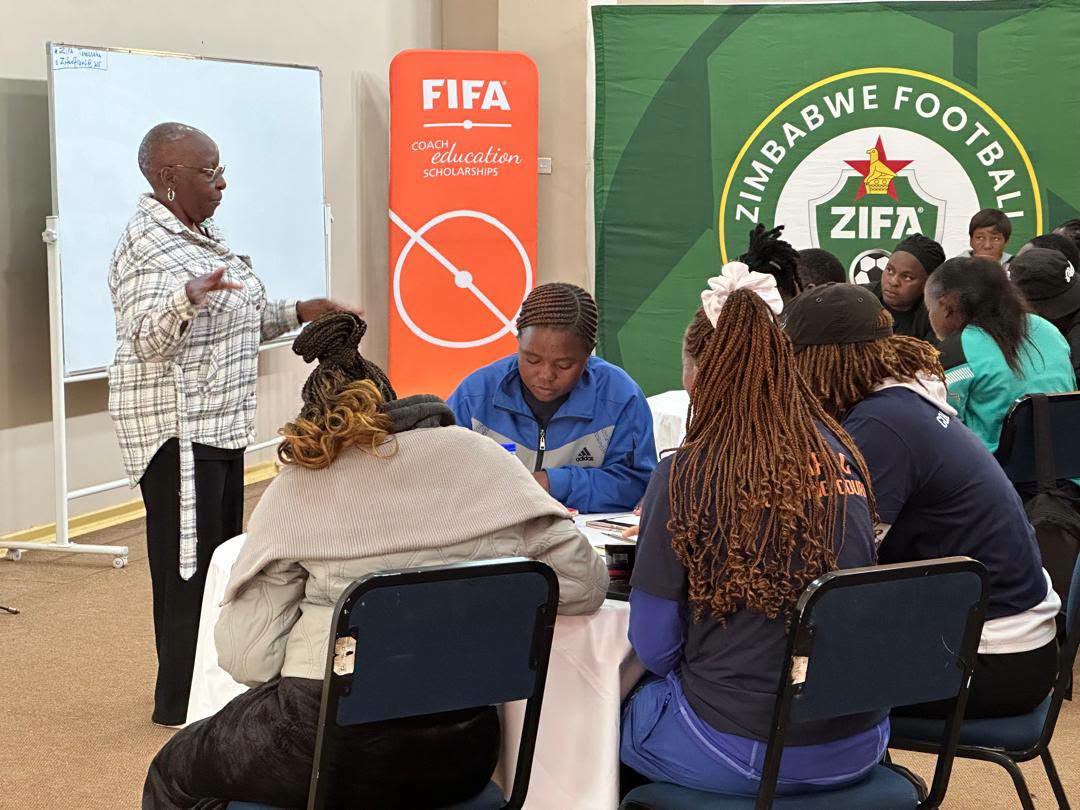
Fungai Muderere, [email protected]
THE future of women’s football in Zimbabwe is no longer a distant ambition spoken about in boardrooms and development plans. It is unfolding in real time at Zifa Village, where a determined group of women is quietly preparing to transform the game from the touchline.
While players often dominate the spotlight, another important story is taking shape behind the scenes, one centred on leadership, knowledge and the growing presence of women in football’s technical spaces.
At the heart of that story is the second module of the All-Women CAF C Coaching Course, where aspiring coaches are gaining the skills, confidence and expertise needed to take their place in one of football’s most influential roles. The atmosphere at Zifa Village is one of purpose and possibility, with participants embracing the opportunity to develop themselves in an environment designed specifically to empower women within the game.
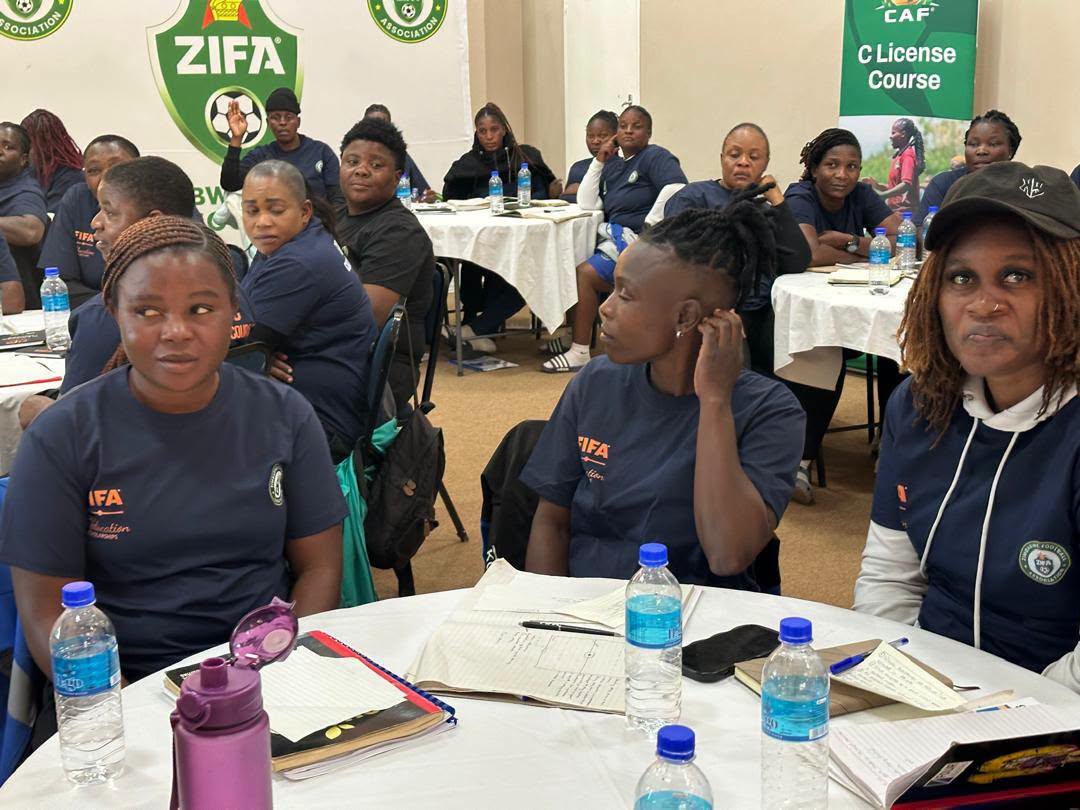
The course represents more than a coaching programme. It is part of a broader effort, supported by FIFA, to increase the number of qualified female coaches and strengthen the pathway for women seeking long-term careers in football. For years, discussions about developing the women’s game have largely focused on players. Now, attention is increasingly turning towards the technical areas, where coaches play a vital role in shaping talent, building teams and influencing the direction of the sport.
Perhaps the most striking aspect of the programme is its recognition that modern coaching extends far beyond tactics, formations and match-day decisions. The women taking part are being taught that successful coaching begins with understanding the people behind the players.
A key component of the second module focuses on Sports Medicine, with Dr Margaret Maulana leading participants through an extensive programme covering player health, welfare and performance. The sessions delve into areas that are often overlooked but remain fundamental to success in modern football. From nutrition and hydration to exercise health and recovery, the aspiring coaches are being equipped with knowledge that could have a lasting impact on the players they will one day guide.
The learning does not stop there. Participants are also being introduced to injury prevention strategies and an understanding of common football-related injuries, vital tools that could help prolong careers and improve player well-being. Equally important are discussions around doping control, mental health, player welfare and female health, subjects that continue to gain prominence as football evolves into a more holistic and player-centred sport.
The emphasis is clear: great coaching is not simply about producing results. It is about understanding the physical and emotional demands placed on athletes and creating an environment in which they can thrive.
For those working in the women’s game, this knowledge becomes even more significant. Female players face unique health and physiological considerations that require understanding, empathy and specialised knowledge from coaches. Maulana believes these elements should be central to any modern coaching philosophy.
“Coaching is not only about tactics, formations and what happens with the ball. Coaches have a responsibility to understand the health and well-being of their players because these have a direct impact on performance,” she said.
It is a message that resonates strongly within the programme. Her approach highlights a simple but powerful principle: when coaches prioritise the well-being of their players, improved performance often follows naturally. Before a team can succeed on the pitch, its players must be supported off it.
For the women participating in the course, the experience carries an even deeper significance. This is not merely another qualification to add to a résumé. It is an opportunity to step into spaces
where women have historically been underrepresented. It is about empowerment, visibility and challenging long-standing perceptions about who belongs in football’s technical and leadership roles.
For generations, women have contributed to football as players, supporters and advocates. Increasingly, however, they are being equipped with the tools necessary to lead. The All-Women CAF C Coaching Course is helping convert aspiration into reality, creating pathways for women who want to influence the game from the sidelines and within its decision-making structures.
“The women taking part are not simply sitting in a classroom collecting certificates. They are building the knowledge, confidence and credibility needed to take charge of teams, develop young players and influence the direction of women’s football,” said Zifa.
That distinction is important. Success in football development cannot be measured solely by the number of players on the pitch. It also depends on the quality of the coaches guiding them, the mentors shaping young talent and the leaders helping to build sustainable structures for future generations.
If Zimbabwe is serious about strengthening women’s football, then initiatives such as this are essential. The game needs more qualified female coaches, more women involved in player development and more technical leaders who understand both the demands of football and the realities faced by female athletes. It needs coaches who can nurture talent, inspire confidence and serve as role models for the next generation.
Viewed through that lens, the second module at Zifa Village becomes much more than another stage in a coaching curriculum. It is a reflection of progress and a statement of intent. It represents a future in which women are not merely participants in football but architects of its growth and success.