Online Reporter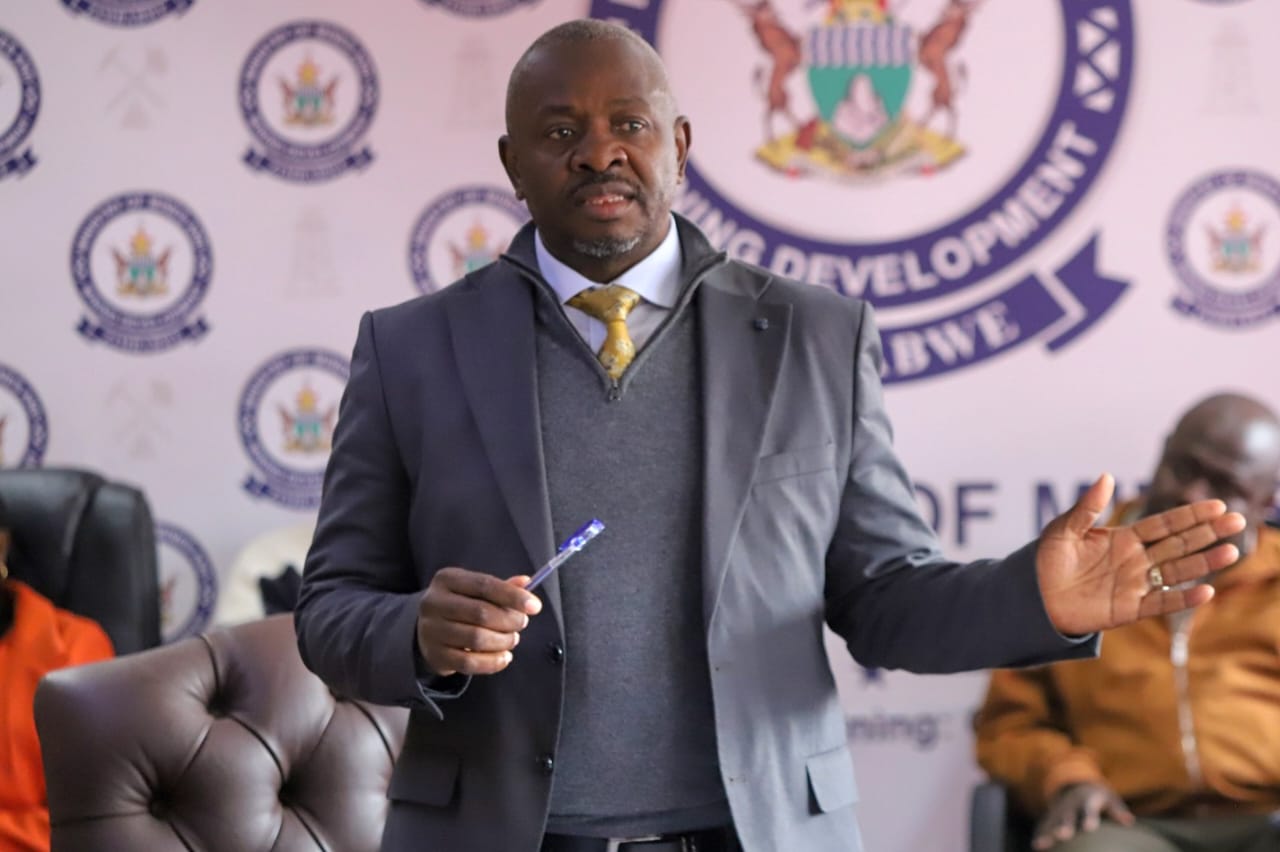
Online Reporter
YOUNG professionals in the Ministry of Mines and Mining Development have been challenged to take an active role in shaping the future of Zimbabwe’s mining industry and contribute to the country’s economic development.
The call follows President Mnangagwa’s 2026 National Youth Day message in which he challenged young people to be active and productive from community level to the national stage and across all sectors of the economy.
The President said achieving the targets of the National Development Strategy 2 (NDS2) and Vision 2030 required young people who were diligent, focused, hardworking and patriotic, urging them to “occupy the space”.

He specifically called on the youth to deliver results in mining, agriculture, tourism, manufacturing, science, technology and innovation.
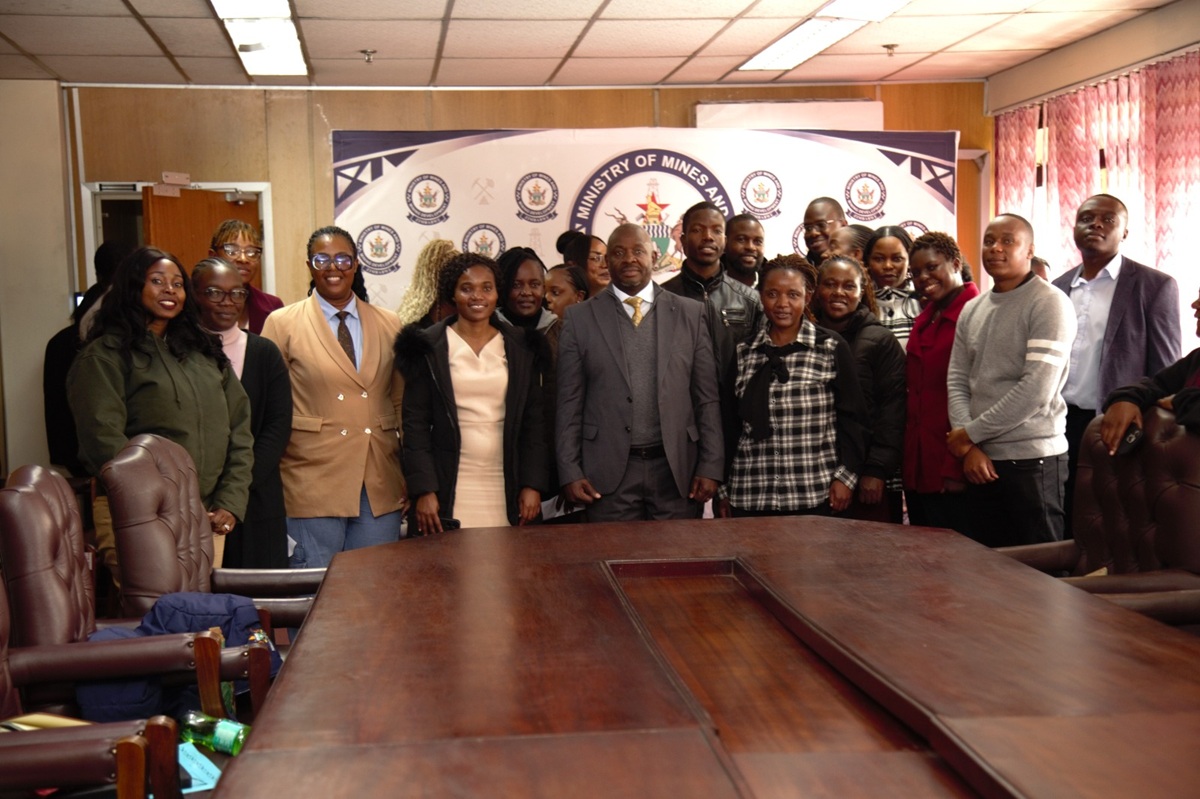
Against this backdrop, Permanent Secretary in the Ministry of Mines and Mining Development Dr Thomas Utete Wushe on Friday hosted a Brown Bag Lunch Engagement with ministry employees aged 35 and below at the ministry’s head office in Harare.
The informal engagement provided young professionals with an opportunity to interact directly with ministry leadership, exchange ideas and discuss their contribution to the development of the mining sector.

The engagement comes as Zimbabwe’s mining industry moves towards greater adoption of digital technology, advanced geological techniques, data analysis, modern engineering, mineral processing and environmental management.
Young professionals within the ministry are therefore expected to play an increasingly important role in mineral administration, geological information systems, value addition and beneficiation, environmental management, investment promotion and strengthening local mining value chains.

During the engagement, Dr Wushe proposed the establishment of a specialised Ministry of Mines and Mining Development youth hub, which could provide a platform for young professionals to exchange ideas, undertake research, receive mentorship and develop innovative solutions to challenges facing the sector.
Such a platform could also encourage young employees to move beyond identifying challenges and focus on developing practical solutions.
The proposal is in line with the National Youth Empowerment Strategy 2026-2030, which seeks to increase youth participation in the formal economy and support the implementation of NDS2, with a focus on economic empowerment, technology and digital transformation, education and skills development and governance.

The mining sector is expected to require a new generation of professionals with specialised skills as the industry embraces technological advancement and seeks to increase value from the country’s mineral resources.
These include geologists versed in modern exploration technologies, engineers capable of working with advanced mining systems, metallurgists driving beneficiation, economists with an understanding of global mineral markets, environmental specialists promoting responsible mining and ICT professionals supporting digital transformation.
However, the increased involvement of young professionals is not expected to replace the experience and institutional knowledge of older employees.

Instead, the sector is expected to benefit from stronger inter-generational collaboration, with experienced professionals providing mentorship and institutional memory while younger employees contribute fresh ideas, technological skills and new approaches to problem-solving.
The proposed youth hub could provide a structured mechanism for fostering that collaboration while giving young professionals greater opportunities to participate in policy development and innovation.
President Mnangagwa’s call for young people to “occupy the space” has consequently placed greater emphasis on creating opportunities for meaningful youth participation rather than simply viewing young people as future leaders.
For the mining sector, this means ensuring that young professionals are given the responsibility and platforms to contribute to the development of policies, technologies and solutions that can help Zimbabwe derive greater value from its mineral wealth.
With mining remaining a key pillar of the economy, the participation of young professionals is expected to be critical to the sector’s ability to support NDS2 and the country’s Vision 2030 aspirations.