admin
admin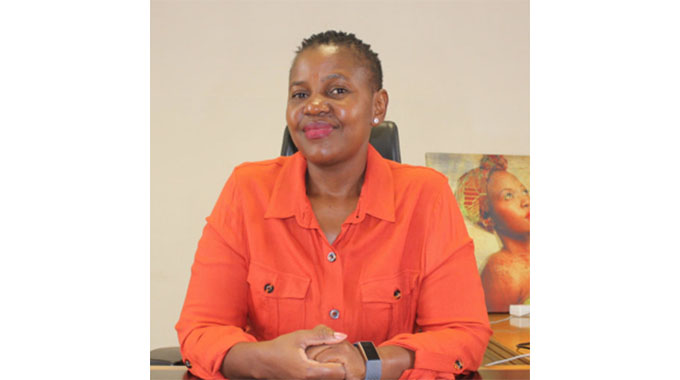
Flora Fadzai Sibanda
Correspondent
DESPITE efforts to mobilise and encourage more women to participate in politics, particularly during this year’s forthcoming election, there are concerns that the ratio of females taking part in political processes remains low when compared to men.
Zimbabwe is set to hold its harmonised elections on August 23, and the Women’s Institute for Leadership Development chief executive, Ms Samukeliso Khumalo, says it is worrying that the number of women who are participating as candidates is not equal to the number of men.
She said there are several underlying reasons that have always made women fail to participate in politics such as adverse societal norms and beliefs, which discourage women from engaging in political activities.
“The Zimbabwe Electoral Commission’s nomination court results on women candidates that will stand in the 2023 harmonised elections reveal the reality on women’s political status.”
The women and the youth quotas in the National Assembly, and the zebra format used in the Senate where men and woman candidates put up in a party list must alternate, produced reasonable numbers.
But Ms Khumalo noted that only 115 out of the 637 candidates nominated for national assembly direct election were women and there were not women standing for President.
“This leaves women on the margins of decision making, which is also detrimental to democracy and the reduction of the pervasive gender inequality gap.”
The women’s lobby organisation says given the lower number of women involved in politics, this means that critical issues that affect the female gender would not be adequately dealt with in key decision-making processes.
Ms Khumalo has urged the Government and all other stakeholders to try and create an enabling environment, which will make women not fear actively participating in politics.
She also suggested that more awareness campaigns be done so that women can be told the importance of being involved in politics and how important it is for them, and that resources should also be made accessible to women who might want to partake in politics.
“It is imperative that all stakeholders commit to long-term and concerted efforts to address the low political participation of women in Zimbabwe,” said Ms Khumalo.
“By harnessing the collective potential of women and men alike, we can foster an inclusive political landscape that reflects the diversity and aspirations of our nation,” she said.


 Online Reporter