

 admin
admin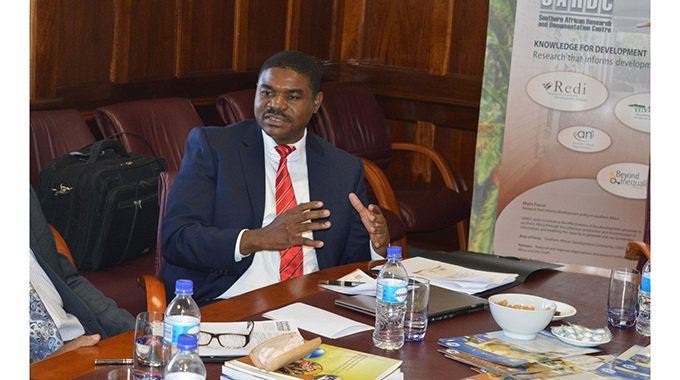
Precious Manomano and Faith Katete-Herald Reporters
The high start-up costs of installing renewable energy sources hits women in Africa in accessing renewable energy products and as a result many still walk long distances to collect firewood, which is usually heavy, compromising their health and wellbeing.
Most face energy related hurdles, hampered by extra hours of work due to the type of energy sources available for their cooking and lighting.
Southern African Research and Documentation Centre (SARDC), in collaboration with the SADC Centre for Renewable Energy and Energy Efficiency (SACREEE) has hosted a virtual capacity building workshop yesterday for Gender Focal Persons in ministries and institutions responsible for energy and gender.
SADC member states have recognised gender differences in renewable energy initiates and find ways to make renewable energy more accessible to more women.
Speaking during the workshop SARDC executive director Mr Munetsi Madakufamba said energy is the main driver for economic development and industrialisation in the region.
Southern Africa had vast energy resources, which include solar, wind, nuclear, hydro, thermal, gas and petroleum, but the benefits of renewable energy in particular are currently not being fully exploited or maximised.
“The contribution of renewables to electricity supply in the SADC region has increased steadily over the past decade and the aim for SADC is to achieve a renewable energy target in the regional energy mix of at least 35 percent by 2030.
“Currently, the regional energy mix is steadily moving towards that target although coal remains the dominant source, contributing more than 70 percent of total supply, meaning 30 percent is renewable energy and other sources,” he said.
SADC was currently experiencing power shortages, which were detected as early as 1999 and challenges brought about by power shortages have different impacts on both men and women being the most affected
“Women are key players in the transition to universal energy access, yet they are often disproportionately affected by the challenges associated with access to modern sources of energy compared to men,” he said.
There was need to address the limited participation of women in designing home energy systems, resource access, and decision-making at national and regional levels as these are major challenges within the gender and energy nexus.
The objective of the workshop was to build a critical mass of gender and energy stakeholders with increased capacity to ensure meaningful gender mainstreaming in programmes that promote gender.
Energy access is a challenge throughout the SADC region and the provision of energy services has different impacts on women and men.
Last year in September the same virtual workshop was done and members of Parliament in Southern Africa were agreed to take concrete action in driving the legislative agenda to advance gender equality in the renewable energy sector.


 Online Reporter