

 Online Reporter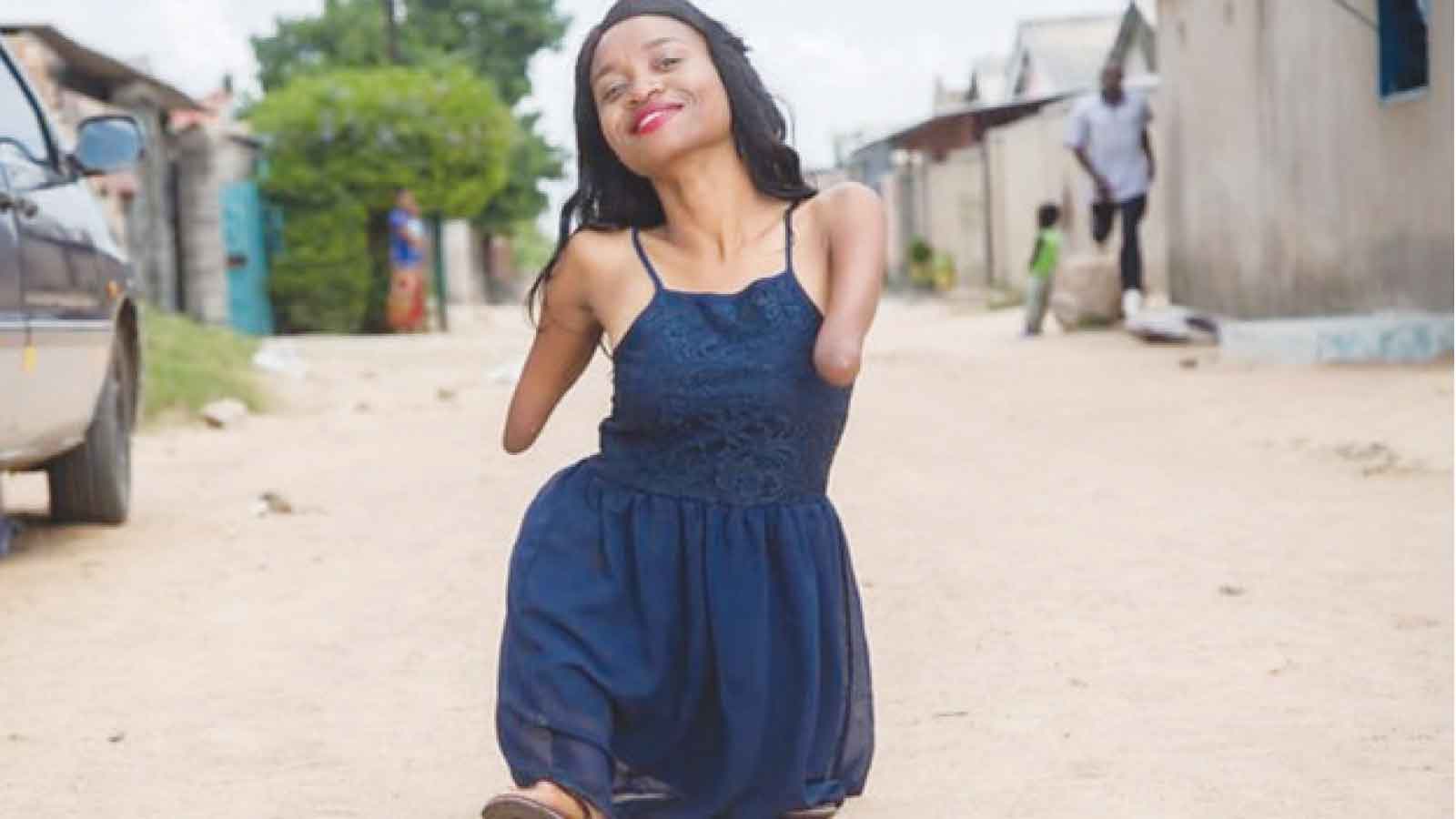
Getrude Chigerwe-Features Correspondent
Women with disabilities in Zimbabwe are increasingly stepping into leadership roles, reshaping economic and social development, while challenging entrenched barriers to inclusion at both community and national levels.
According to the UNDP 2023 report, an estimated 9 percent of Zimbabwe’s population lives with a disability, with women disproportionately affected and more likely to experience functional limitations than men.
The disparity is particularly pronounced in rural areas, where disability prevalence among adults is higher than in urban centres.
Persistent challenges such as poverty, limited access to education, weak infrastructure and stigma continue to deepen exclusion for women and girls with disabilities.
Despite persistent structural challenges, there is growing evidence that in Zimbabwe, women with disabilities are actively participating in economic and community development.
Across sectors, many are engaged in small-scale entrepreneurship, agriculture and community-based initiatives supported by the Government and development partners.
In rural communities, women with disabilities are increasingly engaging in projects such as poultry and vending, contributing to household incomes and local economies.
This reshapes societal perceptions, demonstrating that disability is not a barrier to productivity or leadership.
Disability advocate Sinikiwe Kademaunga Zhiva has emphasised the need to strengthen inclusion at the grassroots level, stressing that sustainable development must reach communities where women with disabilities face the greatest barriers.
She noted that meaningful progress requires locally grounded solutions that respond directly to lived realities.
“There is still a lot of work to be done to ensure that inclusion begins at the grassroots level,” she said.
At the national level, the Government, working with development partners, has taken steps to advance disability inclusion.
Commitments anchored in the Constitution and the National Disability Policy seek to promote equal opportunities and improve access to education, skills training and economic participation for persons with disabilities.
These efforts mark a progressive shift towards recognising disability as a cross-cutting development issue.
Development partners are complementing Government initiatives through inclusive programmes that empower women with disabilities. Interventions focused on skills development, entrepreneurship and rights-based advocacy are strengthening women’s capacity to participate meaningfully in economic and social life.
Research continues to show that persons with disabilities in Zimbabwe experience higher levels of poverty and limited access to employment, with young women particularly affected.
However, targeted interventions are beginning to reverse this trend by equipping women with practical skills, resources and confidence to engage in income generating activities.
Progress is also evident in the education sector. More than 85 000 learners with disabilities have been recorded within Zimbabwe’s education system, reflecting increased efforts to expand access to inclusive education.
While challenges related to quality, accessibility and resources remain, the data points to growing momentum towards inclusive learning.
Local organisations, including the Zimbabwe Women with Disabilities in Development, play a critical role in amplifying the voices of women with disabilities.
Through advocacy, leadership development and community mobilisation, these organisations are ensuring that women with disabilities are active participants in development rather than passive recipients of support.
Zimbabwe has also made strides in enhancing the representation of persons with disabilities in decision making spaces.
Parliamentary representation through dedicated Senate seats has increased visibility and influence. Leaders such as Senator Annah Shiri, president of the National Council of Persons With Disabilities, and the late Senator Rejoice Timire have contributed significantly to advancing disability rights and shaping inclusive policy dialogue.
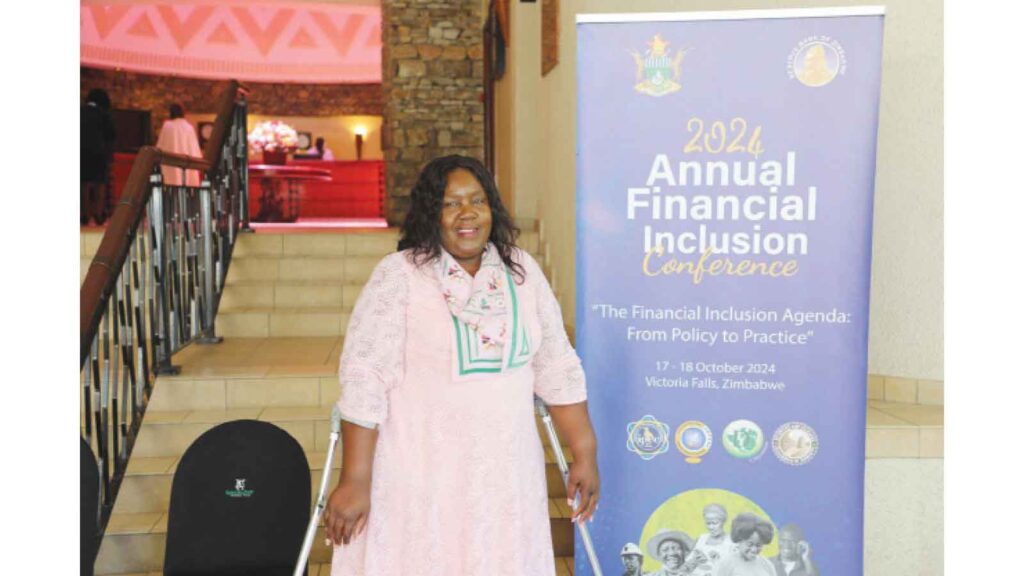
Senator Shiri
The adoption of the National Disability Policy in 2021 established a comprehensive framework for integrating persons with disabilities across all sectors of society. Aligned with the National Development Strategy 1, the policy positions disability inclusion as integral to economic, social and political development.
Complementary measures, including social protection programmes, inclusive budgeting and partnerships with United Nations agencies, have strengthened implementation efforts.
Zimbabwe is further reinforcing its inclusion agenda through the National Disability Policy Implementation Plan (NDPip) (2024-2028), which focuses on translating policy commitments into tangible outcomes at the grassroots level.
Supported by initiatives such as the United Nations Partnership on the Rights of Persons with Disabilities, the plan places particular emphasis on women and girls who experience multiple forms of discrimination.
Launching the NDPip, Public Service, Labour and Social Welfare Minister Edgar Moyo reaffirmed the Government’s commitment to mainstreaming disability inclusion across all sectors.
He noted that clear timelines and responsibilities have been established to ensure inclusion is embedded within national development processes rather than treated as an afterthought.
“The National Disability Policy Implementation Plan establishes clear timelines and responsibilities for Government ministries and other actors, ensuring that disability inclusion is not treated as an afterthought but is mainstreamed across all development sectors,” he said.
Beyond policy, institutional attitudes are also evolving. In a move reflecting growing commitment to disability inclusion, the National Prosecuting Authority of Zimbabwe recently conducted disability awareness training for its senior management.
The initiative aimed to strengthen prosecutors’ capacity to handle cases involving persons with disabilities while promoting a more inclusive and accessible justice system, particularly for women and children.
Zimbabwe’s disability inclusion efforts are guided by the Convention on the Rights of Persons with Disabilities, a United Nations treaty that promotes a rights-based approach to disability and calls for the full participation of persons with disabilities in all aspects of society.
While challenges such as stigma, accessibility gaps and resource constraints persist, the momentum towards inclusion is increasingly evident.
Limitations no longer define women with disabilities; they are shaping livelihoods, influencing policy and contributing meaningfully to Zimbabwe’s development.
As the country advances its inclusive development agenda, empowering women with disabilities is not only a matter of equity, but a vital driver of sustainable national progress.



