admin
admin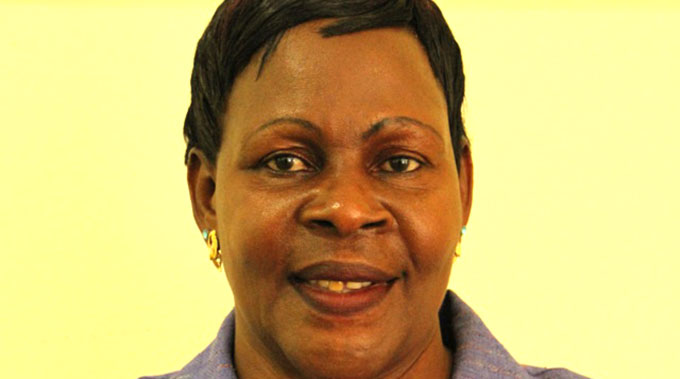
Leonard Ncube, Victoria Falls Reporter
FEMALE parliamentarians in Africa have called for their inclusion and capacitation despite their social standing as part of efforts to eradicate terrorism and violent extremism on the continent.
Official statistics show that in 2021, about 48 percent of 3 461 global terrorist deaths occurred in Sub- Saharan Africa, while deaths and the magnitude of terrorism and violent extremism on the continent rose by over 1 000 percent between 2007 and last year.
The resurgence of unconstitutional changes of governments, the expanding threat of terrorism and violent extremism across the continent continue to negatively impact on the peace, security, sovereignty and territorial integrity of African states
Other contributing factors include an influx of foreign terrorist fighters, private military companies and mercenaries and the proliferation of armed groups as well as transnational organised crime.
The African Union (AU) has noted that terrorism increased on the continent from 2011, with the Libyan crisis.
This opened the way for the arrival of foreign mercenaries in the Sahel and an influx of terrorist organisations defeated in the Middle East.
Terrorism has since spread to other parts of the continent. From Libya to Mozambique, Mali, the Gulf of Guinea in West Africa, Somalia, the Sahel, the Lake Chad Basin and eastern DRC, the terrorist contagion continues to grow.
Speaking during the 78th session of the Executive Committee of the African Parliamentary
Union (APU) and 44th Conference of Presidents of National Parliamentary Assemblies of APU in Victoria Falls yesterday, female parliamentarians called for their empowerment and active participation.
They argued that poverty, among other factors continue to drive citizens into terrorism and violence.
The president of the Senate, Cde Mabel Chinomona, who is also vice president of the executive committee representing Southern Africa, said empowering female leaders and women in conflict zones could be an effective strategy to combat violent extremism.
“While terrorism is a global phenomenon, Africa bears the greatest brunt of it, largely due to limited military resources and economic deprivation, which lures many young people into joining extremist groups.
“Regrettably, if this trend continues unchecked, terrorism has a potential to undermine African Union’s Agenda 2063 vision, ‘The Africa We Want’, which seeks to transform Africa into the global powerhouse of the future,” she said.
Cde Chinomona said women disproportionately suffer abductions and kidnappings and are also invariably subjected to organised rape, sexual assault, forced marriages, forced conversions, and sexual slavery.
“We need to rise to the occasion and propose robust strategies to end this violence against our people and in particular the vulnerable segments of our societies such as women, children, the elderly and disabled people. Indeed women are not only victims of terrorism and extremism, but can also be agents of change and possible solutions to addressing the twin evils of terrorism and violent extremism,” she said.



 Online Reporter