Vusumuzi Dube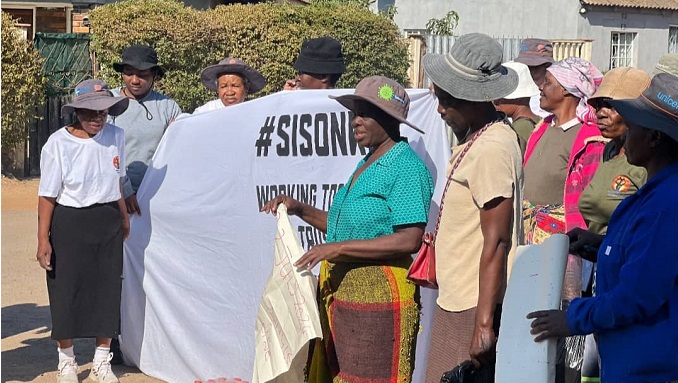
Sunday News Reporter
Sisonke Working Together Trust has launched a climate change ambassador pilot initiative in Mzilikazi and Lobhengula primary schools aimed at empowering youths at the grassroots level.
The organisation’s director, Mr Themba Phiri said lack of public awareness and education about climate change in the community is a cause of concern.
He said there is a need to educate residents to promote their active involvement in addressing climate change issues.
“Let us take action before the situation becomes worse, we want to mobilise the youth to also join the cause however there is an alcoholism problem which makes it difficult to gather the youth towards climate change,” he said.

He noted that Sisonke has initiated several projects aimed at advancing climate change action and promoting sustainable communities.
One such initiative, Green Wednesday, involves mobilising women in township areas to participate in community clean-up efforts and land clearance activities.
The weekly initiatives are aimed at clearing and preparing parcels of land for future community garden projects.
“We have engaged with relevant stakeholders such as the city council to allow us to utilise these areas as community gardens which will act as carbon sinks,” he said.
Recently, a climate change ambassador program was launched by the trust, starting with pilot schools Mzilikazi and Lobhengula primary.
The program aims to equip ambassadors with in-depth climate knowledge to empower youth at the grassroots level.
On Monday, the organisation marked Climate Emergency Day, a global call to action designed to raise awareness and spur decisive efforts to combat the escalating threats posed by climate change by having a march in Mzilikazi suburb.
The primary objective of the march was to emphasise the necessity for community members to proactively engage in township clean-up efforts and to urge leaders to address greenhouse gas emissions before the effects of climate change reach an irreversible stage.
Bulawayo City Council (BCC) representative at the march, Mrs Nomusa Mamusa Nokwanda, emphasised the importance of integrating initiatives aimed at addressing the shift in attitudes toward littering and climate change into the curriculum.
“There needs to be a behaviour change toward littering, let us change our mind-set toward waste,” she said.
She also added that the recycling industry is now a lucrative business that creates economic opportunities.
“We used to look at plastic, metal, and other waste material thrown out by residents as garbage, but today those materials can be recycled for money, other communities gather their recyclable waste and call companies to collect the waste and get money for it. This is something Sisonke can venture into,” she said.


 Online Reporter