Chronicle Editor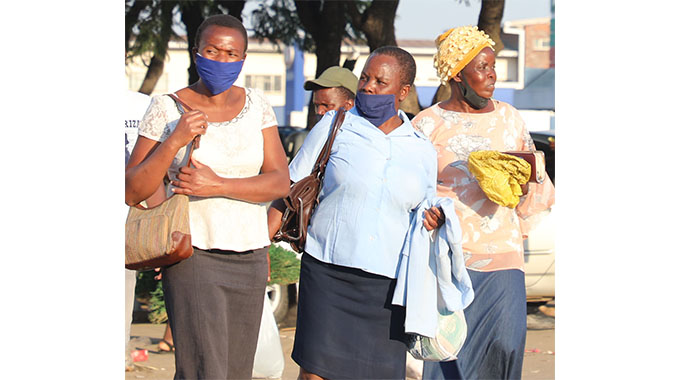
Andile Tshuma, Gender
Celebrating women’s day last year, everything was different. The pandemic hadn’t been so bad yet. South Africa had recorded a few cases, Zimbabwe was just a few weeks before lockdown, but nobody knew life would change so drastically.
Life was still “normal”.
People struggled, yes, but they had the liberty and freedom to hustle and toil to put food on the table.
Mothers could still continue with their daily grind, and ensure the children were clothed and fed. Cross-border traders were in business, children were in school, hawkers were selling all over town, some were selling their sandwiches in the industrial areas, those with clothing boutiques were hoping for a few more customers to walk in before they closed for the day. Teachers aimed to cover a third of the syllabus before schools closed. Church ladies were preparing for their Easter conferences.
Life was just the way it was, with its daily struggles, its triumphs and losses. Then everything just changed. Overnight.
Incomes were lost, the unemployed and self-employed were hardest hit. Even the employed were affected, some companies closed for good.
People had to be indoors and be locked down, safe from the raging killer virus. Only essential service workers could be out, and even for them it was such a huge sacrifice, standing at the frontlines serving their fellow countrymen and women.
Some families went hungry, neighbours were there for each other. For most families in the western suburbs in Bulawayo, the World Food Programme-initiated food voucher project for low income families saved the day.
I was talking to one woman who said she pushed a trolley full of groceries for the very first time in her life because of the voucher card she got from WFP. I was touched. The programme brought dignity to so many struggling families. It was empowering.
Life continued and people began getting used to the new normal. Children were not going to school, then came online lessons and radio lessons, mums became full time teachers at home.
Days turned to weeks, weeks turned into months and months flew by, and we are now in 2021, now having learnt to live with the virus.
Pictures of women on Women’s Day 2020 were filled with pearl white smiles and happy lips with scarlet lipstick for some. Hugs, holding hands, and groupies.
This year was different, it was Women’s Day without the happy bright faces with the pearly white smiles and cherry lipstick.
It’s been a mask affair, one would have thought it’s a Halloween party with some weird theme, or a remake of life in 1918, when the influenza was raging.
Despite all the hardships, women have risen to the occasion.
It has been hard. Our mothers, daughters and sisters have remained steadfast, holding the fort.
Lives have been lost, some of our sisters are no longer with us, and those who are fortunate to be still in the land of the living are still fighting.
It has been indeed an ugly battle.
Some have lost their sources of income for good.
Some women had small businesses, they couldn’t pay utilities during the lockdowns without any productivity, their small establishments folded.
Some were fortunate, they managed to capitalise on the lockdown and find opportunities there to feed their families.
Some made their big breaks during the lockdown.
Some survived on the benevolence of their neighbours.
The spirit of oneness reigned supreme during the course of this past year. People worked with their community leaders to ensure that those who had no food had something to eat.
Even the diasporans worked with their community leaders to give back to the communities that raised them.
Widows, the elderly, child headed families and many vulnerable families got assistance from children who grew up in their communities and are now based in the diaspora. Most of these initiatives were spearheaded by women.
Women have proven, during the past year, that they can lead. Their leadership throughout this past year has been par excellence. Teachers have been in touch with their pupils, performing some heroic acts even when locked down.
Many female teachers have helped families of children locked up with abusers, they have tipped off the police and helped get help for the families of their pupils, during the lockdown. Teachers who knew the home situations of their pupils have helped channel resources such as food to the families of some of their most needy learners.
Some women had to endure untold suffering and Gender-Based Violence when they were locked down with abusers. Yet, their spirits have not been broken and they live with renewed hope for better days ahead.
Generally, women have shown they are good leaders. They have proved to be united in their diversity, and no matter how different we all are, this pandemic situation reminded people that we are all just one family of the human race.
Think about the many women who during the lockdown started a business of selling vegetables and grocery items from their cars.
Even those who do not have bakkies sold from the boots of their sedans and hatch backs. Some had to travel to mining communities to sell all kinds of stuff, and it worked.
While this was illegal for most of the time, it also shows that women could do anything for the survival of their families, they risked their lives and getting infected just to get by and ensure that families could get by.
Spare a thought for our informal traders, our mothers, sisters in the flea market business.
Sky top was closed, Fort Eleven was closed, Unity Village was a ghost town, Sekusile, Entumbane, and Emganwini flea markets were all ghost towns. And those places provide a source of livelihood for thousands of families. Even so, most of these women found other means to survive the lockdown, it was tough, but they worked hard.
Some women relied on the taxi industry, and their incomes were crashed when it came to a crashing halt owing to the lockdown.
These women were kombi owners, employees of taxi associations, vendors and hawkers who rely on the hive and buzz of taxi ranks to sell wares to commuters and earn a living. It was hard for them too. In fewer instances, these women were also drivers and conductors of these kombis. They lost incomes too.
Some women were domestic workers, when people went into lockdown for months, incomes were depleted for many and child minders were no longer much needed, so domestic workers were sacrificed to save a penny for the families. Those domestic workers who lost their jobs during the lockdown also had families looking up to them for sustenance.
It was very hard for them too.
What a year it has been, but women have continued to lead, their resilience is unparalleled.
Happy Women’s Day to every woman out there. You are special and your efforts are noticed. Keep pushing. You have managed to stand undefeated one full year with the pandemic, and that calls for a celebration. You are celebrated. Mbokodo! — @andile_tshuma.



 Online Reporter