

 Online Reporter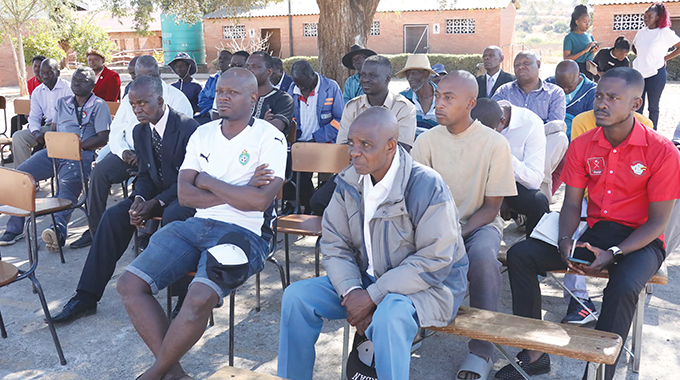
Nomalisa Gumpo, [email protected]
IN a welcome turn of events, women from Ward 23, Nkulumane Suburb in Bulawayo together with their councillor, Ntombizodwa Khumalo, hosted a Men’s Idale, an event aimed at encouraging men to engage in open discussions about the societal pressures they face.
Idale/Dare is a traditional gathering of men, both young and old, where they take turns to offer advice and address key issues within the community.
The event, held at a local school, followed the successful Men’s Mental Health Month engagement in June. The women of Ward 23 took a proactive step to support men’s emotional well-being and tackle the social challenges that affect them today.
On Africa Day, May 25, concerns were raised about men often being excluded from conversations, on issues that impact them directly. Rising divorce rates, economic instability, shifting cultural norms and the emotional burden men carry were among the key concerns expressed by women during the Africa Day commemorations.
Councillor Khumalo explained that the Men’s Idale was born from a desire to return to traditional values that emphasised mutual support and the passing down of wisdom.
“In the past, men used to gather and advice one another. Young men would learn from their elders about respect, responsibility and how to sustain a marriage. The high divorce rates and complaints from women about the lack of support from their partners were raised. As women, we realised the need to create a space where men could open up about what they are going through,” she said.
She added that the aim is for the Men’s Idale to become a recurring initiative held every three months, offering men a consistent platform for reflection and mutual support.
The meeting also stressed the importance of health awareness among men, particularly in relation to their physical and mental well-being.
Padare/Enkundleni Men’s Forum Programmes Officer, Mr Ziphongezipho Ndebele, highlighted the increasing impact of economic pressures on men.
“Many men are overwhelmed as they struggle to meet their families’ financial needs, which leads to stress and in some cases, violence. There’s also excessive pressure among men when it comes to sexual performance, which drives some to take harmful substances just to prove a point,” he said.
Mr Ndebele encouraged men to reject rigid societal definitions of what it means to be a “real man” and instead focus on self-awareness and open communication.
“Know your limits as a man, talk to your family about what you can and cannot do and seek help when needed, whether from another man or a professional. Things have changed, but our values of respect and building supportive communities should remain intact,” he said.
He also emphasised the importance of adapting to social changes, including the empowerment of women.
“In the past, women were denied education, but now they can go to school and are supported by various organisations. We must allow and respect that progress but at the same time, we must ensure that the boy child is not left behind,” Mr Ndebele added.
The Men’s Idale served as a powerful reminder that, in a rapidly changing world, safe spaces for men to share, learn and grow are more essential than ever. With ongoing support from women and community leaders, such initiatives play a vital role in building healthier, more inclusive societies.


