

 admin
admin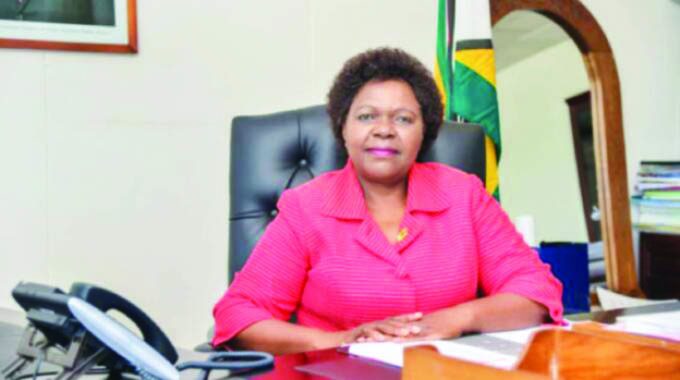
Johnson Siamachira-Correspondent
iN Zimbabwe, the intersection of gender and climate change presents a complex tapestry adorned with both challenges and opportunities.
Women, who make up the majority of the agricultural workforce, face unique obstacles that are now being exacerbated by climate change.
However, despite the challenges, there are notable successful initiatives aimed at improving their livelihoods and increasing their resilience to the multi-faceted difficulties.
Climate change has intensified the frequency and severity of droughts and floods in Zimbabwe, adversely affecting food security.
According to the Zimbabwe National Statistics Agency (ZimStat), women constitute approximately 70 per cent of the agricultural labour force, primarily working in smallholder farming.
Yet, they often lack access to critical resources such as land, credit and education.
“The impact of climate change disproportionately affect women,particularly those in rural areas who rely heavily on agriculture for their livelihoods,” said Permanent Secretary for Women Affairs, Community, Small and Medium Enterprises Development Dr Mavis Sibanda.
“They face increased workloads as they are tasked with finding food and water for their families during times of drought.”
In developing countries, such as Zimbabwe, women control less land and usually farm the least viable soil in the village.
But add to those obstacles, droughts, floods, or even mild shifts in climate that reduce or devastate crops, women and their families are immediately plunged into deeper poverty.
Women’s crops are usually used to feed the family or sold to provide income for school, medicine, or household needs.
A bad crop year can be catastrophic for families and communities who rely on smaller farms to supplement their income.
The 2022 report of the Zimbabwe Vulnerability Assessment Committee highlighted that women-headed households are more vulnerable to food insecurity, with many facing chronic malnutrition.
“Climate change is not just a threat to the environment; it is a direct attack on women’s livelihoods, health, and safety,” says the Gender Advisor at CARE Zimbabwe, an international non-governmental organisation, Ms Angeline Ndabaningi.
Despite these obstacles, women in Zimbabwe are not simply accepting the status quo, but are leading the charge to find innovative solutions.
In Mwenezi District in Masvingo Province, Mrs Sheba Ngara and her community have built water harvesting systems to combat the severe droughts that are drying up traditional water sources.
With CARE’s support, Ms Ngara’s community no longer travels over 5km in search of water for their crops and livestock.
The water harvesting system has secured the village’s food supply and allowed them to sell surplus vegetables, boosting the local economy.
The income generated helps fund school fees and community savings programmes, offering hope amid the climate change chaos.
“Through training in drip irrigation and drought-tolerant seeds, we have seen women increase their yields even in challenging climates,” said Ms Ndabaningi. “These women are not just feeding their families; they’re becoming community leaders and advocates for sustainable development practices.”
Additionally, Government has recognised the importance of gender inclusivity in addressing climate change.
In 2017, the Ministry of Women Affairs, Community, Small and Medium Enterprises Development launched the revised National Gender Policy aimed at ensuring that women were included in climate adaptation strategies.
Energy access remains a critical issue for women in Zimbabwe, particularly in rural areas where reliance on traditional biomass fuels creates both health hazards and environmental degradation.
The introduction of renewable energy facilities, such as solar energy and biogas solutions, has been a transformative step.
“Solar energy is a game changer for women,” says the Zimbabwe Energy Regulatory Authority.
“It reduces the time spent collecting firewood and allows women to engage in other productive activities, such as education or small business development.”
Programmes such as the Solar for Schools initiative, supported by the private sector and non-governmental organisations, are equipping schools in rural areas with solar panels, directly benefiting girls by providing them with a conducive learning environment.
The project is being implemented by the Ministry of Primary and Secondary Education in partnership with UNICEF and funded by the UK government’s Foreign, Commonwealth and Development Office through a US$2 million grant.
It seeks to provide solar energy to 150 schools in remote parts of six districts across the country and will serve as a backbone to the initiative to provide internet access to all schools by 2030.
“Now that we have reliable solar power, we hope to start increasing the amount of time children spend in the computer lab,” says Mr Aleck Mupambwa, an Information and Communication Technology teacher at Ngaone Primary School in Chipinge district in southern Manicaland.
“Having lights in our classrooms means that girls can study after dark, which is crucial for their education.
“This is helping to close the gender gap in education.”
The Zimbabwe Climate Change Strategy, launched in 2015, emphasises gender-responsive approaches in all climate-related projects.
“Our strategy outlines how we can integrate gender considerations into our climate action plans,” said director in the climate change management department at the Ministry of Environment, Climate and Wildlife Mr Washington Zhakata.
“This is essential for achieving sustainable development.”
In addition, international non-governmental organisations such as the United Nations Development Programme have been instrumental in providing funding, training and technical support for gender-focused climate initiatives.
As Zimbabwe grapples with the realities of climate change, the empowerment of women remains crucial.
Increased access to resources, education, and decision-making roles in agriculture and energy sectors can significantly enhance resilience.
“Investing in women is investing in the future of Zimbabwe,” Dr Sibanda said. “Their skills, knowledge and leadership are key to navigating the challenges posed by climate change.”
While the road ahead may be fraught with challenges, the combined efforts of the government, NGOs, and the private sector are paving the way for a more equitable and sustainable future for all.



 Online Reporter