Online Reporter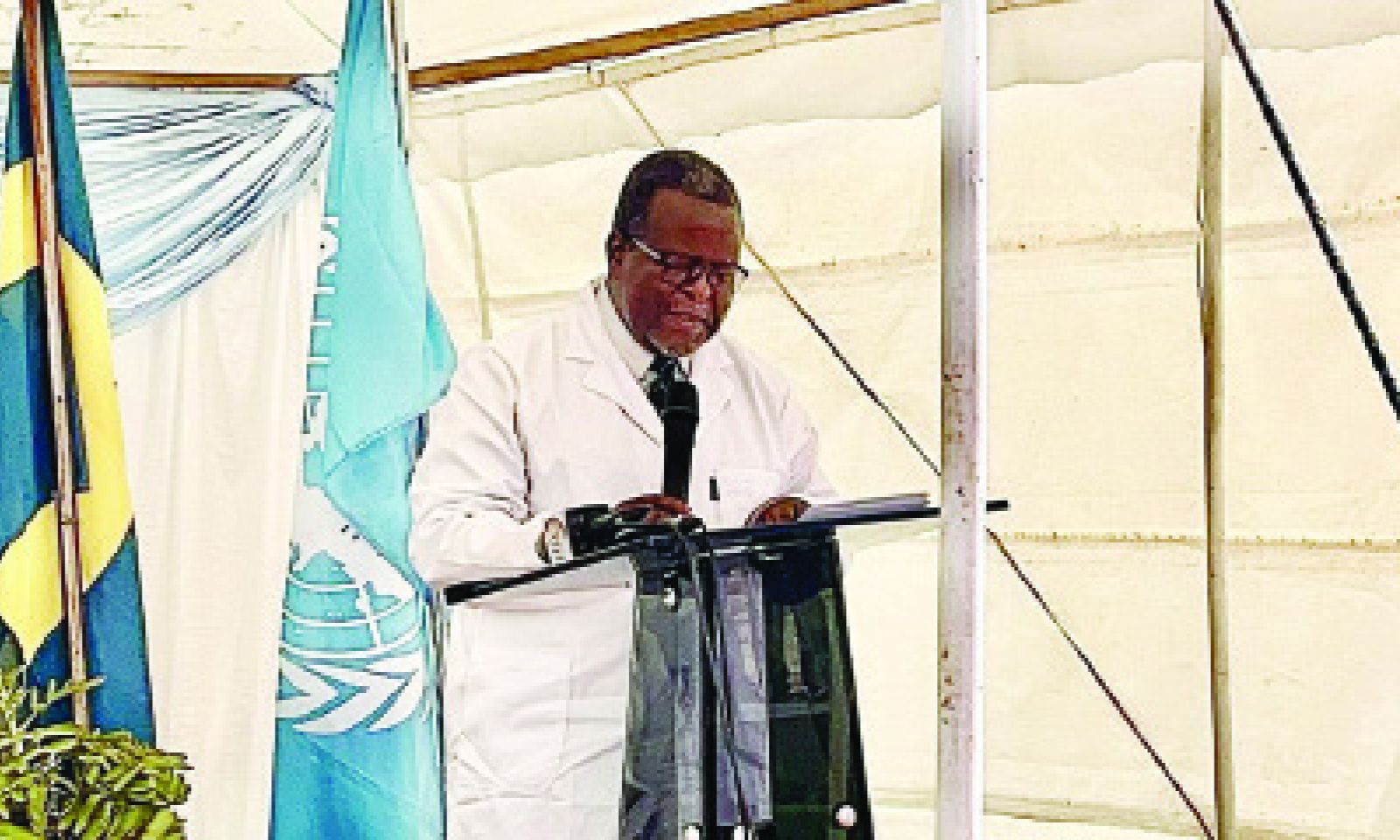
Tafara Chibanda
Women in the informal waste sector are set to benefit from the Harare Sustainable Cities Initiative (HSCI) a ground-breaking initiative aimed at transforming waste management into a sustainable and profitable industry.
Launched in Tafara, yesterday, HSCI seeks to improve working conditions, create jobs, and empower women reclaimers who have long been marginalised in the sector.
The initiative, a collaboration between the government, UN-Habitat, and the Swedish International Development Cooperation Agency (SIDA), will redesign former waste transfer stations into modern and mechanised recycling hubs.
These centres will provide safer working environments, protective gear, and training in value-added recycling, offering women greater financial independence and formal recognition in the industry.
Speaking at the event Reverend Davasani the Deputy Chief Secretary in the Office of the President and Cabinet said , the project aligns with Zimbabwe’s National Development Strategy 1 (NDS1) and Vision 2030, which prioritise sustainable urban development and job creation.
“This project will transform livelihoods by equipping communities, particularly women and youth, with the tools they need to participate meaningfully in a circular economy,” he said.
“It is through such initiatives that we can realise our Vision 2030 and create sustainable job opportunities.”
The project has received backing from various international partners, including the French Embassy, the German Embassy, and the Australian Direct Aid Program.
It will be implemented by Zimbabwe Sunshine Group, Green Building Council of Zimbabwe, and Sober Life International, in partnership with local authorities such as the City of Harare and Epworth Local Board.
Zimbabwe Sunshine Group, one of the project’s key implementing partners, has pledged to prioritise women’s economic empowerment.
Speaking at the event Zimbabwe Sunshine Group executive Director Ronny Mbaisa said:
“We are particularly dedicated to supporting women waste-pickers in our neighbourhoods, providing them with opportunities to thrive and dismantle gender barriers within the recycling industry.
“By improving working conditions and access to better recycling facilities, we are not only promoting environmental sustainability but also creating meaningful economic opportunities.”
He also said,women form the majority of Zimbabwe’s informal waste-picking workforce, collecting recyclable materials from dumpsites and streets to sell for a small income. Despite their crucial role in waste recovery, they often face unsafe working conditions, health risks, and social stigma.
The HSCI initiative aims to address these challenges by formalising their work and integrating them into structured recycling networks.
He added:
“The recycling hubs, equipped with semi-processing machinery, will allow women and youth to engage in more efficient waste sorting and recycling.
“This will help increase their earnings while reducing the amount of waste sent to landfills, “ he said.
Development partners have also highlighted the importance of renewable energy solutions in waste management. The initiative will incorporate clean energy technologies to power recycling operations, making the project both economically and environmentally sustainable.
The Harare Sustainable Cities Initiative is expected to enhance the dignity and financial stability of waste pickers; while reducing urban pollution, it also serves as a model for other cities in Zimbabwe looking to implement sustainable waste management systems.
Women reclaimers, once at the margins of the economy, are now seen as key players in Zimbabwe’s Zero Waste Movement, driving the country towards a greener, more inclusive future.