Peter Tanyanyiwa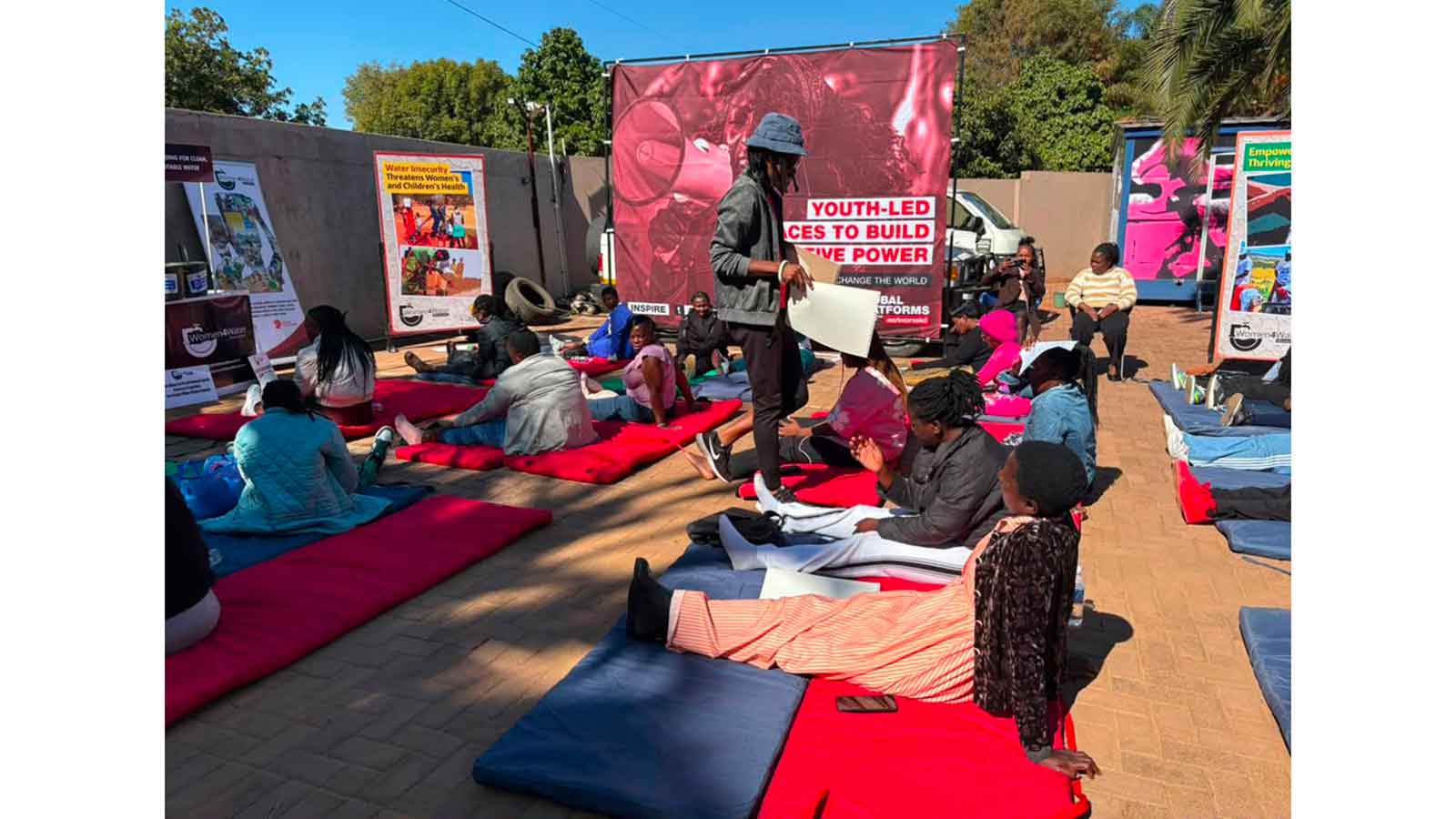
Herald Reporter
Women from Chitungwiza on Friday converged in Harare for the Women4Water Movement’s Water Justice Exhibition and Artivism Storytelling Campaign, using art, poetry and personal narratives to highlight the impact of persistent water shortages on their communities.
The event provided a platform for women and girls to share their experiences and advocate for affordable, reliable and equitable access to clean water and improved sanitation services.
Participants used creative expressions, including paintings, poems and storytelling, to amplify the voices of residents who continue to bear the burden of inadequate water supplies.
According to Chitungwiza Municipality spokesperson Mr Tafadzwa Kachiko, the town receives an average of 16 megalitres of water per day against a daily demand exceeding 70 megalitres.
The limited supply is rationed among approximately 58 000 properties, with most households receiving water only twice a week.
However, the municipality estimates that more than 96 000 households depend on the available water as multiple families often share residential properties.
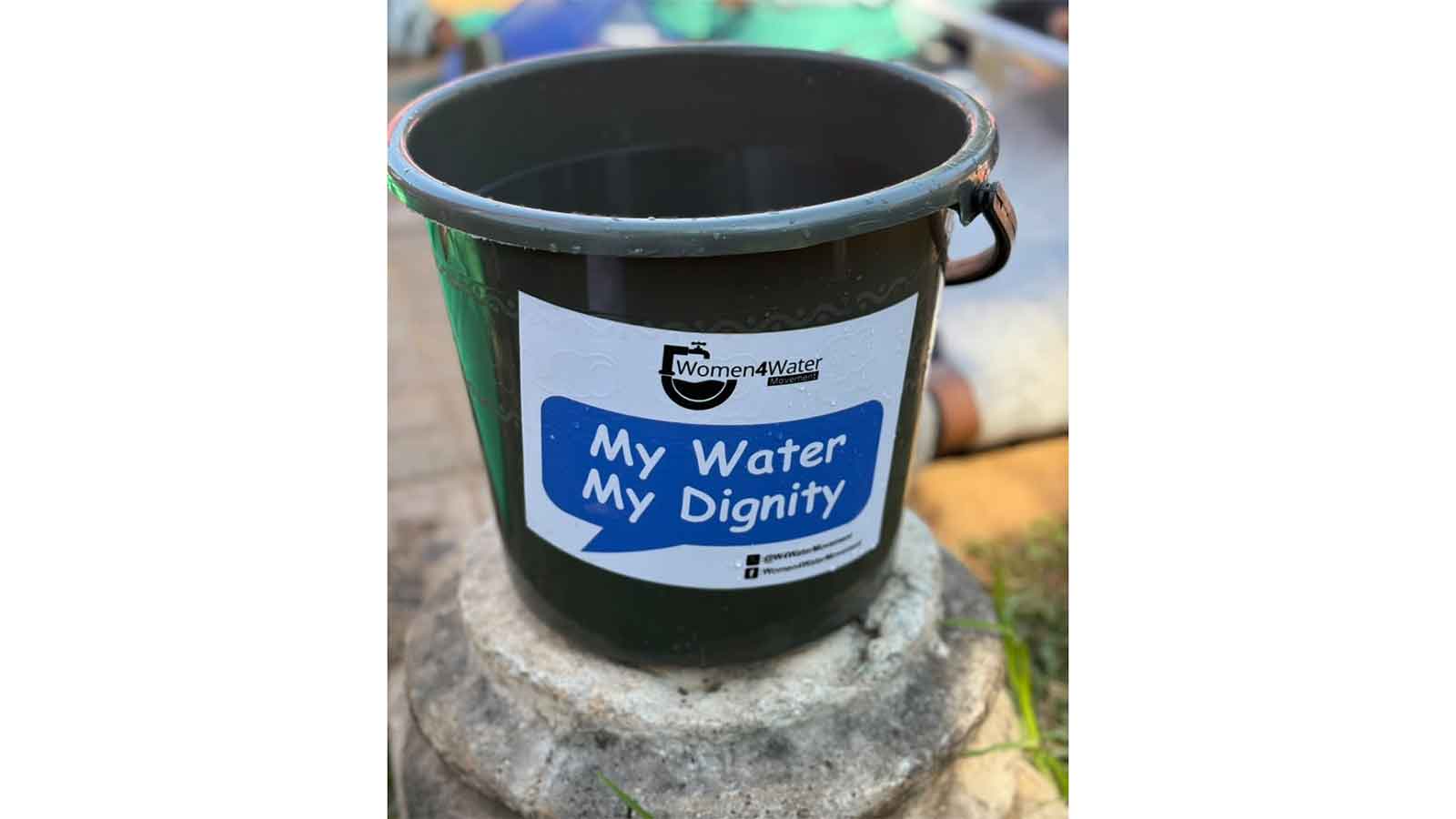
Mr Kachiko said the water deficit continues to exert significant pressure on residents and the municipality’s ability to provide essential services.
During the exhibition, women narrated the challenges they face in accessing water, describing how shortages have become a daily reality for many households.
They said families often spend hours searching for water, while women and girls are disproportionately affected as they shoulder the responsibility of sourcing water for domestic use.
Participants said sleepless nights had become common as households constantly worried about where they would obtain water the following day. Some women from Zengeza said access to water had become so difficult that taking a bath was now considered an achievement, while others revealed that families were surviving on very limited quantities of water for basic household needs.
The women also raised concern over persistent sewer bursts, saying raw sewage frequently flows through residential areas, creating serious health hazards and undermining the dignity of residents.
One participant recounted the painful experience of her daughter falling pregnant at the age of 14 after regularly visiting a communal water point, highlighting the social risks associated with water scarcity.
Women4Water Movement representative Ms Sheryl Tendai Chigwedere said the campaign was intended to ensure that the voices of affected women were heard and acted upon.
“Water challenges are not just about infrastructure. They are about dignity, health and the everyday realities faced by women and girls,” she said.
“Through this artivism campaign, women are telling their own stories and demanding action from those responsible for providing water services.”
Ms Chigwedere said art was proving to be a powerful advocacy tool.
“Today we are using art as a form of activism. Women are expressing their experiences through drawings, poetry, quotations and storytelling,” she said.
“These creative works reflect the burden of water scarcity and send a clear message that access to clean and safe water is a fundamental human right.”
Speaker at the event, Ms Caroline Mutimbanyoka urged the Government and local authorities to prioritise water and sanitation infrastructure.
“Women should not spend hours searching for water, girls should not be exposed to abuse at water points and communities should not be forced to live alongside flowing sewage. Access to clean water is essential for health, dignity and development,” she said.
Residents also raised concerns over the proposed introduction of smart water meters, fearing that the system could make water unaffordable for vulnerable households.
One widow said she was struggling to fend for her children and feared that she could fail to access water if charges became unaffordable.
“We are already struggling to get water. If it becomes too expensive, many widows and unemployed people will suffer because water is a basic right and not a privilege,” she said.
Participants recommended that authorities guarantee a reliable water supply before implementing any new water management systems and called for increased investment in community boreholes and long-term water projects, including the establishment of a permanent water source for Chitungwiza.
One of the young participants, Natalie Machipisa, called for lasting solutions to the crisis.
“We appeal to the Government and local authorities to continue working towards ensuring that Chitungwiza gets a permanent water source. Access to water should not be a daily struggle for women, children and families,” she said.
The exhibition concluded with a gallery walk where participants reflected on each other’s artwork and consolidated advocacy messages calling for improved service delivery, gender-responsive water governance and the protection of the dignity and rights of women and girls.


 Online Reporter