admin
admin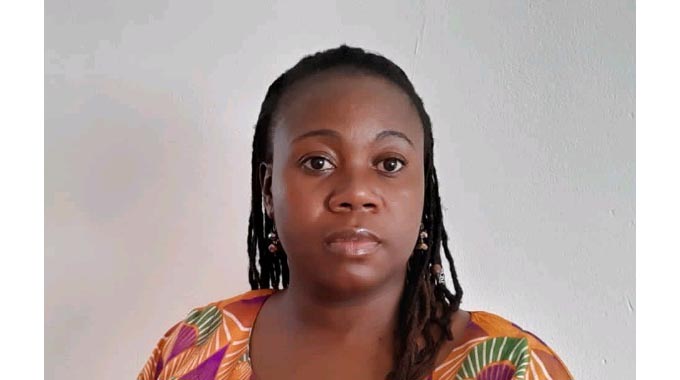
Peter Tanyanyiwa Herald Correspondent
Women4Water, an organisation dedicated to addressing water shortages and their impact on menstrual hygiene, has highlighted the critical link between water shortages and the health and dignity of women and girls worldwide.
They were speaking on , which is commemorated annually on May 28.
Team Leader for Women4Water, emphasised the vital role of access to clean and sufficient water in maintaining proper menstrual hygiene.
“Women and girls require water not only for drinking but also for sanitation purposes during their menstrual cycles. Without reliable access to clean water, they face numerous challenges that compromise their health, privacy, educational and economic opportunities,” she said.
The impact of water shortages on menstrual hygiene is profound. Insufficient water for washing can lead to infections and other health issues, thereby increasing the risk of reproductive and urinary tract infections.
Moreover, inadequate water and sanitation facilities force many girls to miss school during their periods, thereby limiting their future opportunities.
The economic and social implications are equally concerning. The inability to manage menstrual hygiene effectively can prevent women from fully participating in the workforce and community activities, perpetuating cycles of poverty and gender inequality.
In light of this, Women4Water called for immediate and sustained action to ensure that every woman and girl has access to water and sanitation facilities.
This includes investing in infrastructure, promoting awareness about menstrual hygiene, and ensuring that water management policies consider the needs of women and girls.
Caroline Mutimbanyoka reaffirmed Women4Water’s commitment to advocating for these issues.
“By addressing water shortages and improving menstrual hygiene management, we can make significant strides toward gender equality, public health, and the empowerment of women and girls. Together, we can ensure that menstruation is no longer a barrier to a healthy, dignified, and fulfilling life,” said Mutimbanyoka.
RELATED STORIES



 Online Reporter