Peter Tanyanyiwa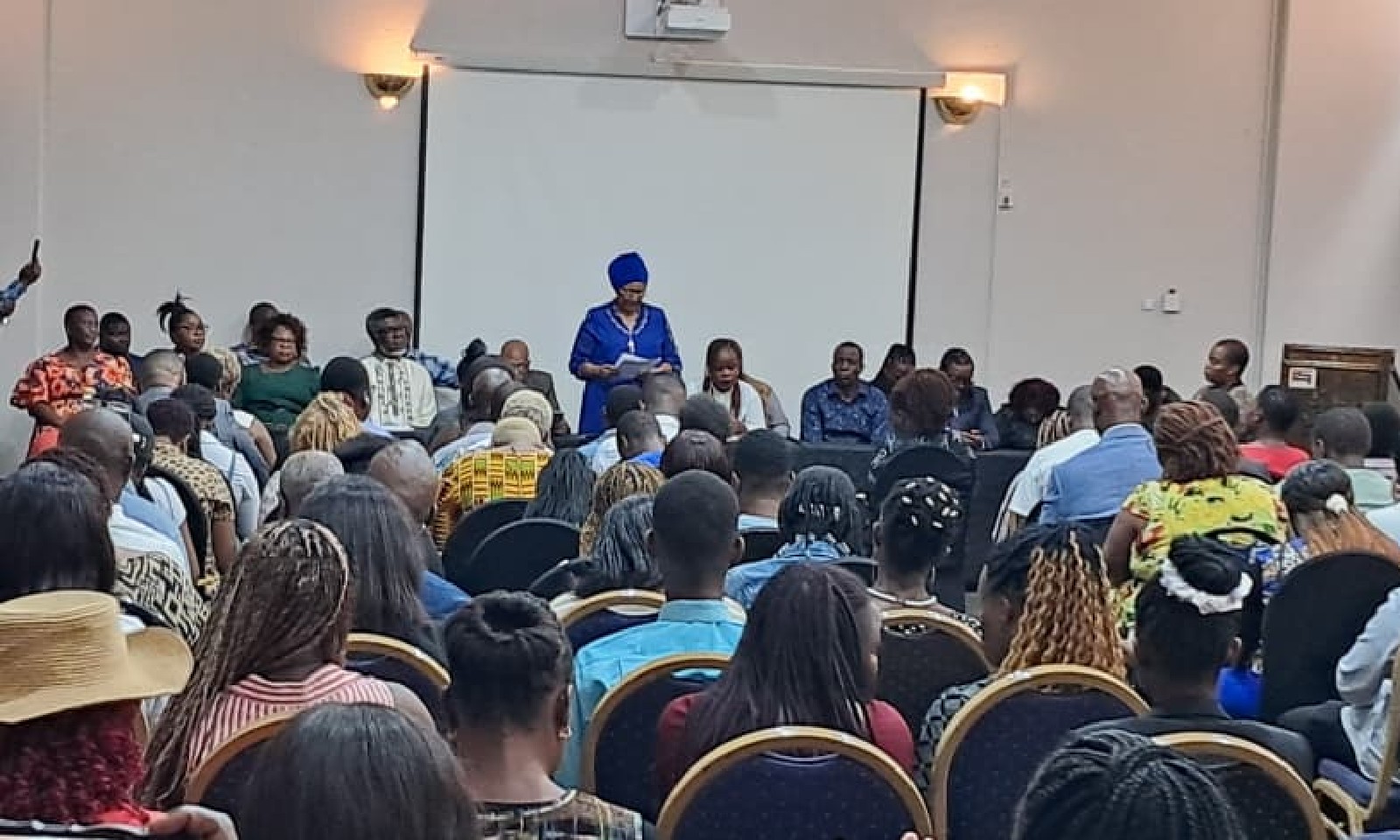
Peter Tanyanyiwa
Herald Correspondent
THE Women4Water Movement is elevating water security to the centre of Zimbabwe’s ongoing Climate Change Management Bill consultations, as Parliament’s nationwide public hearings draw to a close.
The group’s advocacy has shaped several key proposed amendments, aiming to transform the Bill from a technical document into a tangible lifeline for communities grappling with worsening water scarcity.
The Climate Change Management Bill, 2025, represents Zimbabwe’s most comprehensive legislative response to date to the climate crisis.
While the Bill provides frameworks for emissions management, carbon trading, and adaptation, civil society organisations—spearheaded by the Women4Water Movement—have cautioned that its lack of explicit provisions for water security risks undermining its effectiveness and relevance.
Under the leadership of Ms Caroline Mutimbanyoka, the Women4Water Movement has mobilised women, community leaders, and civic bodies across the nation to highlight the disproportionate burdens that water scarcity imposes on women and girls.
Their advocacy draws on first-hand experiences of Zimbabweans in both urban and rural settings, where erratic rainfall, drying dams, and unreliable boreholes have turned the daily search for water a challenge.
At recent public hearings, Women4Water presented a comprehensive critique of the Bill, identifying critical omissions and proposing substantial amendments.
Among their recommendations are the formal recognition of the right to water within the Bill’s guiding principles, a dedicated allocation of no less than 20 percent of the National Climate Fund to water infrastructure, and the integration of gender-sensitive, community-driven approaches to water management.
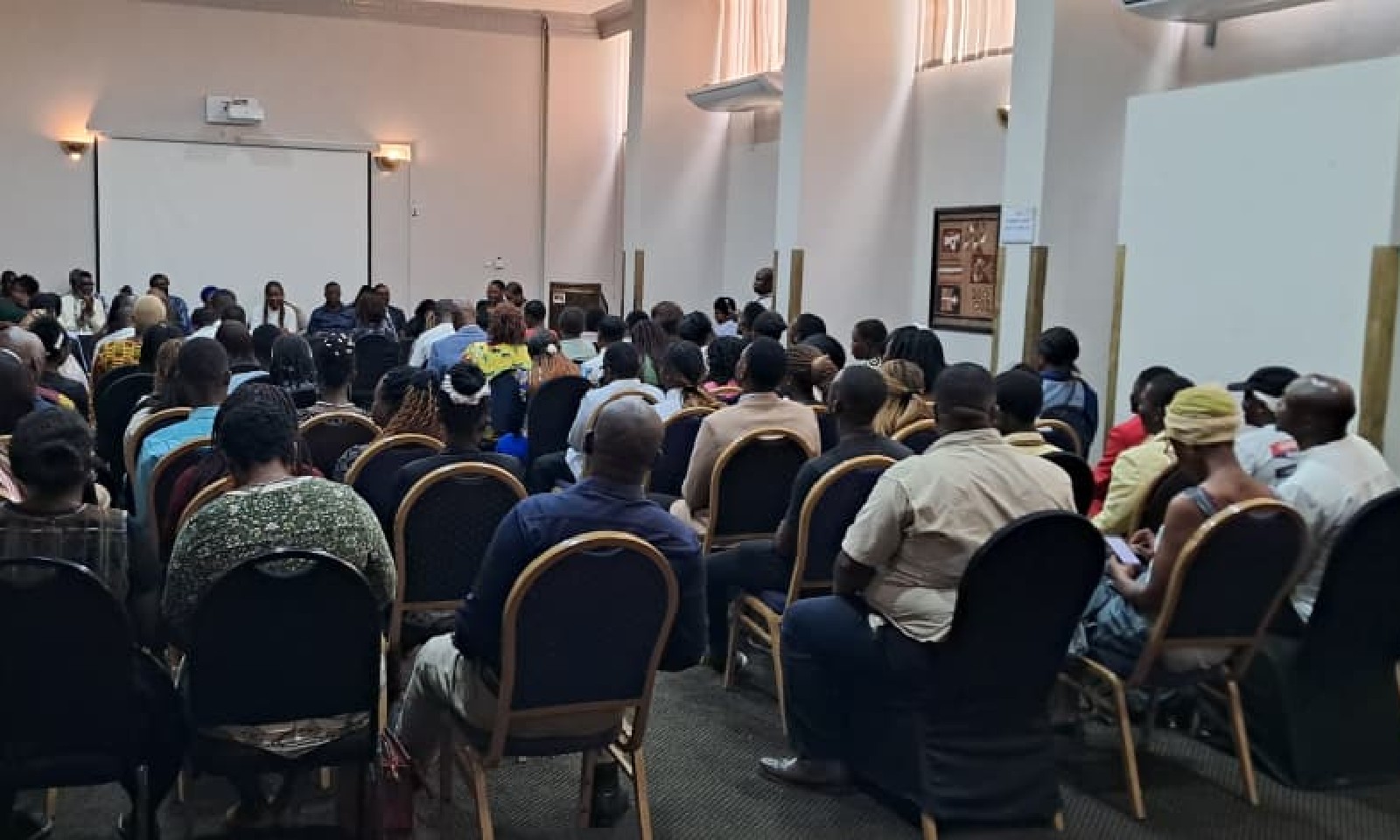
Since the commencement of consultations on October 20, Parliamentary Portfolio and Thematic Committees on Climate Change have traversed the country, soliciting input from citizens, civil society, and technical experts. Despite some challenges—such as insufficient public awareness in remote areas—the hearings have offered a vital platform for groups like Women4Water to ensure that the Bill addresses the lived realities of ordinary Zimbabweans.
Their interventions have found resonance among other organisations, including the Zimbabwe Environmental Law Association and the Green Building Council of Zimbabwe, all of whom have underscored the need for robust and inclusive climate legislation.
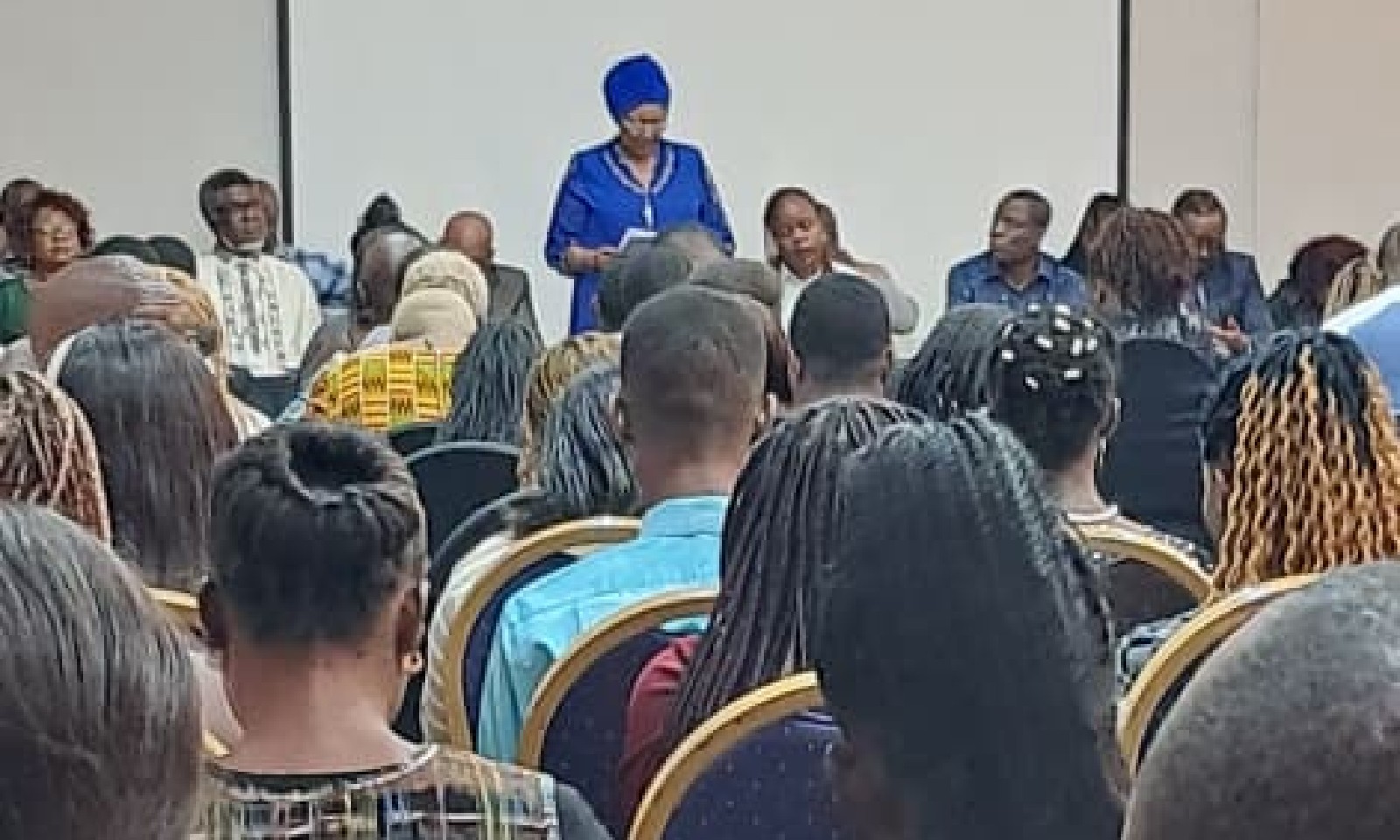
Addressing a session in Harare, Women4Water team leader Ms Caroline Mutimbanyoka stressed the urgency of the water crisis and the necessity for legislative action:
“Water is not merely a resource; it is a right, and the very foundation of life for every Zimbabwean,” she said.
“For generations, women and girls have shouldered the heaviest burden of water scarcity, often at great risk to their health and well-being.
The Climate Change Management Bill must go beyond regulating emissions—it must ensure that every household, in every community, has access to clean, safe, and reliable water. We call upon Parliament to heed the voices of women and make water security central to our climate resilience.”
The Women4Water Movement’s impact exemplifies the increasing influence of civil society in shaping national climate policy.
Organisations such as Action 24 and the Climate Change Working Group have previously played significant roles in policy formulation, and the current round of consultations has further demonstrated the power of coordinated advocacy.
As Parliament prepares to finalise the Climate Change Management Bill, there is mounting pressure to ensure water security is not relegated to an afterthought.
The amendments championed by Women4Water—ranging from institutional reforms and dedicated funding to gender-sensitive planning—are currently under serious consideration.
With the water crisis intensifying and climate impacts accelerating, the decisions made in the coming weeks will determine whether Zimbabwe’s new climate law becomes a genuine lifeline—or remains, as critics warn, a document detached from the daily struggles of the population.



 Online Reporter