Chronicle Editor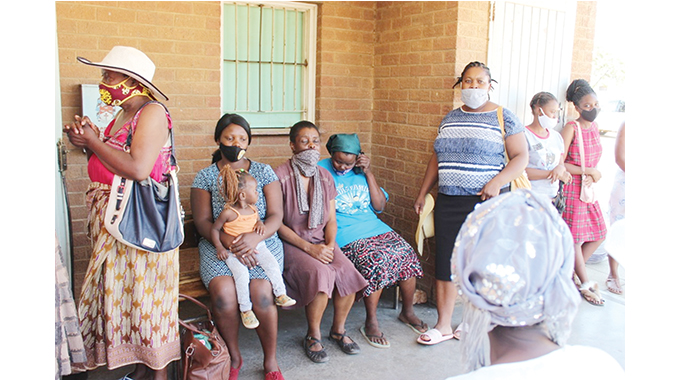
Andile Tshuma
As the breast cancer awareness month comes to an end today, people must move from awareness to action and ensure that the cancer fight is a 365-day event and not something only remembered for a few weeks in October.
Each year, millions come together for a variety of events to show their solidarity and support. However, this often dies down after October 31.
The country is blessed with many organisations championing the rights of women and girls and these organisations must be at the forefront in the cancer fight.
This week, the Women’s Institute of Leadership Development (WILD) hosted a two-day breast cancer awareness outreach programme in Nkulumane suburb where women had the opportunity to get free breast cancer screening, nutritional advice and participate in a workout session among other activities.
WILD was working in collaboration with Island Hospice and Healthcare, and took teams of doctors and nurses to Nkulumane Hall near Sekusile Shopping Centre and Cowdray Park Roman Catholic Church Hall to offer free health services, breast cancer screening and nutrition lessons to communities.
The programmes were targeted at both young and older women, with the aim of reducing the number of people contracting breast cancer and also reducing the number of people succumbing to it.
Among other crucial messages needed by our communities, WILD delivered the lifestyle change message, at a time when more people are succumbing to non-communicable diseases. The doctors explained to groups of women the links between poor diets, inactive lifestyles and cancers, diabetes, hypertension, and how efforts to improve lifestyle would lead to overall healthier lives.
WILD Communications and information officer Ms Duduzile Mathema said lack of screening centres in Zimbabwe contributed to the increase in the number of breast cancer cases in the country and pointed to the need for de-centralisation of screening centres in the country to encourage more women to go for breast cancer screening.
“As it stands, accessible places where women can go for breast cancer screening are quite limited. Such challenges discourage women to go for testing, resulting in most women only seeking health services only when they are too ill, which is often a little too late,” said Ms Mathema.
“Throughout the month of October, WILD has been actively engaging women on breast cancer symptoms, prevention methods and offering details of where to get help. These efforts were also enhanced through conducting radio programmes with health experts who helped in empowering our communities with health information, where we also interrogated the link that exists between indigenous medicines, herbal remedies and scientific treatments,” she added.
Ms Mathema highlighted that transport problems resulted in women having to walk long distances to access health services particularly in rural communities, only to be referred to central hospitals located in the cities, which was a hindrance due to the cost factor involved in travelling.
She said there was need to intensify awareness campaigns in order to reduce the number of people who succumb to breast cancer due to lack of knowledge.
“There is need for change in attitude and more campaigns and outreach programmes such as this, seeing that breast cancer statistics are high as people seek medical treatment late. This is often because people fail to identify the signs and symptoms of breast cancer and lack of skills on self-breast examination. It is our hope as WILD that such awareness programmes will help our communities to change their attitudes towards seeking health services early,” said Ms Mathema.
She added that the workout session was aimed at introducing and promoting a fitness culture in women.
“There is more that needs to be done to ensure that awareness is raised to conscientise women on what breast cancer entails. Awareness is usually concentrated in the month of October. Health officials and organisations should promote breast cancer awareness through the year to help promote early detection and early treatment,” said Ms Mathema.
She added that the state of health services provision in the country needed improvement to afford women adequate healthcare all year round.
“There has to be deliberate effort that ensures clinics offer breast cancer screening for free especially in the townships and rural communities. There is a vast shortage of equipment needed for screening, and improvements on that are needed,” she said.
Women’s organisations must leave up to their mandate and ensure that even those in rural communities benefit from such programming.
Women’s organisations must rally behind the call to eliminate breast cancer, cervical cancer as well as all cancers as a growing health problem through engaging in programming that helps women access health information and health services, which helps save lives.
The health of women and girls matters now more than ever as the Covid-19 pandemic is threatening to shift focus from other ongoing efforts to deliver quality health services as resources are being channelled towards the pandemic.
It is an opportune time for women’s organisations to ensure that the rights of women and girls and their health are taken care of.
These organisations must also question how cancer units and radiography machines at public hospitals can go for months and years lying idle, non-functional in need of repairs, yet women die on a daily basis for lack of treatment.
Investing in the health of girls and women is critical in ensuring that they are empowered and can help in the development of their communities and there is need for stronger integration of services to improve health outcomes among adolescent girls and young women.
The Covid-19 pandemic and the restrictions in movement increased women’s risks to succumb to cancer as borders were closed and women could not seek health services beyond the country’s borders, yet most cancer screening machines at Mpilo and Parirenyatwa central hospitals were not functional. This should never be allowed and it is the work of women’s organisations to ensure that they are the voice and speak on behalf of every woman, demanding quality healthcare services in the public health system.
Evidence from most epidemics and pandemics indicates that resources are often diverted from routine health services which further reduces access of many young girls and women to basic health services. The pandemic has exacerbated the gap in healthcare, and efforts must be made to ensure that this gap is closed and everyone gets quality health services as and when needed.
Aggressive campaigns against cancer should be louder around the world, and women’s representatives must ensure that their constituencies are well represented.


 Online Reporter