Online Reporter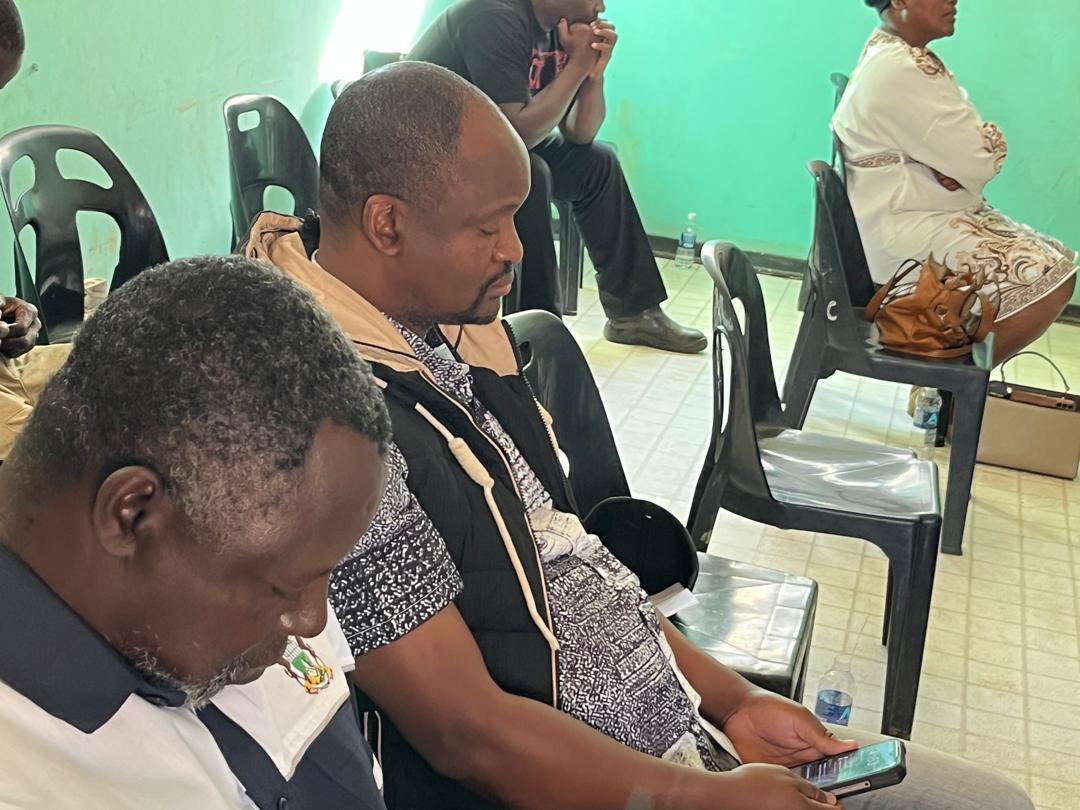
Nothando Zondo, [email protected]
IN Umzingwane District, farmers and miners depend on the same land for their livelihoods. Farmers need grazing land, clean water and fertile soil to raise livestock and grow crops. Miners need access to mineral-rich areas to earn a living and contribute to the economy. Yet as both sectors continue to expand, competition for resources is becoming increasingly intense.
From damaged grazing land and silted dams to disputes over water and environmental concerns, tensions between farmers and miners have become a growing challenge in parts of Matabeleland South.
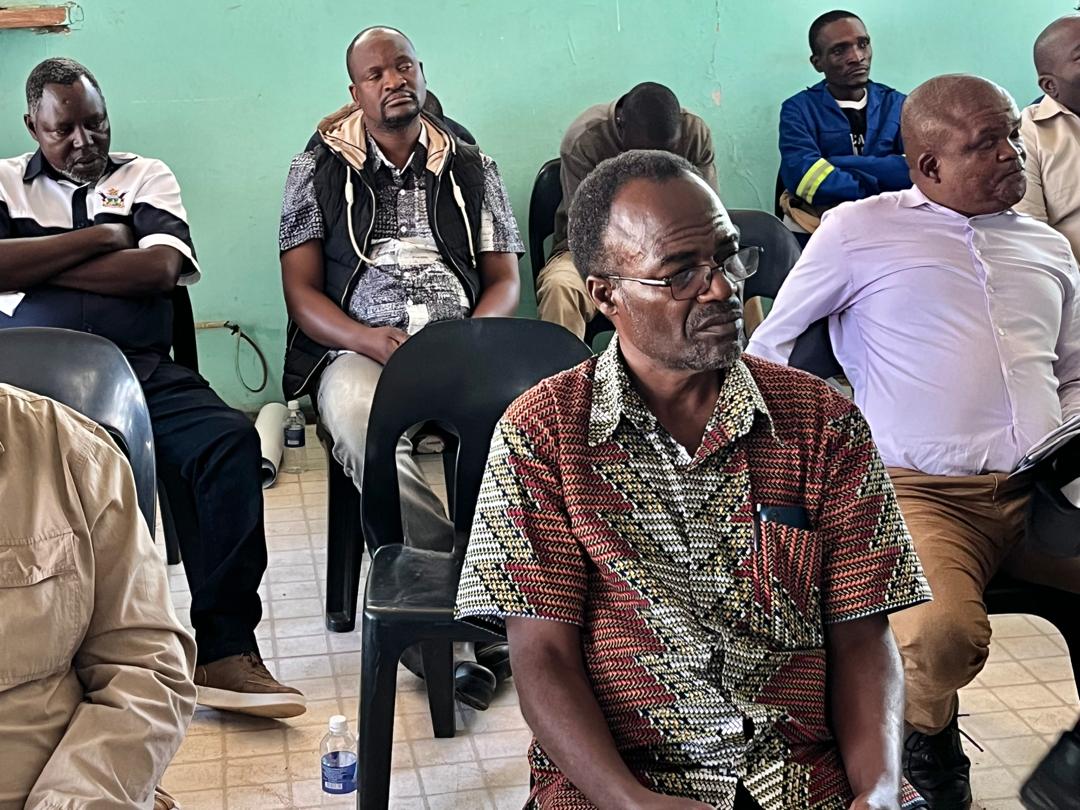
Against this backdrop, farmers, miners and development partners gathered last Friday at Ncema Valley Country Club for the Farmers and Miners Indaba, held as part of the Umzingwane Agriculture and Trade Expo.
The event created a rare opportunity for people from two sectors that often operate separately to sit around the same table, discuss shared challenges and explore practical solutions that can benefit everyone.
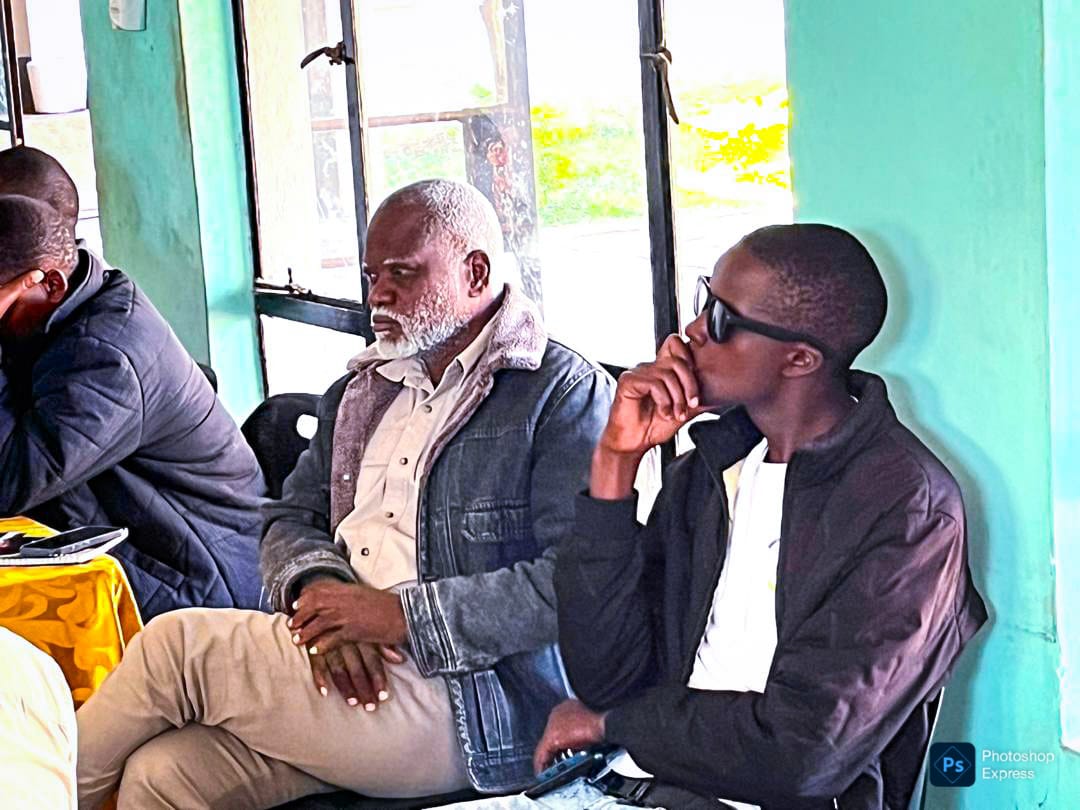
The indaba brought together small-scale and large-scale miners, farmers, policymakers, agricultural experts, Agritex extension officers and development partners, all united by a common goal: finding ways to increase productivity while protecting the natural resources on which communities depend.
Umzingwane District Agricultural Business Advisory Officer Mr Bhekimpilo Ncube said the discussions were necessary because agriculture and mining are both pillars of the district’s economy.
However, he warned that unless the two sectors learn to work together, everyone will suffer.
“The purpose of this indaba is to bring farmers and miners together so that we can discuss issues affecting both sectors and find ways of working together, because if we do not manage our relationship, then land degradation and conflict will affect productivity for everyone,” he said.
Throughout the day, participants examined a wide range of issues affecting rural communities. These included livestock production, dry-season feeding, commercial farming, environmental protection, land tenure, agricultural extension services and the security of livestock and property.
One of the strongest messages to emerge from the gathering was the need for farmers to stop viewing livestock simply as a store of wealth and instead run livestock enterprises as fully-fledged businesses.
Mr Ncube challenged farmers to adopt a commercial mindset by investing in improved breeds, keeping accurate production records and understanding the demands of the market.
He said successful livestock production requires planning, budgeting and making decisions based on profit rather than tradition alone.
“We want our farmers to move beyond simply keeping livestock for subsistence; they need to know the cost of producing an animal, improve their breeds, keep proper records, and understand their markets so that livestock production becomes a profitable business,” he said.
Farmers were encouraged to view every animal as a business asset whose performance can be measured and improved.
Participants heard that profitability depends on knowing production costs, selecting animals with desirable traits and selling at the right time instead of being forced to dispose of livestock during drought periods when prices are low.
The issue of drought preparedness also featured prominently.
Matabeleland South is no stranger to recurring dry spells, and livestock losses during drought years continue to undermine household incomes and food security.
Agricultural experts advised farmers to prepare well in advance by producing and storing fodder, improving pastures, making hay and silage and using crop residues more effectively.
Supplementary feeding programmes were also highlighted as an important tool for maintaining livestock condition when grazing becomes scarce.
Mr Ncube said communities could no longer afford to depend entirely on natural grazing and seasonal rainfall.
Instead, farmers must invest in water infrastructure and fodder reserves if they are to protect their herds from future droughts.
Another key theme of the indaba was the importance of agricultural extension services.
Participants were encouraged to make full use of Agritex officers, who provide training, technical advice and support in areas such as climate-smart agriculture, business management and market access.
According to Mr Ncube, farming is changing rapidly, and producers need access to up-to-date information if they are to remain competitive.
“Extension services remain important because farmers need continuous technical support; we want to see farmers adopting technologies that improve productivity, becoming better organised and taking advantage of opportunities that can help them access markets,” he said.
The discussions also highlighted the significance of secure land tenure.
Participants agreed that farmers are more willing to invest in infrastructure such as boreholes, fencing, dip tanks and improved pastures when they are confident that they will continue to benefit from those investments in the future.
Speakers stressed that agricultural growth is closely linked to security and certainty, both of which encourage long-term planning and investment.
For many attendees, however, the most important conversations centred on the relationship between agriculture and mining.
Across the district, farmers raised concerns about environmental degradation linked to mining activities. Issues such as siltation of dams, destruction of grazing land, damage to roads and water infrastructure, and increasing competition for already scarce water resources emerged repeatedly during discussions.
Many participants said better communication between miners and farmers was urgently needed.
There were also calls for miners to comply fully with environmental regulations and to rehabilitate mined land promptly once operations have ended.
The consensus was that problems are easier to solve when addressed early rather than after relationships have broken down.
Mr Ncube said constructive dialogue must become a permanent feature of interactions between the two sectors.
“Where there are challenges between farmers and miners, there is a need for continuous engagement rather than waiting for conflicts to escalate, because both sectors need each other and there are opportunities where they can complement each other if they work together responsibly,” he said.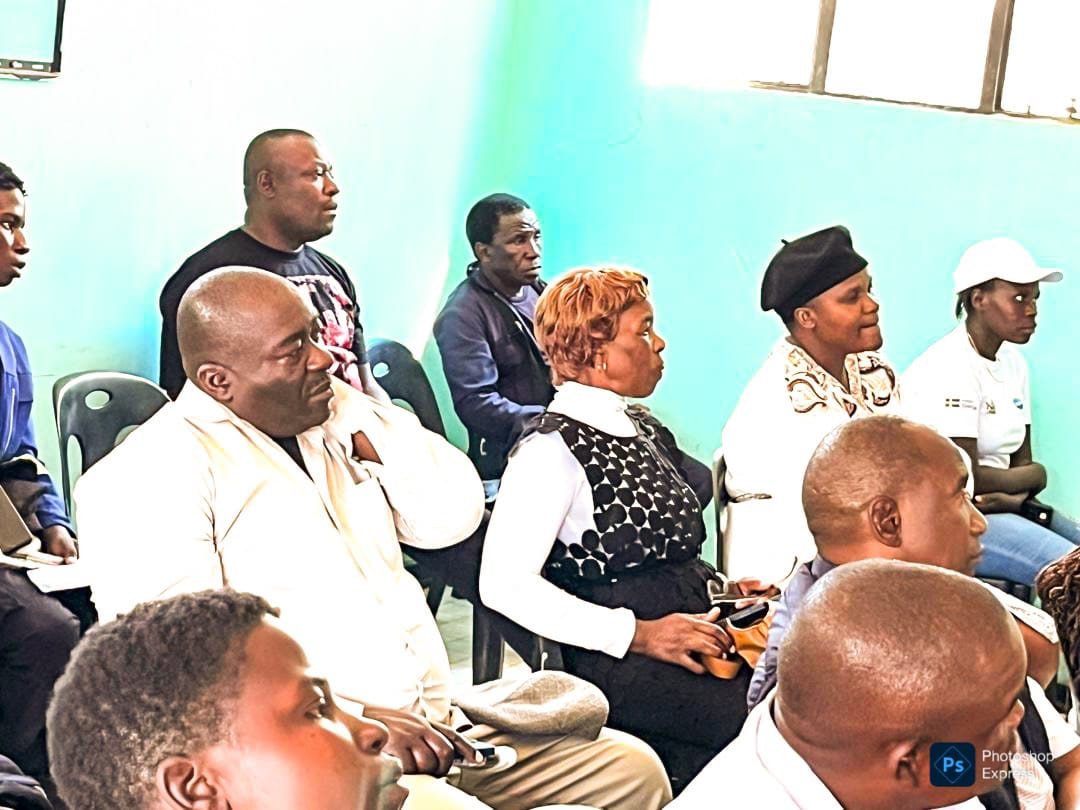
Despite the challenges, many participants expressed optimism that closer cooperation could unlock significant opportunities.
Miners and farmers share the same communities, use the same infrastructure and depend on many of the same natural resources. By working together, speakers noted, both sectors have the potential to contribute meaningfully to local economic development.
The indaba also turned its attention to livestock and property security.
Stock theft remains a major concern in many rural areas and continues to cost farmers thousands of dollars every year.
Experts encouraged farmers to strengthen livestock identification through branding and ear tagging while improving security around kraals and homesteads.
Communities were also urged to work together through local structures to combat criminal activities that threaten rural livelihoods.
Participants noted that livestock security is not only about preventing losses but also about safeguarding investments and supporting commercial production.
Without secure herds, efforts to improve genetics, increase productivity and attract investment can quickly be undermined.
By the end of the programme, stakeholders agreed that the Farmers and Miners Indaba had provided an important platform for honest discussion, learning and collaboration.
Many described it as a practical and timely initiative that allows people from different sectors to share ideas, address misunderstandings and find common ground.
Mr Ncube said such platforms would continue playing a crucial role in supporting agricultural growth and rural development.
“The idea is to continue creating platforms where farmers can learn, share their experiences and engage with other stakeholders, because we believe that through such engagements we can improve productivity, strengthen resilience and contribute to the development of our communities,” he said.
Organisers have since confirmed that the Farmers and Miners Indaba will become an annual feature of the Umzingwane Agriculture and Trade Expo.
Future editions are expected to attract even broader participation, including agribusinesses, financial institutions, input suppliers and research organisations.
For a district where farming and mining are equally important, the message from this year’s gathering was clear: neither sector can thrive in isolation.
Sustainable development will depend on cooperation, responsible resource use and a shared commitment to protecting the land that supports both livelihoods and future generations.