admin
admin
Conrad Mupesa Mashonaland West Bureau
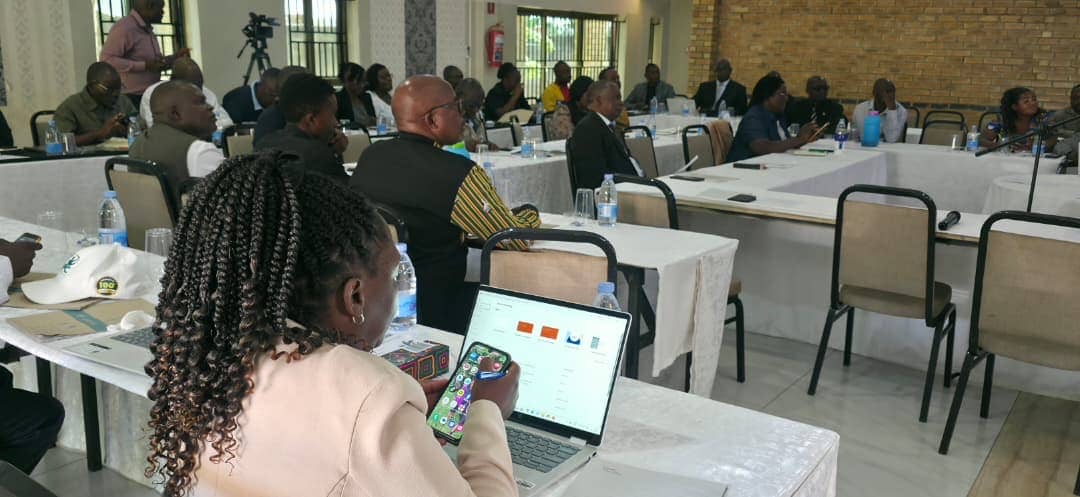
CHINHOYI is geared to host this year’s World Aids Day commemorations slated for December 1 with the National Aids Council (NAC) having launched the theme and official logo for the event last Friday in the provincial capital.
The 2021-2022 theme is “End Pandemics, End Inequalities, End AIDS” and the commemorations are scheduled to take place at Chinhoyi University of Technology (CUT) Hotel.
It is the second national commemoration to be held under the new normal.
The theme and logo were launched by Mashonaland West Minister of State for Provincial Affairs and Devolution, Mary Mliswa-Chikoka who expressed satisfaction in hosting the event and the need to upscale access to HIV diagnosis and treatment.
“We are greatly honoured to host the 2021 World Aids Day commemorations. This is an opportunity for our province to introspect on achievements and gaps in responding to HIV and AIDS.
“We should also address inequalities hindering access to health services. It calls for integrated efforts and we must leave no one behind in closing the gap. Key populations like sex workers, artisanal miners, cross border traders, fishermen, all should be taken on board as we commit to community-led interventions.”
Turning to ending new infections by 2030, Minister Mliswa-Chikoka said: “We need to increase efforts on treatment of HIV whilst working towards the elimination of new infections by the year 2030, and at the same time ensure enhanced commitment towards interventions to combat non-communicable diseases and pandemics such as Covid-19.”
NAC provincial manager, David Nyamurera said at least 143 000 were living with HIV/AIDS in the province of which 133 000 were on anti-retroviral therapy.
He challenged all players to help fight the prevalence of gender-based violence and early and child marriages spiralling new positive cases.
As a strategy, the province was also strategising on penetrating apostolic sects’ churches where prophets continue to dissuade members from taking their antiretroviral (ARV) treatment.
The strategy emphasises that 95 percent of people living with HIV know their status; have access to treatment and reduce the annual number of new HIV infections among adults to 200 000.



 Online Reporter