admin
admin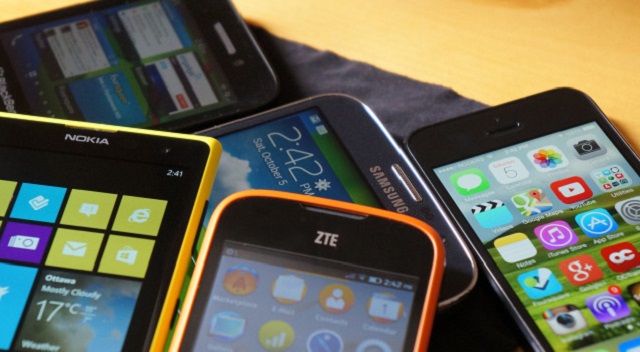
THE spread of cellphones to all corners of the world offers access to banking services for poor and rural areas, improving lives, the World Bank says.
Access to a bank account can especially help women, who are more likely to save and to spend on healthcare and education, World Bank economist Leora Klapper said. Governments can drive those improvements by shifting to digital payments, which more people will be able to access on cellphones.
“I passionately believe formal financial services are key to eradicating global poverty and especially improving … women’s economic empowerment,” Klapper said.
The share of adults with accounts is growing but there are disparities among regions and, more starkly, between women and men, she said.
In the latest update to its Global Findex database, the bank found 1,2-billion adults had set up bank accounts since 2011 and 515-million since 2014, bringing the share of adults with accounts to 69 percent in 2017.
However, while there had been “tremendous progress” in making access to financial services and banking more inclusive, the report finds women and the poor continue to be left behind in some countries.
The data show 72 percent of men worldwide have an account but just 65 percent of women, while in developing economies the gender gap is unchanged at nine percentage points.
The report “shows great progress for financial access — and also great opportunities for policy makers and the private sector to increase usage and to expand inclusion among women, farmers and the poor,” according to Queen Maxima of the Netherlands. Maxima is the UN secretary-general’s special advocate for inclusive finance for development.
The massive database, which compiles interviews of 150 000 adults in 144 countries, for the first time gathered information on cell phone access, showing that 1.1-billion “unbanked” adults have a cell phone.
Digital payments are safer, because workers do not have to carry cash, and they prevent “leakage” through corruption or other charges. Klapper cited the example of a woman whose mother-in-law can no longer confiscate her wages now that they are paid digitally. —AFP.


 Online Reporter