

 dyton mupawaenda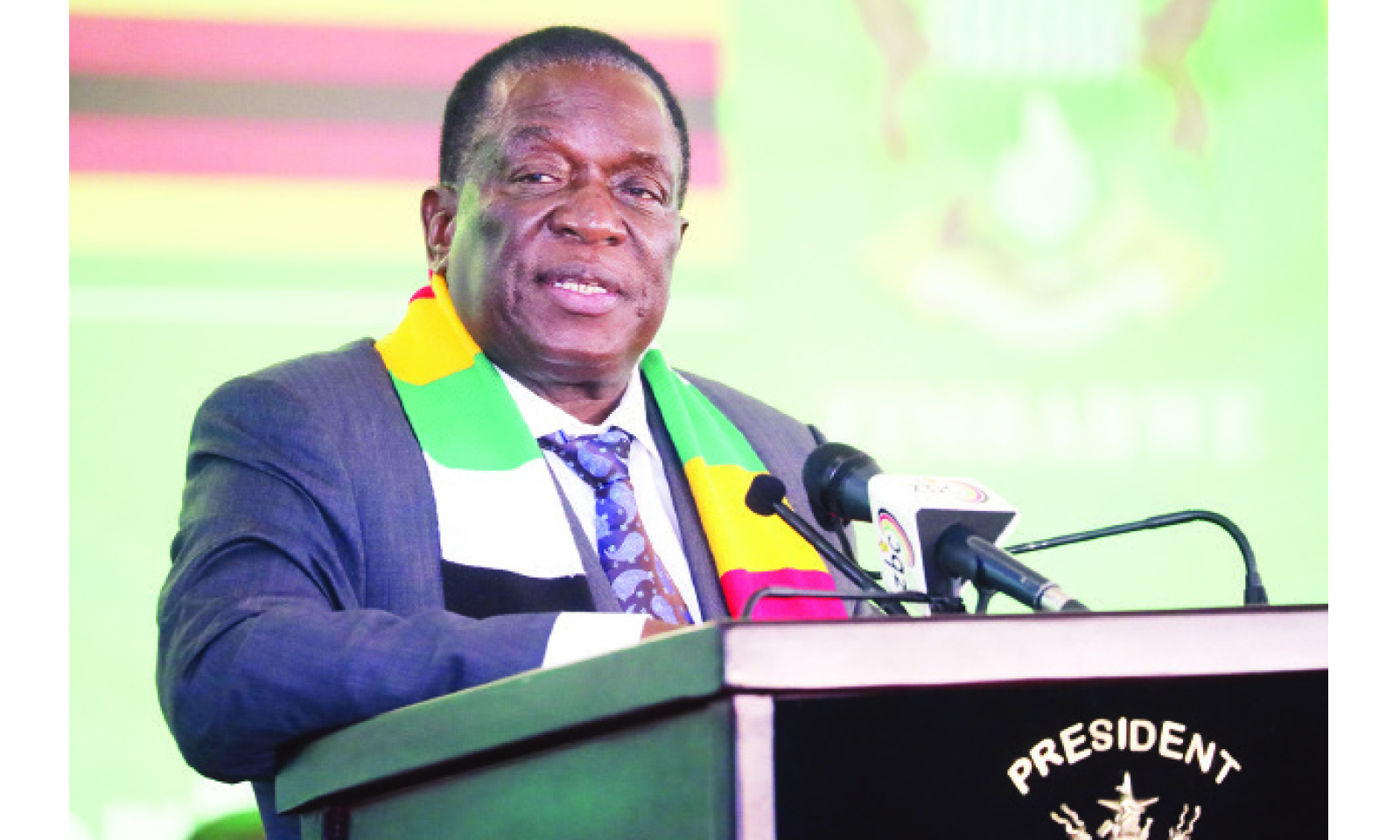
Michael Tome-Business Reporter
THE World Bank says Zimbabwe’s mining, agribusiness and tourism sectors remain largely untapped, urging the private sector to take advantage of the opportunities to drive economic growth.
The Second Republic, led by President Mnangagwa, is championing economic diplomacy under the “Zimbabwe is open for business” mantra and anchor foreign policy thrust, friend to all and enemy to none. It has also implemented ease of doing business reforms to encourage private sector investment.
The World Bank said Zimbabwe had a better comparative advantage in the identified sectors than other regional economies.
This is in light of emerging global trends and limitless opportunities for value addition.
World Bank senior country economist for Zimbabwe Mr Victor Steenbergen said this last week while delivering a presentation entitled, “Mobilising the Private Sector in Support of Economic Transformation,” at a Confederation of Zimbabwe Industries (CZI) Business and Economic Outlook Symposium for 2025.
He said Zimbabwe’s agriculture and agribusiness sectors played a vital role in the country’s economy, providing livelihoods for around 70 percent of the population and accounting for approximately 40 percent of the nation’s export earnings.
Mr Steenbergen pointed out that horticulture, in particular, offered relatively higher profit margins and significant opportunities for value addition, particularly in the food and beverage sectors.
The sector also has significant connections with the manufacturing sector, which creates a valuable multiplier effect, driving growth in production and employment opportunities.
He highlighted opportunities in the mining sector, noting that it provides a range of highly sought-after global commodities, including gold and Platinum Group Metals (PGMs).
Mr Steenbergen cited the growing demand for energy transition minerals, notably lithium, nickel, copper and platinum, saying Zimbabwe had immense platinum and lithium reserves that have not been fully exploited.
Lithium, a key mineral in the production of electric vehicle batteries and many modern electrical gadgets, is one of the most sought-after minerals, and Zimbabwe has the largest lithium reserves in Africa.
The country’s lithium deposits are primarily found in petalite, lepidolite, and spodumene forms, making it an attractive area for investors.
Tourism is another strategic economic sector with significant potential to propel Zimbabwe’s economy, given the country’s storied history and rich cultural and natural endowments.
Zimbabwe, which has already achieved its target of a US$5 billion tourism economy, is actively pursuing initiatives to drive short-term to medium-term growth via its vibrant tourism.
Mr Steenbergen said Victoria Falls, in particular, the country’s premier tourist destination, was thriving, and its success could be replicated in other world-class attractions to drive growth in Zimbabwe’s tourism sector.
Zimbabwe’s unique geographic location also presents opportunities for network tourism, which can be leveraged to attract more visitors.
He said Zimbabwe could capitalise on its natural beauty and cultural heritage to create a more diverse and resilient tourism industry.
“We looked at global demand prospects and areas that Zimbabwe has a comparative advantage in; looking at exports in particular, and how that compares to the global average share of exports in that sector.
“If that is higher, there might be a basis for competitiveness.
“Agriculture and agribusiness provide about 40 percent of national earnings, so it is very critical.
“A growing demand for energy transition minerals, notably lithium, nickel, copper and platinum suggests that this is an opportunity for investment in the mining industry, and Zimbabwe has large platinum and lithium reserves,” he said.
Despite the vast opportunities, he noted that Zimbabwe faces significant hurdles, primarily in the form of legal and regulatory challenges, which can hinder the country’s ability to fully capitalise on its potential.
He also talked about challenges regarding macro-economic stability, particularly the limited access to funding for the private sector and the high cost of doing business in the country.
These are the issues which the Government is working at redressing.


 Online Reporter